Aimco (AIV): Asset-light monetization through leasing, development and selective disposals
Aimco operates as a U.S.-focused multifamily REIT that generates cash through leasing, targeted redevelopment, and the timed sale of stabilized and non-core assets. The company monetizes both recurring rent streams from predominantly short-term residential leases and one-time realized gains from portfolio dispositions and development exits — a hybrid model that emphasizes asset turnover as much as operating yield. For a deeper look at counterparty dynamics and transaction counterparties, visit https://nullexposure.com/.
Quick take for investors
- Core revenue driver: short-term residential leases with ancillary variable reimbursements (utilities, fees); commercial leases contribute a smaller, longer-term revenue slice.
- Capital strategy: monetization through asset sales and redevelopment projects; recent disposition activity is central to cash flow and strategic reshaping.
- Risk profile: exposure to rent collections and occupancy cycles, geographic concentration in targeted U.S. markets, and transactional reliance on institutional buyers.
- Valuation context: modest profitability (profit margin ~4%) and low EPS (0.19 TTM) amplify sensitivity to execution on asset sales and leasing performance.
How Aimco contracts and where value is concentrated
Aimco’s operating model blends transactional and recurring cash flows. The company’s residential leasing base is short-term in nature (most apartment leases are 24 months or less), which produces frequent repricing opportunities but also volatility in occupancy and collections. Commercial leases are longer dated (5–15 years) and represent a meaningful but smaller share of revenue, providing stable cash flow when occupied. Variable payments (utility reimbursements and service-related charges) are present but not the primary revenue driver.
From an exposure and counterparty perspective:
- Individual residents are the primary counterparty class for operating cash flow, putting collections and eviction/renewal processes at the heart of day-to-day risk.
- Geographic focus is domestic U.S., concentrated in Southeast Florida, Washington D.C. metro, and Colorado Front Range, with a diversified set of eight major markets across core and value-add strategies.
- Relationship posture is transactional and asset-centric: Aimco is regularly a seller of stabilized portfolios and occasionally a buyer of specific development sites, indicating an active capital recycling strategy.
- Lifecycle mix: the portfolio contains a mix of mature, stabilized communities, assets in lease-up (ramping), and development projects under construction — a structural setup that demands both operational discipline and capital-markets access.
Relationship map: counterparties and transactions
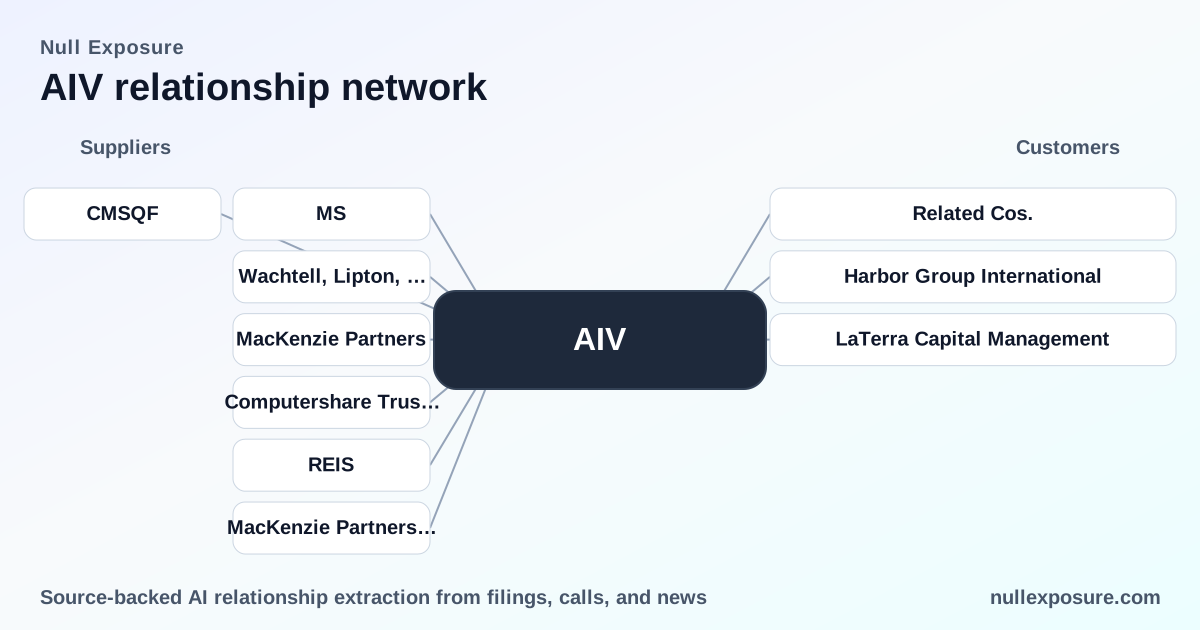
Related Cos.
Related Cos. agreed to acquire 7,837 affordable housing units from Aimco, a significant prior disposition that reflects Aimco’s use of third-party buyers to execute portfolio rebalancing. This was reported in HousingFinance during FY2018.
Harbor Group International (proxy disclosure)
A non‑binding proposal from Harbor Group International was identified as the most attractive offer for Aimco’s five suburban New England stabilized assets in the merger proxy disclosure, indicating strategic interest from private capital in Aimco’s suburban holdings (merger proxy filing, FY2026; StockTitan).
Harbor Group International, LLC (definitive sale)
Aimco executed a definitive agreement to sell five suburban Boston-area properties totaling 2,719 units for $740 million to an affiliate of Harbor Group International, demonstrating conversion of strategic interest into a large-scale disposition (YieldPro, August 2025).
Harbor Group International (press synthesis)
Multifamily Dive reported that in August Aimco sold the same five suburban Boston properties (Massachusetts, New Hampshire, Rhode Island) totaling 2,719 units to an affiliate of Harbor Group International, reinforcing the transaction narrative and its timing (Multifamily Dive, August 2025).
Oak Row Equities
Aimco’s Brickell Assemblage — including The Yacht Club Apartments and an adjacent office building in Miami — was reported sold to Oak Row Equities for $520 million, with a targeted December 2025 close; the buyer was identified via local coverage cited by Multifamily Dive (Multifamily Dive / Bisnow reporting, FY2025).
LaTerra Capital Management, LLC
LaTerra Capital Management completed the acquisition of a seven-property portfolio of 1,495 units in Chicago from Aimco, part of the company’s broader disposition program to monetize non-core or value-ready assets (MarketScreener, March 26, FY2026; StockTitan filing summarizing the sale).
Respark Residential, LLC
Respark Residential partnered with LaTerra to complete the Chicago portfolio purchase, underscoring the syndication of buyers for mid-market multifamily lots and Aimco’s reliance on institutional and regional platform buyers to execute portfolio sales (MarketScreener, March 26, FY2026).
LaTerra Capital Management (SEC filing summary)
A separate SEC/filing summary entry notes Aimco agreed to sell the seven-property Chicago portfolio to LaTerra for a gross price of $455 million, providing a corroborating figure for the transaction that feeds into Aimco’s FY2026 disposition proceeds (StockTitan SEC summary, FY2026).
What the transactions imply for operations and capital
These counterparties and transactions underscore Aimco’s strategy of monetizing stabilized suburban and urban assets to fund redevelopment and reduce portfolio complexity. Large institutional buyers — Harbor Group, LaTerra, Respark, Oak Row, and Related Cos. — are the primary outlets for disposals, which creates two structural features:
- Liquidity through disposition proceeds is a deliberate lever for the company; successful execution reduces balance-sheet concentration but increases dependence on timing and pricing in the sales market.
- Counterparty concentration toward institutional buyers reduces execution risk related to deal completion but introduces market-price risk at the point of sale; disposal economics are therefore a gating factor for reported EBITDA and cash generation.
Investment implications and watchlist
- Execution on announced sales is paramount. Transaction close and proceeds timing will drive near‑term cash flow and any special-return programs.
- Operational exposure remains resident-driven. Short-term leases give management pricing latitude but raise sensitivity to demand softness and collection risk. Monitor occupancy, same-store rent growth, and delinquency trends.
- Geographic concentration is a double-edged sword: focused markets allow operating scale, but regional downturns would transmit quickly to collections and valuation.
- Watch institutional buyer appetite. Continued interest from Harbor Group, LaTerra, and others determines the throughput of Aimco’s disposition strategy.
For a structured, investor-focused feed of counterparties and evolving transaction coverage, explore more at https://nullexposure.com/.
Bottom line
Aimco is actively reshaping its portfolio via large, institutional sales while retaining a core of short-term residential cash flow and longer-term commercial leases. Valuation and near-term performance will track the pace and economics of dispositions and the company’s ability to sustain rent collections through lease cycles. Investors should prioritize verification of close dates and proceeds recognition in the company’s quarterly filings and public transaction announcements.