BMTX-WS: A concise read on customer traction — First Carolina Bank and what it signals for investors
BM Technologies operates a white‑label digital banking and banking‑as‑a‑service (BaaS) platform that sells integration, licensing and ongoing platform services to banks and credit unions; the company monetizes through a combination of implementation fees, recurring platform/BaaS charges and service revenue tied to hosted fintech services. For investors evaluating BMTX‑WS, the most material near‑term customer evidence available is a named relationship with First Carolina Bank, which confirms the platform’s deployability into community bank stacks and underscores both revenue potential and operational delivery requirements.
For a deeper look and prioritized diligence materials, visit https://nullexposure.com/.
Why a single bank relationship matters for a platform play
A named integration with a commercial bank is not cosmetic: it demonstrates live product integration, compliance alignment and channel credibility. Community and regional banks are the most natural early adopters for white‑label/BaaS vendors because they require wrapped digital offerings without building internal stacks. That dynamic shapes both revenue growth path and risk profile: predictable recurring revenue if the bank converts customers onto the platform, but client concentration and implementation complexity become gating factors until the customer base broadens.
What the record shows: First Carolina Bank
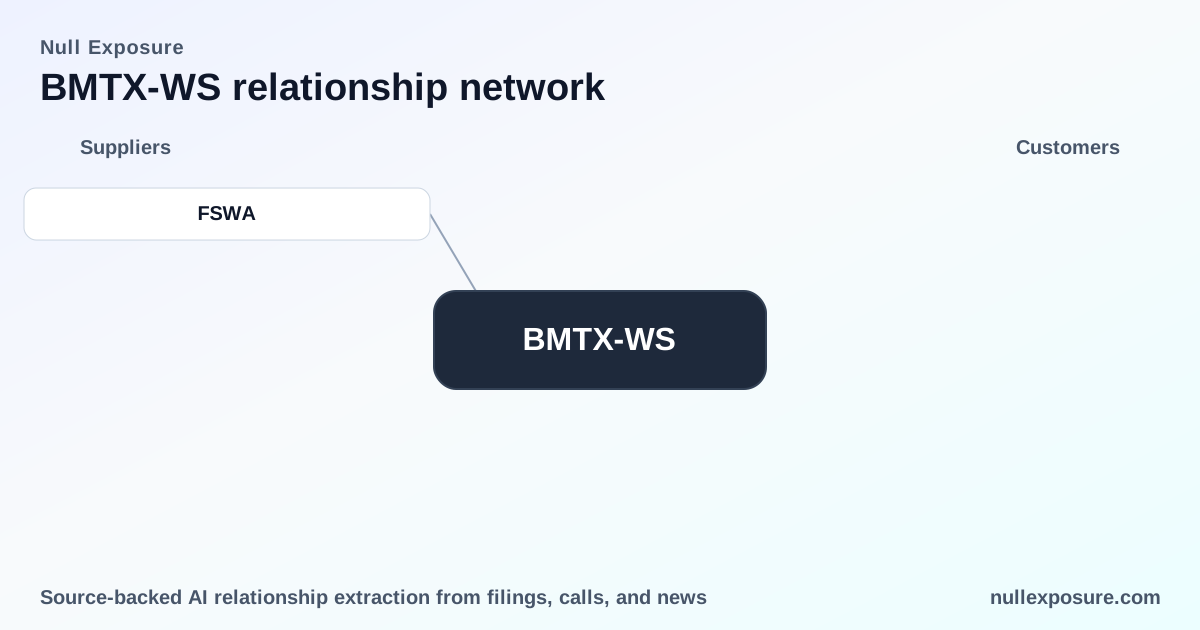
First Carolina Bank is explicitly named as a prospective integration partner for BM Technologies’ white‑label and BaaS tools. The public note indicates that BM Technologies’ digital banking tools can be seamlessly integrated into First Carolina’s offerings, which speaks to the product’s readiness for bank deployment and the company’s commercial progress. This relationship was reported in a TradingCalendar post published in May 2026 covering BM Technologies’ strategic developments and merger activity.
- According to a TradingCalendar post in May 2026, BM Technologies’ white‑label and banking‑as‑a‑service solutions are positioned to integrate into First Carolina Bank’s customer-facing offerings, signaling a commercial engagement with a community bank client.
Operating model and business‑model constraints — what to expect
Treat these as company‑level signals about how BM Technologies operates and what investors should watch:
-
Contracting posture — enterprise integration, not drop‑in SaaS. BM Technologies sells into regulated institutions, which implies multi‑quarter sales cycles, legal/compliance negotiations and multi‑phase technical onboarding. Expect contracts that include implementation milestones and service-level commitments rather than purely month‑to‑month subscriptions.
-
Customer concentration risk — early stage, high sensitivity. Named relationships like First Carolina Bank are valuable but indicate that revenue concentration is an immediate risk until a diversified roster of banks and credit unions is established.
-
Operational criticality for clients — moderate to high. When a bank adopts white‑label/BaaS infrastructure, the vendor assumes responsibility for customer experience, uptime and regulatory alignment; this makes each contract more than a revenue line — it becomes operationally critical to the client.
-
Maturity signal — commercially deployable product. The ability to integrate into a bank’s offerings implies a production‑grade platform capable of interfacing with core systems and adhering to banking controls; that is a positive sign for scalability if the company can standardize deployments.
-
Revenue composition expectations — mixed recurring and services. Given the nature of BaaS and white‑label agreements, expect an initial mix of implementation and professional services followed by recurring platform fees and potential revenue‑share arrangements tied to deposits or transaction volumes.
Commercial and execution risks investors should weigh
-
Integration complexity translates to elongated cash conversion cycles. Implementation fees can be substantial, but the timing of recurring revenue depends on conversion and scale across multiple customers.
-
Concentration and referenceability. Early named customers are critical for references; failure to leverage initial wins into a pipeline creates valuation drag.
-
Regulatory and vendor controls. Serving banks increases compliance exposure; breaches or service outages would carry outsized reputational and contractual risk.
-
Competitive pressure from entrenched BaaS incumbents. The space attracts both tech‑native players and incumbent core vendors, so differentiation and pricing discipline are essential.
How this customer detail impacts valuation and diligence priorities
Investors evaluating BMTX‑WS should treat the First Carolina Bank mention as evidence of commercial viability, but not proof of scale. Valuation upside depends on the company’s ability to:
- Convert pilot or initial integrations into multi‑year contracts with recurring revenue;
- Standardize deployments to reduce per‑customer implementation cost and accelerate customer on‑boarding;
- Expand the customer base beyond single‑name references to mitigate concentration risk.
Diligence should focus on contract terms (length, revenue splits, termination clauses), deployment cadence, and the existence of additional non‑public customer commitments.
For additional intelligence and primary‑source documents, see available analysis and filings at https://nullexposure.com/.
Bottom line — an actionable read for investors
The First Carolina Bank engagement is a positive commercial signal: it demonstrates BM Technologies’ ability to integrate its white‑label and BaaS offering into a bank’s product stack. That validates the product roadmap and supports a monetization model centered on recurring platform fees plus professional services. However, the path from named client to diversified recurring revenue requires standardizing integrations, shortening sales cycles, and adding multiple referenceable customers.
If you are allocating research bandwidth, prioritize contract terms, deployment timelines, and evidence of expansion beyond initial integrations. For access to curated diligence resources and to track additional customer disclosures as they emerge, visit https://nullexposure.com/.