BT Brands (BTBD): Chesterfield sale sharpens a distributor-to-exit thesis
Bt Brands Inc. operates and monetizes as a consumer-facing restaurant owner-operator and franchiser: the company sells prepared food in drive‑thru and take‑out formats, generates cash and card transaction revenue at retail locations, and holds stakes in affiliated restaurant concepts. Recent asset dispositions through its 40.7% affiliate, Bagger Dave’s, accelerate a strategic pivot away from owned restaurant operations and toward unlocking shareholder value from real estate and minority holdings.
For an in‑depth investor view of how these customer/transaction relationships propagate through the business, see more at https://nullexposure.com/.
What happened in Chesterfield — the immediate facts investors need
Bagger Dave’s completed the sale of its Chesterfield, Michigan location in early January 2026; the buyer is an affiliate of Michigan-based Sidecar Slider Bar, which operates multiple locations in the state and plans to convert the site. The transaction was reported across multiple outlets and described as approximately $400,000 in cash and notes in coverage that ties directly to BT Brands’ strategy to exit the restaurant business and realize value from minority affiliates. According to the reporting, this sale is a clear example of monetizing owned/affiliated operating assets rather than scaling company‑owned retail footprints.
How the relationships in the record map to investor concerns
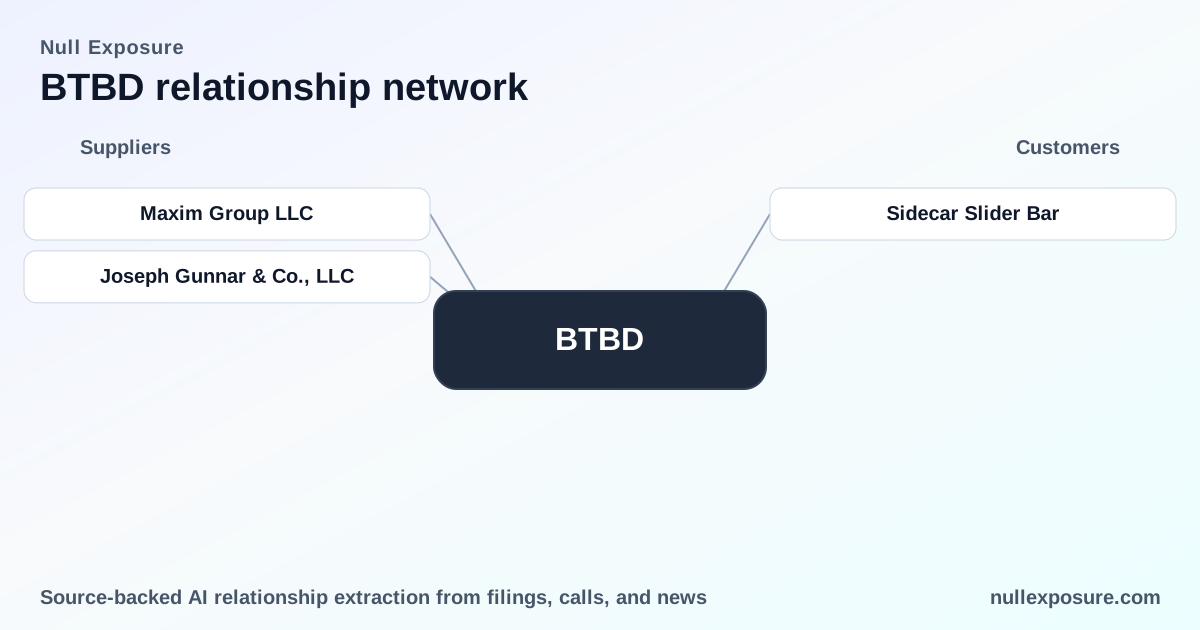
Below are the four relationship records captured for Sidecar Slider Bar. Each entry is reported separately in the media feed; all records refer to the same Chesterfield transaction but are distinct source captures and therefore recorded individually.
Sidecar Slider Bar — FinancialContent / BizWire feed (first capture)
Bagger Dave’s Chesterfield location was sold to an affiliate of Sidecar Slider Bar, which currently operates eight Michigan locations and intends to open at the acquired site (reported in a BizWire press release syndicated on FinancialContent, Jan 6, 2026). (Source: https://markets.financialcontent.com/lightport.lightport3/article/bizwire-2026-1-6-bagger-daves-completes-sale-of-chesterfield-location)
Sidecar Slider Bar — Intellectia.ai (ETF/news capture)
Reporting reiterates that BT Brands’ 40.7%-owned affiliate, Bagger Dave’s, sold the Chesterfield property for approximately $400,000 in cash and notes, and confirms the buyer is affiliated with Sidecar Slider Bar, which plans to convert the location to its brand (Intellectia.ai coverage, March 2026). (Source: https://intellectia.ai/news/etf/bt-brands-stock-soars-following-aero-velocity-merger-boosting-drone-prospects)
Sidecar Slider Bar — Franklin Credit / BizWire syndication (second capture)
A second syndication of the BizWire release on Franklin Credit again states the buyer is an affiliate of Sidecar Slider Bar and that the buyer plans to open a Sidecar Slider Bar at the Chesterfield site (syndicated, Jan 6, 2026). (Source: https://markets.financialcontent.com/franklincredit/article/bizwire-2026-1-6-bagger-daves-completes-sale-of-chesterfield-location)
Sidecar Slider Bar — Markets FinancialContent (stocks section capture)
A third syndicated capture of the same BizWire announcement in Markets FinancialContent reaffirms the buyer identity as Sidecar Slider Bar’s affiliate and the intent to operate the location as a Sidecar Slider Bar (Jan 6, 2026 syndication). (Source: https://markets.financialcontent.com/stocks/article/bizwire-2026-1-6-bagger-daves-completes-sale-of-chesterfield-location)
What these relationship records imply for BT Brands’ operating profile
-
Contracting posture: The public record signals a divestiture posture — BT Brands (via its affiliate) is executing asset sales rather than signing long‑term operating contracts or opening new company-owned locations. The sale to a local operator like Sidecar Slider Bar indicates transactional, cash‑settlement dispositions rather than strategic JV expansions.
-
Concentration and geography: Company filings indicate BT Brands operates restaurants across the eastern two‑thirds of the United States, a geographically concentrated retail footprint that amplifies local market dynamics (company excerpt on geography). Regional market outcomes — like the Michigan transaction — will therefore disproportionately affect realized value from property sales and affiliate exits.
-
Criticality: Revenues are principally from direct retail food sales (cash and card), positioning the company as a point‑of‑sale seller rather than a networked or platform operator; this reduces platform stickiness but increases cash‑flow responsiveness to location closures or sales (company excerpt on revenue mix).
-
Maturity and segment: The company competes in the drive‑thru/take‑out service segment (Burger Time reference), a mature and highly competitive category where scale, franchise economics, and location optimization determine margins. Mature retail economics increase the rationale for monetizing real estate and minority holdings rather than continuing to operate underperforming outlets.
Investment implications — drivers and risks
-
Value crystallization versus operating upside. The Chesterfield sale is a tangible example of value crystallization through asset sale; investors should credit realized cash from disposals when modeling near‑term liquidity and adjust revenue forecasts downward for a continuing exit strategy from company‑operated restaurants.
-
Minority exposure and franchise dynamics. BT Brands holds a material minority stake in Bagger Dave’s (40.7%, per coverage), which creates asymmetric exposure: BT Brands benefits from affiliate disposals without retaining full operating upside or liabilities. That structure accelerates cash inflows from sales while capping future upside from successful brand rollouts.
-
Concentration and insider control. High insider ownership (35.3%) and low institutional ownership (4.1%) signal that strategic decisions — including more asset sales or sponsor‑led restructurings — will be guided by insiders, not broad institutional pressure; investors should price in potential governance and liquidity implications.
-
Revenue and margin trends. The company’s latest metrics show negative operating margins and a small absolute EBITDA; combined with quarterly revenue declines, this supports a defensive capital allocation strategy focused on asset divestiture rather than capital-intensive expansion.
Bottom line and recommended next steps
BT Brands is executing a deliberate unwind of company‑operated restaurant exposure and extracting value through affiliate asset sales; the Chesterfield transaction to a Sidecar Slider Bar affiliate is emblematic of that strategy. For analysts modeling BTBD, treat future operating revenues conservatively, incorporate potential one‑off asset sale proceeds, and factor in minority equity income from affiliates rather than full consolidation of operating upside.
If you want systematic coverage of BT Brands’ evolving relationship map and transaction flow, explore our work at https://nullexposure.com/.
For active investors, prioritize monitoring subsequent affiliate sales announcements, quarter‑end disclosures about realized proceeds, and any new merchandising or licensing contracts that would shift the company toward recurring revenue.