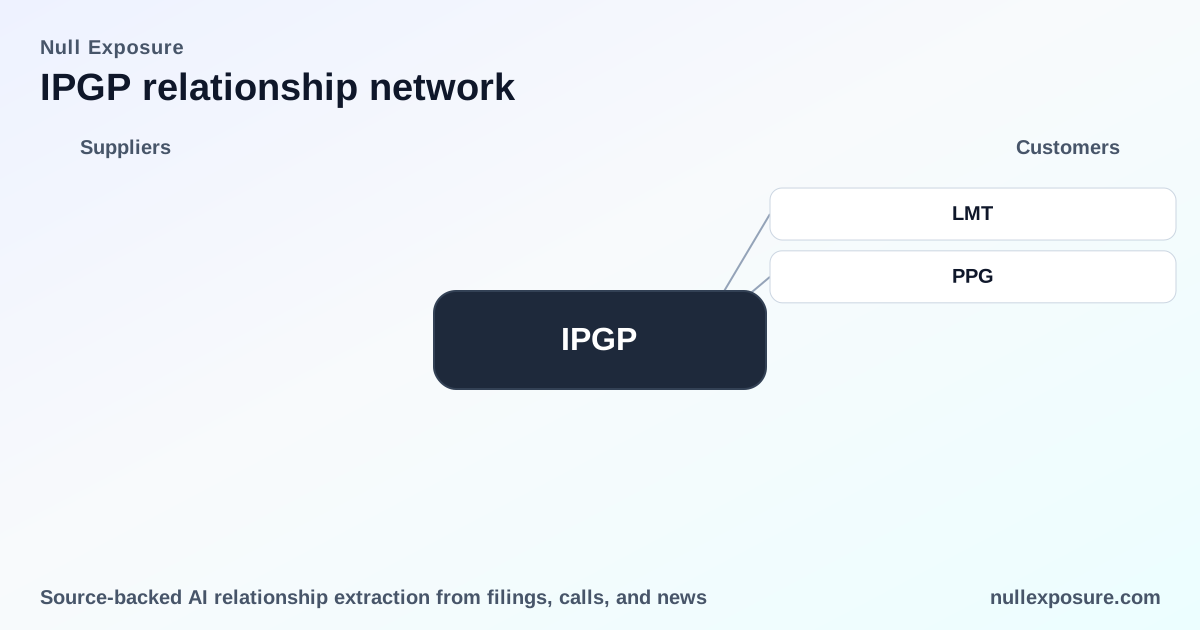
IPG Photonics (IPGP): Customer Map, Contracts and the Defense Inflection
IPG Photonics manufactures and sells high‑performance fiber lasers, amplifiers and laser systems to OEMs, system integrators and end users, monetizing primarily through hardware and systems sales with a mix of point‑in‑time transactions and a smaller set of long‑term, over‑time system contracts. Revenue is driven by core hardware sales plus higher‑value customized systems (via Genesis Systems Group) that are recognized over time, while expanding into defense and industrial process applications that validate product performance and command premium pricing. For further intelligence on customer exposures and coverage, visit https://nullexposure.com/.
How IPG’s contracting posture shapes revenue quality
IPG’s commercial model combines three distinct contracting behaviors that investors must reconcile when forecasting margins and cash flow.
- Spot, point‑in‑time sales dominate, particularly for standalone lasers and packaged diodes where revenue is recognized on shipment or delivery. This drives revenue volatility tied to industrial capex cycles.
- Framework agreements exist but are non‑binding price/volume indications, creating a pipeline signal without firm purchase obligations; these frameworks support planning without guaranteeing booked revenue.
- Long‑term, customized systems are material for selected sales, sold through Genesis Systems Group; these contracts are recognized over time because the systems lack alternative use and IPG has enforceable rights to payment for progress. This introduces multi‑period revenue recognition and execution risk but also higher ASPs.
These dimensions produce a hybrid revenue profile: predictable pockets from multi‑period systems, cyclical spot sales, and visible but non‑binding framework demand.
Geography, concentration and commercial risk — what the filings say
IPG sells globally, but its revenue mix concentrates exposure in several clear ways that affect risk and upside.
- Asia, led by China, is the largest region; IPG disclosed China accounted for 25% of net sales in 2024, with Asia overall delivering a high‑teens to mid‑20s share of revenue historically. This is an operational lever and a geopolitical concentration risk.
- North America contributes roughly a quarter of revenue, with the U.S. the majority of that total.
- Europe and other EMEA markets are meaningful but secondary to Asia and NA.
- Customer concentration is material but not extreme: IPG’s five largest customers represented about 13% of sales in recent years, and one customer accounted for ~12% of net accounts receivable at year‑end 2024 — a credit concentration signal that investors should monitor.
These are company‑level facts drawn from IPG’s public disclosures (FY2024/FY2025 filings) and the company’s revenue‑by‑region tables.
Lockheed Martin — validation in defense, modest near‑term revenue
IPG received an order from Lockheed Martin for its CROSSBOW™ high‑energy laser counter‑UAS systems, representing commercial validation in directed‑energy defense platforms and an identifiable revenue stream in FY2026. According to IPG’s GlobeNewswire announcement (Feb 26, 2026) and subsequent market coverage, the Lockheed relationship supports defense sector credibility and product certification that opens follow‑on opportunities. (Sources: GlobeNewswire Feb 26, 2026; MarketScreener coverage, Mar 2026.)
PPG — industrial adoption of laser curing systems
PPG installed an IPG PhotoniCURE laser curing pilot finishing line at its Strongsville, Ohio powder manufacturing and technical facility, and added a laboratory system at the PPG Coatings Innovation Center, signaling commercial adoption of IPG’s PhotoniCURE process in industrial coatings. Optics.org and a TradingView/Zacks note documented the installations in early 2026, showing traction in industrial process applications beyond pure materials processing. (Sources: optics.org, TradingView/Zacks, Jan–Mar 2026.)
Why each relationship matters to investors
Lockheed Martin: strategic and reputational — defense partnerships accelerate validation cycles for CROSSBOW and can lift order multiples and gross margin on system sales; however, defense orders can be lumpy and may be subject to program timing and certification. (GlobeNewswire; MarketScreener.)
PPG: commercial scale pilot for industrial process applications — adoption by a major coatings manufacturer demonstrates product fit for automated curing and expands non‑defense TAM, providing recurring replacement and upgrade upsell potential. (optics.org; TradingView.)
Constraints that determine upside and risk
Treat these as company‑level operating signals, not tied to any single customer unless explicitly stated.
- Contract mix: Predominantly spot sales with a smaller but material stream of long‑term systems recognized over time (Genesis Systems), and widespread use of non‑binding framework agreements for pricing and volumes. This combination produces revenue cadence that is partly lumpy and partly backlogged.
- Geographic concentration: Significant exposure to China and APAC, with meaningful North American revenue—geopolitical and trade dynamics will affect growth and risk.
- Customer concentration and credit: Top‑5 customers represent ~13% of sales, and one receivable concentration line accounted for about 12% of net AR at year‑end 2024, introducing single‑counterparty credit risk.
- Product focus and maturity: IPG sells primarily hardware and systems (core product/hardware segment) and functions as both manufacturer and direct seller; this gives margin upside from scale but requires capital intensity and operational execution.
These constraints imply that forecasting should blend a hardware cyclical model with potential step‑function growth from systems and defense validation.
What to monitor next — practical investor checkpoints
- Track order cadence and disclosure of contract sizes for CROSSBOW and follow‑on defense programs; the Lockheed order is a proof point but program economics scale with repeatable awards.
- Watch bookings and backlog disclosure for Genesis Systems contracts to estimate multi‑period revenue conversion and margin profile.
- Monitor geographic revenue trends, especially China sales and any softening or re‑routing of demand into other regions.
- Keep an eye on receivables concentration and DSO for signs of credit stress with large customers.
For a concise customer‑exposure dashboard and ongoing updates, visit https://nullexposure.com/.
Actionable takeaways for investors
- Defense validation is a strategic positive: Lockheed Martin’s order elevates IPG’s addressable market in directed energy and increases the likelihood of higher‑margin, system‑level revenue.
- Industrial pilots can seed steady aftermarket: PPG’s PhotoniCURE installations point to repeatable industrial use cases beyond one‑off laser sales.
- Revenue predictability requires active modeling: blend spot sales volatility with identified long‑term systems and factor in China and top‑customer concentration when sizing risk.
IPG’s business is a mix of cyclical hardware sales and strategic systems wins; investors should value near‑term volatility against the potential for step changes in revenue and margins as systems and defense programs scale.