Life Time (LTH): Membership-first operator with event sponsorships that monetize attention and community
Life Time is a premium fitness and wellness operator that monetizes through a hybrid subscription membership model, ancillary services at resort-like centers, and a growing portfolio of branded athletic events and sponsorship partnerships. The company generates predictable recurring revenue from memberships while extracting incremental margin from events, sponsorships and digital offerings—an operating model that blends consumer stickiness with episodic sponsorship revenue.
For a concise map of Life Time’s sponsorship relationships and how they feed the broader model, visit https://nullexposure.com/.
How Life Time’s commercial model actually works
Life Time’s core economics are built on subscription revenue from individual members combined with attendance-driven, branded experiences. The business sells month-to-month and subscription-based memberships that create recurring cash flows; those memberships are fulfilled across a physical estate of centers plus a digital platform, and the brand monetizes its audience further by running large-scale athletic events and selling sponsorships for those events.
- Contracting posture: The company markets both month-to-month and subscription memberships—this structure produces high predictability but also exposes revenue to membership churn dynamics.
- Counterparty profile: Revenue is primarily sourced from individual members rather than corporate accounts, which drives scale and recurring cash but limits single-counterparty bargaining power.
- Geographic footprint: Operations are concentrated in North America (179 centers across 31 U.S. states and one Canadian province as of Dec 31, 2024), so macro consumer trends in the U.S. dominate revenue sensitivity.
- Role and segment: Life Time functions as a seller of services, delivering fitness, wellness and event experiences rather than physical products.
These characteristics create a business that is predictable but consumer-sensitive, with sponsorships and event partnerships serving as valuable margin enhancers and marketing channels.
Event partnerships and named relationships (what, where, source)
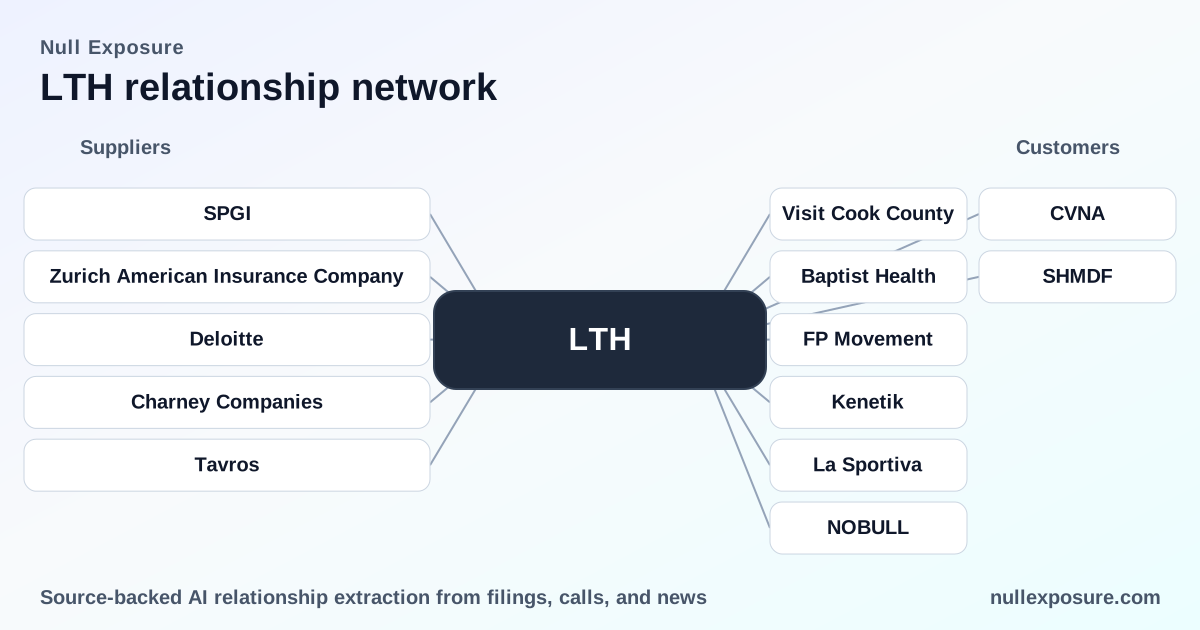
Below I list every customer/sponsorship relationship found in recent public reporting and news hits; each is a direct line item from Life Time’s 2026 events and sponsorship calendar and is summarized in plain English with the cited source.
Visit Cook County
Life Time’s Lutsen 99er on June 27, 2026 is presented by Visit Cook County, which positions the event for local tourism promotion and destination marketing. Source: SahmCapital’s Life Time 2026 athletic events calendar (Jan 17, 2026).
CVNA (Carvana)
Life Time’s LT Pro 48 Pickleball ball was named the Official Ball of the Carvana PPA Tour, reflecting a B2B sponsorship relationship tying Life Time’s proprietary ball brand to the tournament series. Source: PR Newswire notice cited on Finviz (2026).
La Sportiva
La Sportiva is the presenting sponsor of the Life Time Leadville Trail Marathon and Heavy Half on June 27, 2026, linking a specialty outdoor footwear brand to Life Time’s endurance event audience. Source: SahmCapital’s event calendar (Jan 17, 2026).
NOBULL
NOBULL is the presenting sponsor for the Life Time Turkey Trot Chicago on November 26, 2026, connecting Life Time’s mass-participation event platform with a performance apparel/footwear brand. Source: SahmCapital’s event calendar (Jan 17, 2026).
Carvana PPA Tour
Separate mention in the press shows Life Time’s LT Pro 48 Pickleball as the Official Ball of the Carvana PPA Tour—an endorsement of Life Time’s equipment and brand equity within professional pickleball. Source: PR Newswire notice cited on Finviz (2026).
Baptist Health
Baptist Health sponsors the Life Time 305 Half Marathon and 5K on March 1, 2026, reflecting healthcare-provider alignment with Life Time’s wellness positioning and community events. Source: SahmCapital’s event calendar (Jan 17, 2026).
FP Movement
FP Movement is listed as the presenting sponsor for the Life Time Miami Marathon and Half (Jan 24–25, 2026), indicating Life Time’s ability to attract partners targeting high-profile metropolitan events. Source: SahmCapital’s event calendar (Jan 17, 2026).
Kenetik
Kenetik presents the Life Time Silver Rush 50 MTB on July 12, 2026, showing Life Time’s reach into mountain-bike and endurance submarkets through sponsor-backed events. Source: SahmCapital’s event calendar (Jan 17, 2026).
Major League Pickleball
Life Time’s LT Pro 48 Pickleball was named the Official Ball of Major League Pickleball for the 2026 season, amplifying Life Time’s exposure in the professional pickleball circuit ahead of the season kickoff in Dallas. Source: PR Newswire via Yahoo Finance (May 2026).
SHMDF
SHMDF is cited as the presenting sponsor for Life Time UNBOUND Gravel (May 28–31, 2026), which ties Life Time to Shimano-associated promotional activity in gravel cycling. Source: SahmCapital’s event calendar (Jan 17, 2026).
Shimano
Shimano is listed as the presenting sponsor for Life Time UNBOUND Gravel on the same May 28–31, 2026 dates, underscoring a direct brand alignment between a leading cycling component supplier and Life Time’s gravel event. Source: SahmCapital’s event calendar (Jan 17, 2026).
What investors should take from these relationships
- Sponsorships monetize attention, not recurring revenue. Event sponsors (e.g., La Sportiva, NOBULL, Shimano) provide episodic revenue and marketing support that expands reach and improves event economics, but they do not replace the steadiness of membership subscriptions.
- Brand extension is a deliberate strategy. Life Time is packaging proprietary products (LT Pro 48 ball) and large events to create additional monetization levers and intellectual capital that raise barriers to competition in lifestyle events.
- Healthcare and tourism sponsors validate the value of audience demographics. Partners like Baptist Health and Visit Cook County indicate sponsors see Life Time audiences as attractive for healthcare outreach and destination marketing.
For a deeper view of Life Time’s customer relationships and coverage across events, explore the platform at https://nullexposure.com/.
Investment implications and risk checklist
- Upside: Strong recurring revenue from subscriptions, diversified event sponsorships that can scale margins, and high institutional ownership (~90%) suggest market confidence in growth execution.
- Key risks: Membership churn given month-to-month options, regional concentration in North America, and consumer-discretion sensitivity during economic downcycles.
- Operational signals: The company is a service seller operating predominantly in the consumer leisure segment with a mature physical footprint (179 centers) and a clear digital complement—this structure supports steady cash generation but requires active marketing and brand investment to sustain growth.
Bottom line
Life Time’s model combines predictable subscription cash flow with high-visibility, sponsor-funded events that enhance margins and brand reach. The 2026 calendar of named partners demonstrates the company’s commercial momentum in monetizing event audiences, while the subscription-first economics keep the operating base stable. Investors evaluating LTH should weigh the stability of recurring memberships against consumer-sentiment risk and assess how sponsorship growth translates into durable incremental margins.