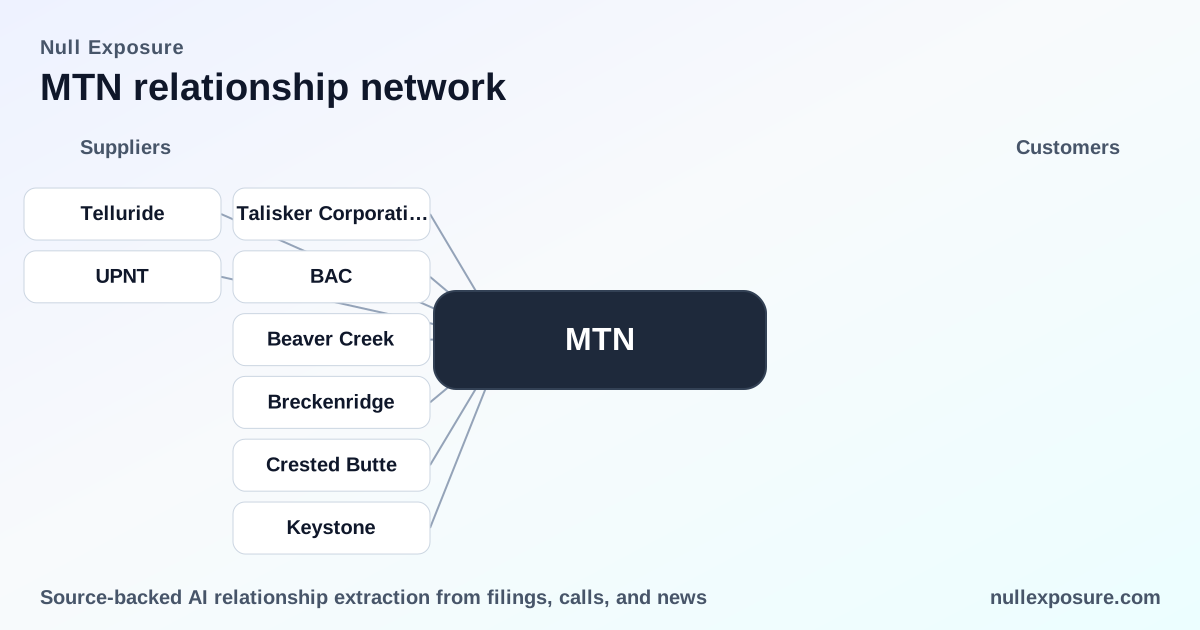
MTN customer relationships: what investors need to know about counterparties and commercial exposure
Vail Resorts (ticker MTN) runs destination mountain resorts, lodges and ancillary guest services and monetizes through prepaid pass products, lift ticket sales, lodging and a basket of on-site services. The company's revenue model is seasonal and skewed to North America, with pass subscriptions collected in advance and recognized over the ski season, while non-pass lift and ancillary revenues are usage-driven. For investors, tracking counterparties reveals two commercial themes: asset monetization and infrastructure partners in the connectivity/logistics space, plus the ongoing role of third‑party property owners where Vail operates resorts. Learn more about how we compile this coverage at https://nullexposure.com/.
Quick investor takeaways
- Core revenue exposure is consumer-facing and subscription-heavy: Epic Pass and related pass products generate a meaningful share of lift revenue and are recognized across the season.
- Counterparty mix is diverse: the collected records include telecommunications/infrastructure counterparties and a real‑estate owner that contracts Vail as manager.
- Commercial arrangements observed include sale‑and‑leaseback, managed network services and resort management agreements — each carries different operational and cash‑flow risk vectors.
- Geographic footprint is concentrated in North America but internationally diversified (Europe and Australia presence), so counterparties can be local operators or international infrastructure providers.
The operating model that drives counterparty risk
Vail Resorts is a consumer-facing seller and service provider where the Mountain segment (lift, pass and on-mountain services) generates the majority of revenue and is therefore material to company economics. Contract characteristics relevant to counterparty risk include:
- Subscription posture: Pass products are predominately sold in advance and recognized through the season, creating advance cash inflows and a contingent service obligation over the skiable days of the season.
- Usage elements: Non-pass lift revenues and many on-mountain purchases are usage-based and fluctuate with skier visits and weather.
- Counterparty concentration: The customer base is largely individual guests (Destination and Local segments), which reduces single‑counterparty credit risk but increases sensitivity to macro travel demand.
- Geography and seasonality: Revenue concentration in North America is pronounced, with Europe and Australia as meaningful but smaller contributors; seasonality concentrates earnings into a few fiscal quarters.
- Role diversity: The company operates as both a seller (tickets, passes, lodging) and a service provider/manager (resort operations, ski schools), which creates two classes of third‑party relationships: infrastructure/service suppliers and real‑estate/asset owners.
These model features make Vail resilient on recurring cash from pass sales, but they also make it sensitive to operational disruptions (weather, travel restrictions) and to counterparty arrangements that monetize physical assets or outsource infrastructure.
If you want a concise, investor-ready map of counterparties by commercial role, visit https://nullexposure.com/ for the underlying relationship records.
Relationship snapshots — each source in the feed
IHS: large-scale sale‑and‑leaseback of passive sites
BusinessDay reported on March 10, 2026, that MTN has for years executed sale‑and‑leaseback deals with IHS, including a 2022 transaction of over 5,700 towers in South Africa, indicating a pattern of monetizing passive network assets through third‑party tower operators (https://businessday.ng/technology/article/mtn-group-in-advanced-talks-to-acquire-remaining-75-stake-in-ihs-towers/).
AIOT / Powerfleet: expanded managed connectivity for nationwide fleet delivery
An IntelligentCIO report (March 13, 2026) noted Powerfleet secured a public‑sector contract in South Africa and that the award expands Powerfleet’s existing partnership with MTN, supporting nationwide delivery through secure connectivity and managed network infrastructure, signalling continued reliance on managed IoT/connectivity providers (https://www.intelligentcio.com/africa/2026/03/13/powerfleet-secures-major-public-sector-contract-for-south-africa-government-fleets/).
EPR Properties: third‑party ownership with Vail management at Mount Snow
A local news item (March 9, 2026) observed that EPR Properties owns Mount Snow while the resort is managed by Vail Resorts, capturing the common REIT‑owner/operator dynamic where Vail operates assets it does not own (https://www.mynbc5.com/article/six-flags-great-escape-sold/70620643).
AIOT / SEC filing excerpt: contract terms and clawback language
A March 9, 2026 10‑Q (posted on StockTitan) cites Mobile Telephone Networks Proprietary Limited (MTN) in the context of an agreement that entitles MTN to claw back payments from MiX Telematics Africa in specific early‑termination or minimum‑connections scenarios, illustrating contractual protections and performance clauses in network services agreements (https://www.stocktitan.net/sec-filings/AIOT/10-q-powerfleet-inc-quarterly-earnings-report-b767ede730e0.html).
What these relationships collectively imply for investors
- Asset monetization is active: The IHS sale‑and‑leaseback reference signals the use of third‑party capital to monetize infrastructure, which improves free cash flow but creates long‑term lease liabilities and service dependency on tower operators. That pattern is consistent with companies that monetize non‑core physical assets to fund operations or reduce capital intensity.
- Infrastructure and connectivity partnerships matter: Multiple entries referencing Powerfleet/AIOT and network service agreements highlight operational dependencies on managed connectivity and telematics, which affect logistics and guest services where connectivity underpins modern operations and safety systems. Contractual clawbacks indicate counterparties negotiate performance protections that can affect near‑term cash.
- Management‑only relationships are a structural feature: The EPR item underlines that a portion of Vail’s footprint is operated under third‑party ownership; these deals scale revenue without capital ownership but expose the company to contractual terms set by owners (rental, revenue share, capital maintenance).
- Contracting posture and criticality: The mix of prepaid subscriptions (pass products) and usage‑based revenues reduces counterparty credit concentration but increases operational criticality of suppliers (connectivity, transport, asset owners). Investors should watch lease liabilities and service SLAs as potential risk amplifiers.
Bottom line for portfolio and operations evaluators
Vail Resorts monetizes a durable, subscription-anchored customer base while outsourcing or monetizing physical infrastructure in ways that shift capital risk to counterparties. The relationships in the record set show both the upside of asset monetization and the operational dependency created by managed‑services and owner‑operator contracts. Monitor lease and service‑contract language, clawback provisions, and the geographic concentration of revenue when assessing downside scenarios.
For a pragmatic next step, access the relationship summaries and contract signals at https://nullexposure.com/ to integrate counterparty exposure into your risk models and due‑diligence workflows.