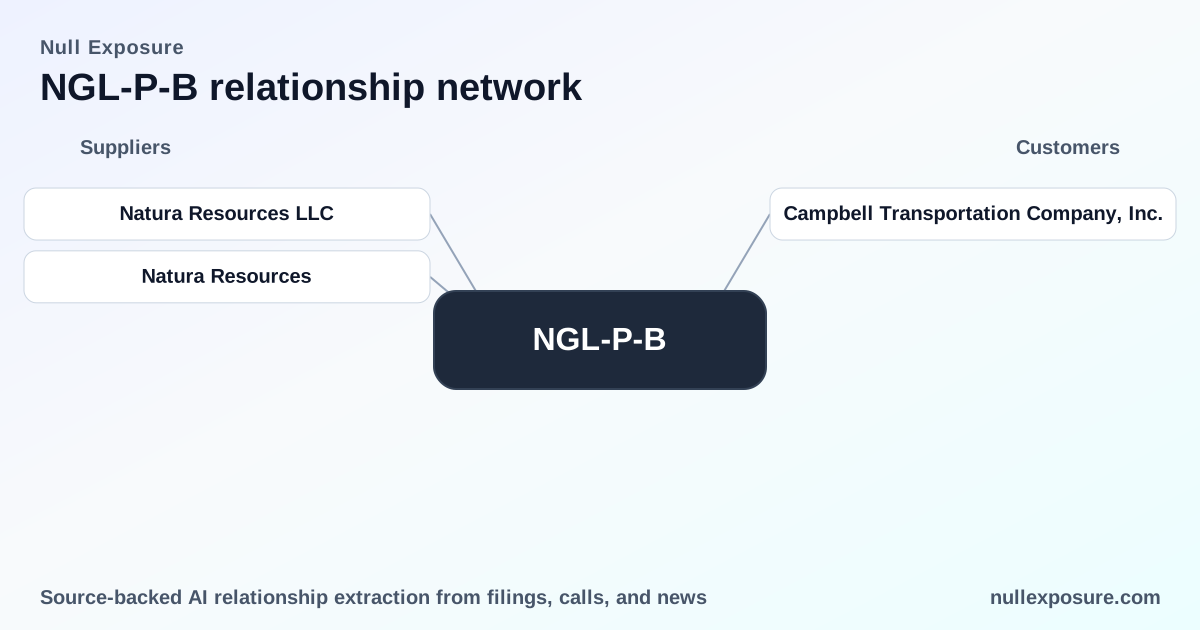
NGL-P-B: Where preferred income meets a shifting midstream footprint
NGL Energy Partners LP operates a diversified midstream platform that monetizes by charging fees for logistics, transportation, storage and water solutions tied to crude oil and essential commodities; its 9.00% Class B fixed-to-floating perpetual preferred units (NGL-P-B) deliver income underpinned by limited partnership interests and an asset-backed operating model. Investors in NGL-P-B are buying high current coupon exposure to a midstream operator that is actively reshaping its fleet and asset mix through acquisitions and disposals, which affects counterparty relationships and operational concentration. For deeper coverage and model-ready signals, visit https://nullexposure.com/.
Company snapshot and how to think about the security
- NGL Energy Partners is a midstream logistics and transportation operator focused on crude oil, water solutions and related commodities. The preferred units pay a 9.00% fixed-to-floating coupon and represent limited partnership economic interest rather than common equity upside. Income focus is the investment thesis; industrial operational changes are the primary source of balance-sheet and cash-flow variability.
- The firm’s stated strategy includes proactive acquisitions and portfolio optimization, which drives both upside (scale, route control) and execution risk (integration, asset divestiture timing).
What matters for investors now
- Cashflow profile: Preferred holders are most sensitive to distributions and structural subordination in the capital stack. Fee-for-service midstream revenues are generally resilient, but realized cash available for distributions can be altered by asset sales, restructuring, or changes in counterparty flows.
- Operational concentration: The midstream model is asset- and route-centric; changes to fleet or marine assets materially change cash generation patterns for certain business lines.
- Counterparty continuity: When an operator sells marine assets, counterparties that used those ships and barges will have new commercial arrangements with the acquirer, which alters credit exposure and operational execution risk.
- Strategic discipline: A proactive M&A posture can improve margins via scale but also raises integration execution risk and short-term cash volatility.
A single notable customer/transaction to understand
Campbell Transportation Company, Inc. purchased NGL Marine assets — a concise read for investors
According to a MarineLink report dated March 10, 2026, Campbell Transportation Company, Inc. signed a definitive purchase agreement to acquire the majority of marine assets owned by NGL Marine, LLC, a subsidiary of NGL Energy Partners LP. The deal transfers towboat and barge assets to Campbell and represents a material change in how NGL will source and operate marine logistics going forward (MarineLink, March 10, 2026).
Implications of the Campbell transaction for NGL-P-B holders
- Operational reconfiguration: The sale of the majority of NGL Marine’s fleet to Campbell reduces NGL’s direct ownership of marine transport assets and converts part of the operating footprint from owner-operated to contractor-operated. That transition shifts certain cost and capex obligations off the balance sheet while introducing new counterparty performance exposure to Campbell.
- Counterparty risk reallocation: Customers and shippers that historically transacted with NGL’s owned fleet may now contract with Campbell or under joint arrangements; this changes credit exposures and the pathway for fee recovery that supports distributions.
- Balance-sheet and free cash flow effects: Asset dispositions typically generate immediate liquidity but also remove future operating cash flows tied to those assets; the net effect on distributable cash depends on deal structure, reinvestment plans, and contract novation terms.
Operating model constraints and company-level signals No formal constraints were captured in the source set for this review, so the following read is presented as company-level signals derived from NGL’s stated model and the transaction activity observed.
- Contracting posture: Asset-backed and commercially oriented. NGL historically operates physical assets and sells logistics services; contracting generally centers on transport and storage agreements where counterparty performance and utilization drive returns.
- Concentration: Multi-line but route-dependent. The business spans crude, water and essential commodities; however, material assets (like marine vessels) concentrate exposure along specific transportation corridors. Divesting marine assets reduces direct asset concentration while increasing reliance on third-party operators.
- Criticality: High operational criticality to customers. Transportation and water-handling are mission-critical services for upstream and downstream counterparts; disruption or operator substitution can have rapid commercial consequences.
- Maturity and capital posture: Mature midstream with active portfolio management. The company’s acquisition and divestiture activity indicates a midstream operator optimizing its capital base rather than a growth-only play.
Risks and the specific callouts for preferred security holders
- Distribution stability is the primary risk metric. Preferred unit holders should monitor changes to distributable cash and any covenant language tied to asset sales or new financing.
- Counterparty transition risk with Campbell. The transfer of marine assets to Campbell creates a new operational and credit counterparty whose performance will affect service continuity and fee recovery.
- Execution risk around portfolio reweighting. Ongoing M&A and disposition activity improves strategic fit but introduces short-term integration risk and potential timing mismatches between proceeds and capital needs.
Practical investor considerations
- Review any press releases or filings that document the exact terms of the Campbell purchase agreement and the treatment of existing customer contracts; those terms determine whether revenue streams transfer, are novated, or incur transitional friction.
- Track distributable cash flow statements and preferred covenant tests (if publicly filed) following asset sales to confirm coupon coverage and any incremental leverage impact.
- Monitor counterparty credit exposure to Campbell and to any other service providers if NGL replaces owned assets with contractor arrangements.
Conclusion — what matters to keep watching The Campbell purchase of NGL Marine assets is a single, clearly documented event that realigns how NGL delivers marine logistics and shifts a portion of operational risk to an external operator. For NGL-P-B holders, the central questions are whether the sale strengthens the balance sheet without impairing distributable cash and whether new counterparty relationships preserve service continuity and fee levels. For ongoing monitoring and deeper relationship intelligence, visit https://nullexposure.com/.
Key takeaway: NGL-P-B is an income-first instrument backed by a midstream operator actively reshaping its asset footprint; investors must prioritize distributor cash flow coverage and the credit implications of any asset divestiture or counterparty substitutions.