Saia Inc (SAIA): Revenue-driving LTL operator with short-cycle, usage-linked cash flows
Saia is a North American less‑than‑truckload (LTL) carrier that monetizes its integrated regional network by hauling high-frequency, short-duration shipments under tariff and contract pricing, augmented by usage‑based surcharges (notably fuel). The company generates recurring operating cash flow from millions of discrete shipment transactions rather than large, term-bound contracts—an operating model that delivers low counterparty concentration, rapid cash conversion, and exposure to cyclical volumes and fuel price swings. For a quick company brief visit https://nullexposure.com/.
How Saia makes money and why it matters to investors
Saia operates a single, consolidated LTL network across North America, with more than 97% of revenue derived from LTL shipments. It bills customers on a shipment‑by‑shipment basis (bills of lading) and typically collects within 30 days, while applying a weekly fuel surcharge tied to national diesel prices. This combination produces transactional, usage‑sensitive revenue streams—highly scalable when volume grows, but also exposed to short-term demand variability and fuel surcharge passthrough mechanics. Saia’s scale is material in the U.S. LTL market: fiscal TTM revenue is roughly $3.25 billion with EBITDA around $588 million (latest quarter: 2026‑03‑31).
Customer relationships on record — what investors should know
Saia’s disclosed customer relationships for the customer scope are limited in public reporting, but the active, commercial partnerships reported are instructive.
TST Overland Express — cross‑border LTL partner
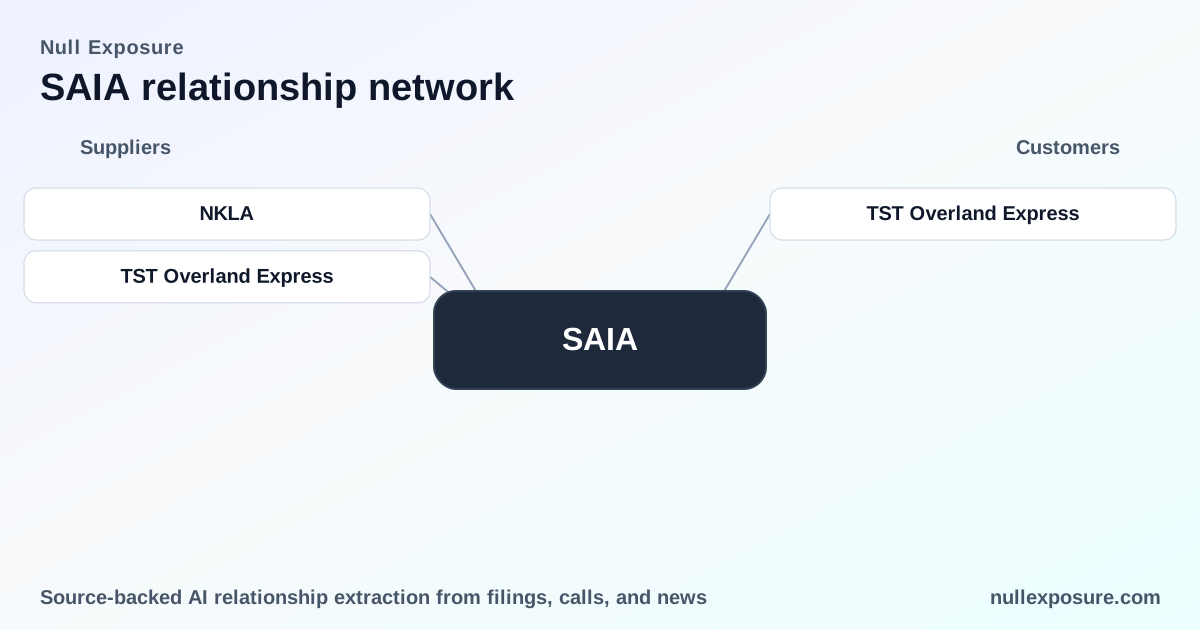
Saia has a commercial arrangement to service TST Overland Express’s LTL freight entering the United States, enabling TST’s cross‑border flows to transit Saia’s U.S. network for final‑mile and linehaul consolidation. A TruckingInfo news report dated March 10, 2026, described the partnership as a cross‑border servicing agreement that routes TST’s inbound LTL through Saia’s U.S. operations. (Source: TruckingInfo, March 10, 2026).
Operating model constraints and what they imply
Saia’s corporate disclosures and reporting reveal a set of company‑level operating constraints that shape risk and upside. Presenting these as signals rather than isolated metrics yields a clearer commercial picture.
- Usage‑based contracting posture. Saia uses a fuel surcharge program tied to national diesel prices and resets frequently, so a meaningful component of revenue tracks usage and external fuel inputs rather than fixed recurring fees. This produces rapid passthrough of fuel cost volatility into billed revenue and reduces margin exposure to fuel but increases top‑line cyclicality (company disclosures, latest filings).
- Short‑term transaction lifecycle. Shipments are discrete performance obligations (bills of lading) with typical transit times of one to five days and invoice terms usually net 30, driving fast revenue recognition and quick cash conversion; the company’s business is operationally transactional rather than long‑dated contracting (company filings).
- North America geographic focus. Saia manages an integrated transportation network primarily across the United States and North America, concentrating market exposure on U.S. economic activity and cross‑border trade flows (company disclosures).
- Low customer concentration. The company reports no single customer representing more than 5% of accounts receivable at year‑end and services a very large number of customers, signaling immaterial counterparty concentration for credit risk purposes.
- Business criticality for shipments. While receivable concentration is low, LTL transportation is the core service, accounting for over 97% of revenue—making the LTL product itself critical to Saia’s commercial viability and investor thesis.
- Service provider posture. Saia operates primarily as a service provider in the transportation chain, delivering core LTL and related value‑added logistics services across its network.
- Relationship maturity and stage. Customer engagements are generally active and operational, reflecting ongoing transactional interactions rather than nascent pilot projects or terminated contracts.
Taken together, these constraints define Saia as a mature, transactionally driven logistics operator: low credit concentration, high operational centrality of LTL, and high sensitivity to macro volume and fuel dynamics.
Financial and market implications for investors
Saia’s monetization profile produces several investor‑relevant outcomes:
- Revenue durability tied to freight volumes. Because invoicing is usage‑based and short‑term, revenue escalates quickly with volume recovery but declines quickly in contractions; investors should read top‑line trends as contemporaneous indicators of industrial demand.
- Margin cadence influenced by fuel passthrough and yields. The fuel surcharge mechanism reduces direct fuel cost risk to margins, but yield management and weight/density mix remain primary margin drivers.
- Low counterparty credit risk but operational concentration. No single customer represents material receivable exposure, which mitigates credit losses, but the firm’s fortunes are tightly coupled to LTL market dynamics—a critical single-segment exposure.
- Cash flow predictability is strong on a per‑shipment basis but volatile at the cycle level. Short billing cycles and net‑30 collections support working capital management, while high beta to freight volumes increases earnings volatility.
Competitive and strategic takeaways
Saia’s model is attractive for investors seeking exposure to a structurally consolidated U.S. LTL market with strong pricing power when capacity tightens. Key investment considerations:
- Growth leverage: Volume expansion and yield improvement translate directly into margin expansion because the network is largely asset‑light at the customer contract level (tariffs and negotiated rates).
- Cyclicality risks: Recessions or prolonged demand softness compress utilization and yields quickly due to the short‑term nature of contracts.
- Fuel and throughput sensitivity: Fuel surcharge mechanics transfer a chunk of price volatility to customers, but throughput and mix changes are the decisive drivers of operating leverage.
- Low receivable concentration reduces tail credit risk, but supply chain disruptions or labor shortages can have outsized operational impact.
If you want a concise, relationship‑focused intelligence brief on other customers and counterparties, explore additional reports at https://nullexposure.com/.
Final read for investors
Saia is a transactionally driven, high‑frequency LTL operator with a business that monetizes through millions of short‑term shipments supported by usage‑linked surcharges and rapid collections. The company’s low customer concentration and integrated U.S. network provide defensive credit characteristics, while volume cyclicality and fuel/throughput sensitivity remain the primary sources of earnings volatility. The TST Overland Express partnership demonstrates Saia’s strategic role as a U.S. execution partner for cross‑border LTL flows, reinforcing the company’s core value proposition as a service provider in North American freight.