Alamos Gold Inc (AGI): Supplier Relationships and Operational Signals for Investors
Alamos Gold operates as a North American gold producer that monetizes through gold sales from its operating mines, supplemented by strategic acquisitions and portfolio stakes that expand reserves and near‑term production. The company’s economics show high margins and predictable commodity exposure—revenue of roughly $1.81bn and EBITDA near $1.07bn in the latest trailing period—while strategic capital allocation (acquisitions and convertible instruments) drives growth and shareholder optionality. For investors and operators evaluating supplier and counterparty risk, the relevant signal set is less about commodity trading counterparties and more about strategic partners, trustees, and minority‑stake transactions that affect capital structure and reserve access. Learn more about supplier relationship intelligence at https://nullexposure.com/.
How Alamos earns and allocates value — the operating picture investors need
Alamos runs a classic upstream miner business: exploration, development, and extraction of gold across Canada, Mexico, and the U.S., selling refined metal into the market and reinvesting cash flow in expansions and bolt‑on acquisitions. High operating margins (about 47%) and a 49% profit margin reflect a business that converts a large portion of revenue into cash flow, but capital intensity and acquisition activity shape financing relationships and contract terms. The company’s forward P/E (17.6) and analyst target price ($61) signal a market pricing that anticipates continued growth and leverage to gold prices. These financials underpin how Alamos structures supplier and trustee relationships: counterparty decisions are oriented toward preserving operational continuity and managing balance‑sheet mechanics.
Supplier relationships: what public disclosures reveal and why they matter
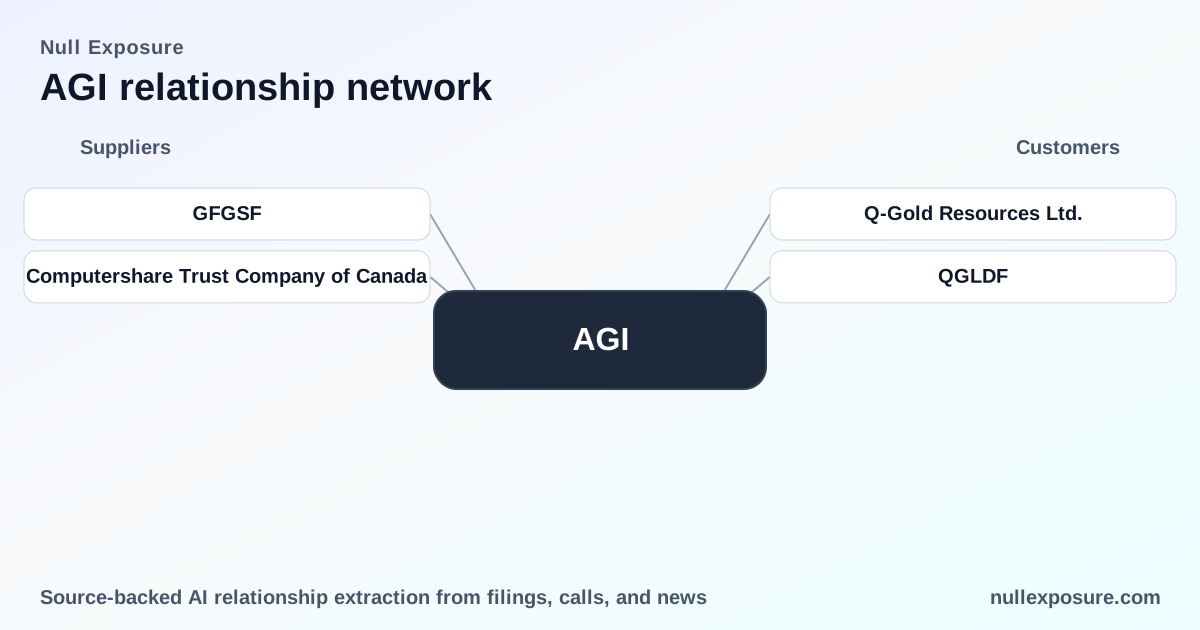
Supplier and counterparty disclosures for Alamos in the provided results highlight two distinct relationship types investors should track: strategic equity stakes/acquisitions and trustee/indenture relationships tied to financing instruments. Both influence capital access, potential dilution, and the company’s ability to integrate new assets.
GFG Resources — equity position following an acquisition
Alamos moved to acquire securities of GFG Resources to maintain a 10.8% stake in FY2025, a tactical holding that preserves exposure to GFG’s assets while giving Alamos optionality around project development and potential consolidation. The transaction indicates active portfolio management and minority‑stake investments as a deliberate part of Alamos’ growth playbook. Source: MarketScreener news report, March 9, 2026 — https://www.marketscreener.com/news/alamos-gold-to-acquire-gfg-resources-securities-to-maintain-10-8-stake-ce7d5adcdb8cf120
Computershare Trust Company of Canada — trustee role in financing mechanics
Alamos entered a supplemental indenture naming Computershare Trust Company of Canada as trustee to govern the conversion mechanics for debentures issued in the Argonaut Gold transaction, an arrangement that forms the legal conduit for equity issuance upon conversion and affects timing and magnitude of potential dilution. This is a standard financing counterparty relationship that directly ties capital structure execution to a third‑party trustee. Source: GlobeNewswire press release, July 12, 2024 — https://www.globenewswire.com/news-release/2024/07/12/2912643/0/en/Alamos-Gold-Announces-Closing-of-Argonaut-Gold-Acquisition.html
What these relationships imply about contracting posture and concentration
At the company level, the disclosed relationships reveal several operating model characteristics relevant to counterparties and operators:
- Contracting posture: Alamos structures deals that include formal financing documentation and equity stakes; contracts are formalized through trustees and supplemental indentures, reflecting conservative legal execution and an emphasis on clear conversion mechanics.
- Counterparty concentration: Public results list a small set of named counterparties in the sample—this suggests concentration toward a limited number of strategic counterparties for financing and acquisition activity, rather than a broad, transactional supplier base.
- Criticality: Trustee and indenture relationships are highly critical to capital structure outcomes because they determine how and when shares may be issued upon conversion, directly impacting dilution and ownership.
- Maturity: The nature of the relationships—equity holdings and formal trusteeship—signals mid‑to‑mature commercial relationships rather than ad hoc vendor arrangements; these are strategic and recurring contractual constructs.
These company‑level signals frame how operators and procurement teams should prioritize monitoring: legal/treasury counterparties and minority investment targets deserve continuous oversight because they have outsized impact on financing and reserve consolidation.
Investment implications and a practical risk checklist
For investors and counterparties evaluating Alamos supplier exposures, the takeaways are clear:
- Capital structure sensitivity: Trustee documents and conversion mechanics can accelerate dilution or defer it; model scenarios should reflect conversion timing tied to indentures.
- Strategic stake play: Minority holdings such as the GFG stake are executed to secure optionality—value realization occurs through either integration or asset advancement by the target.
- Counterparty risk concentration: A limited number of high‑impact counterparty relationships increases single‑point failure risk; stress tests should model trustee incapacitation or disputes affecting share issuance.
- Operational continuity is insulated: The public disclosures emphasize legal formalism around financings, reducing operational ambiguity but increasing the importance of monitoring legal and regulatory filings.
Use this checklist when underwriting exposure: review indenture terms, conversion triggers, trustee appointment provisions, and the strategic rationale for minority stakes relative to reserve growth.
Explore supplier risk frameworks and portfolio monitoring tools at https://nullexposure.com/ to integrate these relationship signals into your investment process.
Quick operational recommendations for operators and procurement teams
Operators should focus on governance touchpoints: ensure treasury and legal teams have visibility into trustee agreements, require notification clauses for conversions, and maintain a rolling watch on minority‑stake targets for potential tie‑ins to offtake or JV arrangements. Procurement should treat trustee relationships as long‑dated service contracts with operational deliverables (records, notices, timing) that must be enforced.
Final verdict and next steps for due diligence
Alamos’ disclosed supplier relationships are strategic and finance‑centric: minority equity positions and formal trustee arrangements that drive capital structure outcomes rather than transactional supply chains. For active investors and operators, the priority is to monitor conversion mechanics and stake rationales because those are the levers that will most influence dilution, cash flow deployment, and reserve consolidation.
If you want a structured supplier risk report or ongoing monitoring for Alamos and its counterparties, start here: https://nullexposure.com/. Additional bespoke intelligence on how these relationships evolve can materially change valuation assumptions and operational planning—book a review through https://nullexposure.com/ and convert these signals into actionable decisions.