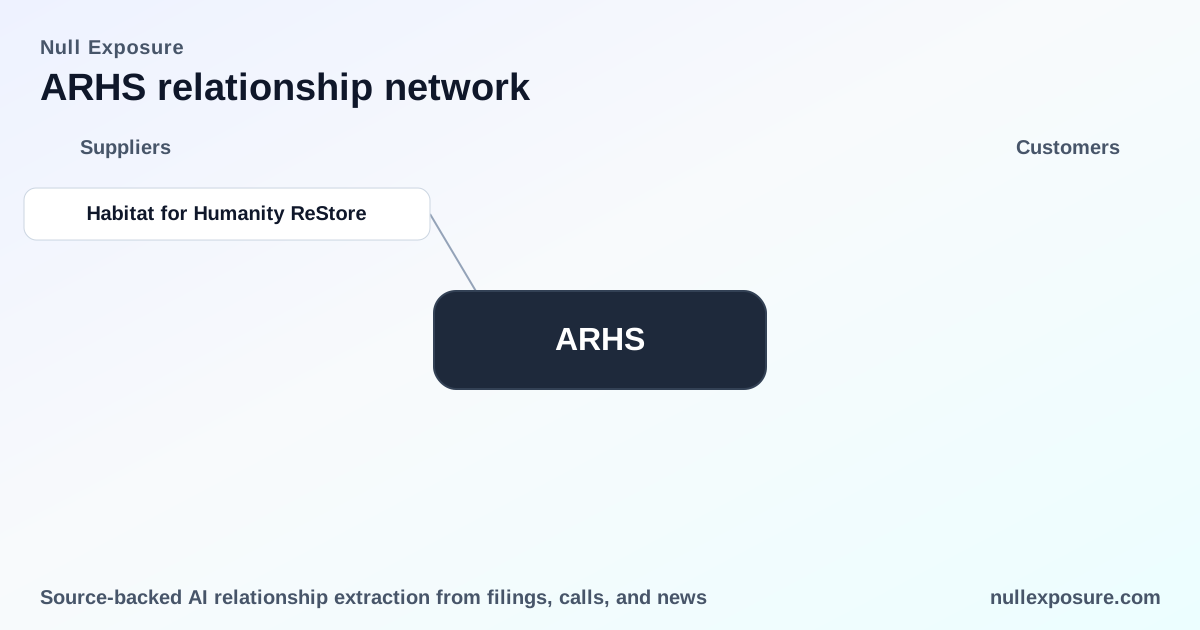
Arhaus Inc (ARHS): Supply-side relationships and what they mean for investors
Arhaus is a premium home‑furnishings retailer that monetizes through vertically oriented retailing and direct sourcing: exclusive designs and factory-direct relationships feed a branded retail network and e‑commerce channel that command higher gross margins than typical specialty furniture players. The company converts product exclusivity and sustainability provenance into pricing power while retaining control of distribution and assortment. For investors, the question is how supplier geography, vendor concentration and contract posture translate into operational leverage and downside risk.
Explore more supplier intelligence at https://nullexposure.com/ for a deeper view of counterparties and contracting posture.
How Arhaus makes money and why suppliers matter
Arhaus operates a retail + manufacturing-adjacent model. It sources the majority of inventory from international factories and artisan partners, then sells through company stores and digital channels. The combination of proprietary product, long‑standing vendor relationships and a differentiated brand supports a healthy gross margin profile: recent figures show Revenue TTM of $1.379B and Gross Profit TTM of $536M, yielding a profit margin near 4.9% and an operating margin around 5.6% as of the latest reported quarter (2025‑12‑31). Market capitalization stands around $1.034B with an EV/EBITDA near 7.6x, reflecting investor recognition of stable cash flow and margin durability relative to peers.
The single supplier relationship identified — what it is and why it matters
Arhaus publicly documents philanthropic and community-supply interactions as part of its supplier and logistics footprint.
- Arhaus donates furniture and décor to Habitat for Humanity ReStore locations across the U.S., supporting the nonprofit’s mission and distributing select product through ReStore channels. This activity was disclosed in an 8‑K reprinted on StockTitan on March 9, 2026. (Source: 8‑K / StockTitan, March 9, 2026)
This relationship is charitable and channel‑supportive rather than a core procurement vendor; it signals community engagement and a downstream outlet for certain inventory. The disclosure is consistent with a brand strategy that leverages sustainability commitments and donation programs to reinforce Arhaus’s eco‑friendly positioning.
What the company-level supplier constraints reveal about operating risk
Arhaus’s public filings and regulatory excerpts outline a set of supplier characteristics that define the operating model. These are company-level signals rather than attributes tied to any single counterpart.
-
Contracting posture: long‑term orientation. Filings reference multi‑year lease terms and longstanding vendor ties, and the company highlights direct sourcing relationships that have persisted since founding. This fosters supply stability and predictability in assortment planning. (Source: 10‑K excerpts and lease/credit facility disclosures)
-
Counterparty profile: many vendors are small businesses and artisans. The supplier base includes small, often undercapitalized producers, which creates unique design differentiation but also exposes Arhaus to capacity constraints and supplier financial fragility under stress. (Source: Form 10‑K vendor disclosure)
-
Geographic reach: global sourcing. Arhaus sources the majority of inventory from vendors outside the U.S., partnering with artisans worldwide; purchases remain largely U.S.‑dollar denominated, muting direct FX pass‑through but maintaining operational exposure to international logistics and political risk. (Source: company supply‑chain statements in recent filings)
-
Materiality and concentration: meaningful vendor concentration. While the vendor universe exceeds 400 partners, the top 10 vendors (including an internal manufacturer) account for approximately 60% of net revenue, signaling concentrated dependency and the need for strong vendor stewardship. (Source: company disclosure in filings)
-
Supplier roles: manufacturers and service providers. Arhaus relies on foreign manufacturers for core merchandise and engages service providers for logistics, software and consulting—contracts and cyber risk mitigation are incorporated in vendor selection. (Source: procurement and vendor risk management disclosures; consulting agreement exhibits)
-
Maturity of relationships: established and durable. Many supplier relationships are mature and long‑standing, which has supported capacity expansions aligned with Arhaus’s net revenue growth historically. (Source: historical supplier relationship language in filings)
-
Segment focus: manufacturing integration. The company’s direct sourcing from factories and limited use of wholesale channels indicates a vertically integrated merchandising posture that preserves margin and assortment control. (Source: merchandising and sourcing disclosures)
Collectively, these constraints point to a supplier model that delivers product exclusivity and margin upside but concentrates operational risk around a limited number of high‑impact vendors and globally distributed manufacturing partners.
Financial implications and investor checklist
Arhaus’s supplier characteristics translate directly into balance‑sheet and operating exposures investors must monitor.
- Concentration risk elevates the importance of vendor continuity plans and inventory buffers; a disruption at a top vendor could compress revenue recognition timing and margins.
- Global sourcing reduces cost through scale and unique product but increases exposure to logistics inflation and geopolitical disruption; currency pass‑through is limited, yet shipping and lead‑time volatility remain material.
- Long‑term leases and enduring vendor contracts create fixed‑cost commitments that increase operating leverage in downturns but magnify earnings upside in recovery.
Key metrics to watch in upcoming quarters: vendor receivable/payable days, inventory turns, contribution margin by product family, and any disclosure regarding vendor insolvency or capacity constraints. The company’s reported EBITDA of $135.8M and trailing PE of 15.3x reflect a market pricing in steady cash generation and manageable risk; however, the elevated beta (~2.53) indicates stock sensitivity to operational news.
If you need a deeper counterparty map or contract‑level risk scoring, start here: https://nullexposure.com/.
Investment takeaways and recommended actions
- Positive: Arhaus’s proprietary sourcing model and mature vendor relationships sustain differentiated gross margins and durable brand value. The company demonstrates scale with $1.38B in trailing revenue and a gross profit base that supports reinvestment in retail expansion and digital channels.
- Risk: Vendor concentration and reliance on small‑scale artisan producers are the primary operational risks; monitor vendor continuity disclosures and inventory metrics closely.
- Near‑term focus: Watch for any changes to the credit facility expiring in late 2026, material vendor disputes, or shipping/logistics cost increases that would directly compress operating margin.
For supplier-level diligence and to map counterparty exposure across Arhaus’s vendor base, see the research portal at https://nullexposure.com/ — the fastest way to translate supplier disclosures into investment signals.
Final thought
Arhaus’s model creates a compelling margin story built on exclusive sourcing and brand premiuming, but the same characteristics concentrate execution risk in a small set of manufacturing partners and global supply lines. Investors should balance the company’s margin economics and mature supplier network against the operational realities of artisanal production and global logistics. For targeted supplier diligence or to commission a counterparty risk brief on ARHS, visit https://nullexposure.com/ to request analyst support.