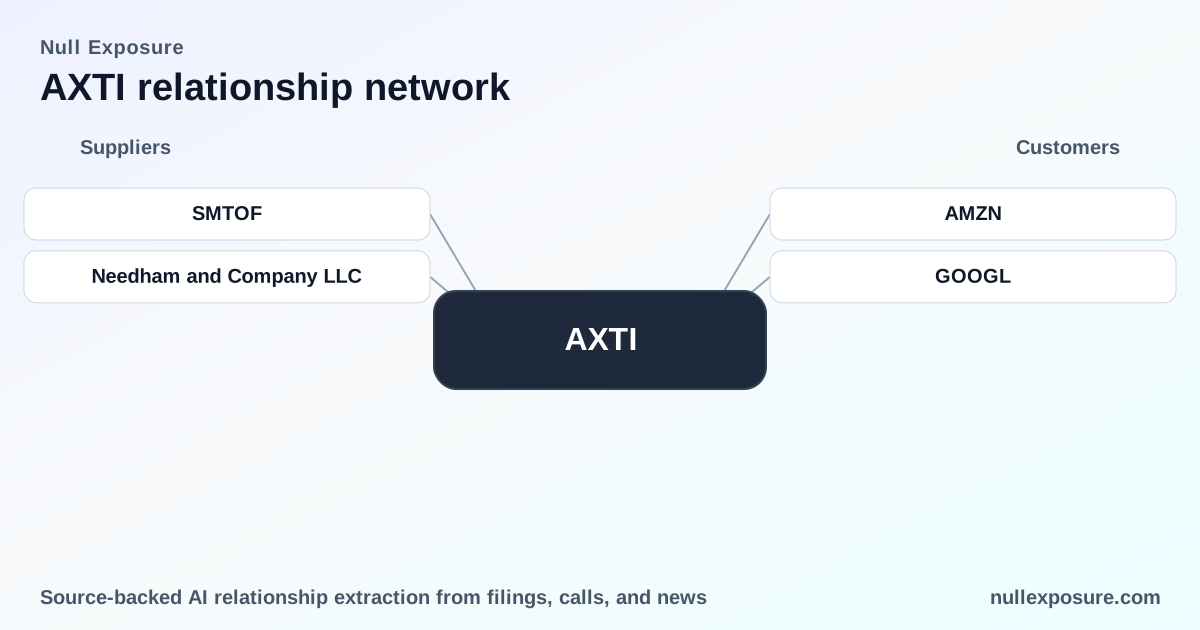
AXTI (AXT Inc): Supplier relationships that shape margins and supply resilience
AXT Inc designs, develops and sells single‑element and composite semiconductor substrates, monetizing through the sale of these substrates to semiconductor manufacturers and related customers worldwide. Revenue is driven by substrate volume and specialty product mix, while margins are heavily influenced by upstream input availability and pricing. For investors and procurement operators, the critical lens is how AXTI’s supplier posture — short‑term purchasing, geographic concentration, and reliance on a small set of upstream inputs — translates into execution risk and strategic leverage. For a practical supplier‑risk map and additional supplier analytics visit https://nullexposure.com/.
How AXTI operates and where profit pressure comes from
AXTI is a materials supplier in the semiconductor value chain: it manufactures wafers and substrates and sells them to OEMs and foundries. The company’s revenue base is relatively small (Revenue TTM ~$88.3M) versus a market capitalization in the billions, which amplifies sensitivity to order cadence and margin swings. AXTI reported negative operating and net margins in its latest TTM figures, underscoring the importance of stable, cost‑effective supply lines and pricing power.
AXTI’s operating model has three features that investors must track:
- Upstream concentration: certain raw materials (e.g., quartz tubing, polishing solutions) are sourced from a limited number of vendors and are identified by management as material to production.
- Short‑term contracting posture: management states that purchases are generally made via standard purchase orders rather than through long‑term supply contracts.
- Geographic production footprint: manufacturing is conducted by PRC subsidiaries and joint ventures, with many suppliers located outside the U.S., creating specific geopolitical and logistical exposures.
If you are evaluating counterparty risk or procurement strategy for AXTI, a structured supplier map is essential — start here: https://nullexposure.com/.
What the disclosed relationships say (each relationship covered)
Sumitomo Electric Industries — AXTI is positioned in a duopoly with Sumitomo Electric Industries for certain upstream supply positions, giving both suppliers strategic importance in the upstream chain. According to an InsiderMonkey analysis published March 9, 2026, this duopoly reinforces AXTI’s bargaining leverage on some supply items but also highlights concentration risk in critical inputs (InsiderMonkey, FY2026).
Needham and Company LLC — A March 2, 2026 SEC reference filed and mirrored on StockTitan shows Needham and Company LLC listed in a securities context tied to AXTI’s NASDAQ filing, consistent with Needham acting as a capital markets intermediary or broker‑dealer in recent corporate actions (StockTitan / filing, FY2026).
Why these relationships matter to investors and procurement
Sumitomo Electric linkage is the operational relationship that matters for manufacturing continuity. A duopoly at the upstream level concentrates sourcing risk and can influence both lead times and input pricing. AXTI’s dependence on a limited number of suppliers for specific raw materials makes that duopoly operationally and financially meaningful for margin stability.
Needham’s presence is a capital markets signal rather than a manufacturing dependency. The broker‑dealer listing in a securities filing reflects transaction and distribution activity, which matters for financing and investor access but does not directly alter operational supply chains.
Company‑level constraints that shape supplier risk and contracting strategy
AXTI’s management disclosures and public excerpts provide clear, company‑level signals about supplier posture and exposure:
- Short‑term contracting is the norm. Management states that materials are generally purchased through standard purchase orders rather than long‑term supply contracts, indicating limited formal supplier commitments and greater reliance on spot or transactional procurement for many inputs. This reduces long‑run price protection and elevates vendor negotiation as a recurring operational task.
- Material supplier concentration is real and material. The company depends on a limited number of suppliers for certain raw materials, a characteristic that creates single‑point‑of‑failure risk for production when those inputs become scarce or expensive.
- Manufacturing geography is concentrated in APAC (PRC). All products are manufactured in the PRC by PRC subsidiaries and joint ventures, and most suppliers and facilities are outside the U.S., creating logistics, regulatory, and geopolitical vectors of risk.
- Relationship role includes manufacturing partnerships and JV exposure. Management notes that portions of production are performed by PRC subsidiaries and joint ventures and that some materials purchased are produced by those entities, indicating a hybrid in‑house / third‑party manufacturing model.
These constraints together imply a procurement profile that is operationally mature in process but strategically vulnerable: AXTI has manufacturing capability and JV arrangements, but limited long‑term supplier contracts and concentrated raw material sources create elevated supply risk.
Strategic implications and investor checklist
For investors and operators assessing AXTI supplier relationships, focus on these actionable items:
- Measure supplier concentration by SKU — identify which inputs are single‑sourced and how long alternate qualification would take.
- Track duopoly dynamics with Sumitomo Electric — monitor lead times, contractual changes, and pricing signals that could move AXTI’s gross margin.
- Stress test the PRC manufacturing base for geopolitical and logistics disruption scenarios given the company’s APAC concentration.
- Quantify financing flexibility — understand how broker relationships like Needham support capital access during cyclical downturns or inventory build.
Key risk drivers to watch: counterparty concentration, short contractual tenor, APAC manufacturing concentration, and volatile order volumes given a small revenue base.
Mid‑report note: for a detailed supplier exposure map and scenario analytics for procurement teams, visit https://nullexposure.com/.
Conclusion: what investors should take away
AXTI is a small‑revenue, high‑strategic‑importance supplier in semiconductor substrates whose margins and delivery reliability are tightly coupled to a handful of upstream partners and a PRC‑centric manufacturing footprint. The most consequential relationship for operations is the de facto duopoly with Sumitomo Electric Industries, which compresses supply optionality; the most consequential for capital markets is engagements with broker‑dealers like Needham for financing and distribution. Investors and operators must integrate supplier concentration and short‑term contracting into valuation and contingency planning.
For sourcing teams, procurement officers, and investors who need a command view of supplier connections and risk vectors, start your diligence at https://nullexposure.com/.