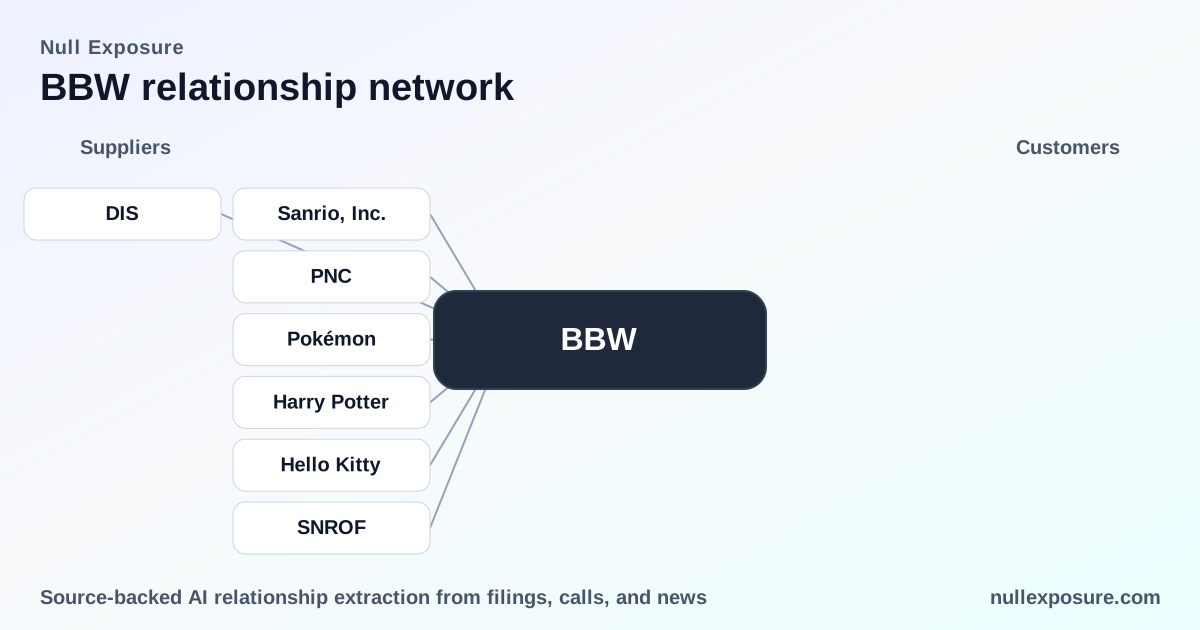
Build‑A‑Bear (BBW) — Supplier relationships that shape the business
Build‑A‑Bear Workshop operates as a multi‑channel specialty retailer that monetizes through product sales in stores and online, IP licensing partnerships, and physical retail presence underpinned by leased mall and experiential locations. Revenue is driven by merchandise (including licensed plush), in‑store experiences, and periodic themed collections; the company finances working capital and growth with revolving credit facilities and a mix of long‑dated retail leases. For investors evaluating supplier risk, the combination of material manufacturing concentration in Asia, long lease commitments with some usage‑based rent, and active licensing rollouts are the most consequential operational levers.
For a broader supplier intelligence picture visit https://nullexposure.com/ to see the full supplier mapping and signals.
How to read Build‑A‑Bear’s supplier footprint as an investor
Build‑A‑Bear’s commercial model is not a pure retail play: it is experience-led retail plus licensed IP, which shapes supplier behavior and contractual posture. Several company‑level signals matter when evaluating counterparty exposure:
- Contracting posture and maturity: Store leases typically have original terms of five to ten years, giving the company mid‑to‑long‑term occupancy stability and lease optionality. Some European logistics arrangements include guarantees through specific dates (company filings reference distribution center guarantees through January 2026).
- Cost structure mechanics: A subset of leases includes contingent rents tied to store sales, creating a built‑in variable cost that scales with performance rather than fixed rent only.
- Concentration and criticality: Manufacturing is concentrated—five vendors in Asia supplied roughly 69% of merchandise purchases in fiscal 2024—creating material single‑source risk and supplier bargaining power.
- Relationship roles: Build‑A‑Bear sources most merchandise from foreign manufacturers (primarily China and Vietnam) and relies on third‑party logistics providers for last‑mile distribution to stores.
- Spot versus contractual sourcing: Many vendor relationships run on purchase orders without long‑term supply guarantees, leaving the company exposed to spot pricing, lead‑time variability, and manufacturer capacity changes.
These company‑level characteristics translate into operational vulnerabilities (supply shock sensitivity, freight cost pass‑through limits) and strategic advantages (flexible inventory buys and scalable licensing collaborations).
Partner-by-partner review you can act on
Below are the relationships surfaced in recent reporting; each entry includes a short, plain‑English takeaway and an attribution so you can follow the original coverage.
Build‑A‑Bear x Sanrio — new Hello Kitty workshop locations (Licensing International)
Build‑A‑Bear is expanding the Build‑A‑Bear x Hello Kitty & Friends Workshop with new locations at American Dream and Mall of America, reinforcing its strategy of using licensed IP to drive foot traffic and experiential sales. According to Licensing International coverage (Mar 2026), the partnership brings Sanrio characters into the in‑store Workshop experience.
Build‑A‑Bear x Sanrio — expansion reported by ToyBook
ToyBook likewise reported the Hello Kitty expansion into American Dream and Mall of America, confirming the rollout timetable and national expansion plan that supports broader merchandising and seasonal programming. (ToyBook, Mar 2026)
Revolving credit amendment with PNC Bank
Build‑A‑Bear entered a Third Amendment to its Revolving Credit and Security Agreement with PNC Bank and participating lenders, indicating active short‑term liquidity management and ongoing bank support for working capital and capital expenditure needs. (TradingView report, Mar 2026)
Licensing relationships with Pokémon
Build‑A‑Bear maintains licensing deals with nostalgic IP such as Pokémon that feed its product pipeline and cross‑promotional opportunities, underpinning collectible and adult consumer demand. (WXOW feature on kidulting, Mar 2026)
Licensing relationships with Harry Potter
Harry Potter is part of Build‑A‑Bear’s licensed portfolio, giving the company access to a high‑engagement fan base and seasonal product programs that lift average transaction value. (WXOW feature on kidulting, Mar 2026)
Licensing relationships with Hello Kitty (general coverage)
Hello Kitty is explicitly called out among the nostalgic brands Build‑A‑Bear leverages, illustrating the company’s focus on recognizable IP to accelerate store and e‑commerce sales. (WXOW feature on kidulting, Mar 2026)
Sanrio expansion reported on CBR (additional coverage)
CBR reported the nationwide expansion of the Build‑A‑Bear x Hello Kitty and Friends Workshop, echoing other licensing reports and signaling coordinated media coverage supporting the rollout. (CBR/License Global reference, Mar 2026)
Disney collaboration — Winnie the Pooh collection and seasonal push
Build‑A‑Bear’s seasonal strategy included a Disney Winnie the Pooh range that broadened online reach in the US and UK, demonstrating that Disney IP remains a meaningful channel for incremental sales during peak windows. (TradersUnion market coverage, Mar 2026)
If you want the raw relationship signals and sourcing details for model integration, see the supplier intelligence hub: https://nullexposure.com/.
What the relationships collectively imply for risk and upside
The licensing partnerships (Sanrio, Pokémon, Harry Potter, Disney) are growth multipliers: they generate higher traffic, justify premium price points for themed merchandise, and reduce marketing spend per unit of incremental sales. However, those benefits coexist with structural sourcing risks:
- Material supplier concentration increases operational exposure to regional disruptions and puts pressure on lead times and margins if freight or manufacturing costs rise.
- Lease structures that include percentage rent reduce fixed occupancy cost risk on underperforming locations but increase cost volatility when same‑store sales rebound.
- Spot purchase relationships with many vendors give purchasing flexibility but limit long‑term price certainty for critical SKUs.
From a financing lens, the PNC amendment signals active covenant management and liquidity provisioning, which investors should monitor alongside EBITDA and covenant thresholds. Build‑A‑Bear’s current profitability metrics (Profit Margin ~9.85%, Return on Equity ~35.5%) show operational leverage, but the business is still sensitive to input cost and retail traffic swings.
Operational triggers investors should watch
- Escalation in freight or input costs from Asia that are not offset by price increases or promotional changes.
- Supplier disruptions among the five major vendors that accounted for 69% of purchases in fiscal 2024.
- Changes in lease expense dynamics, particularly where percentage rent could amplify costs during strong seasonal demand.
- Credit facility amendments or covenant waivers, which could signal liquidity stress or proactive balance sheet management; the recent third amendment with PNC is an immediate data point to watch.
Bottom line and next steps
Build‑A‑Bear’s supplier profile is a classic retail trade‑off: licensing partnerships drive traffic and margin upside, while manufacturing concentration and mixed contract tenors create material operational risk. Investors should triangulate licensing pipeline activity, vendor concentration metrics, and credit‑facility disclosures to assess the durability of earnings.
For an expanded supplier risk dashboard and to map how each counterparty could influence cash flow and inventory turn assumptions, start here: https://nullexposure.com/. If you want investor‑grade supplier monitoring or a bespoke risk brief on Build‑A‑Bear, visit https://nullexposure.com/ and request a tailored report.