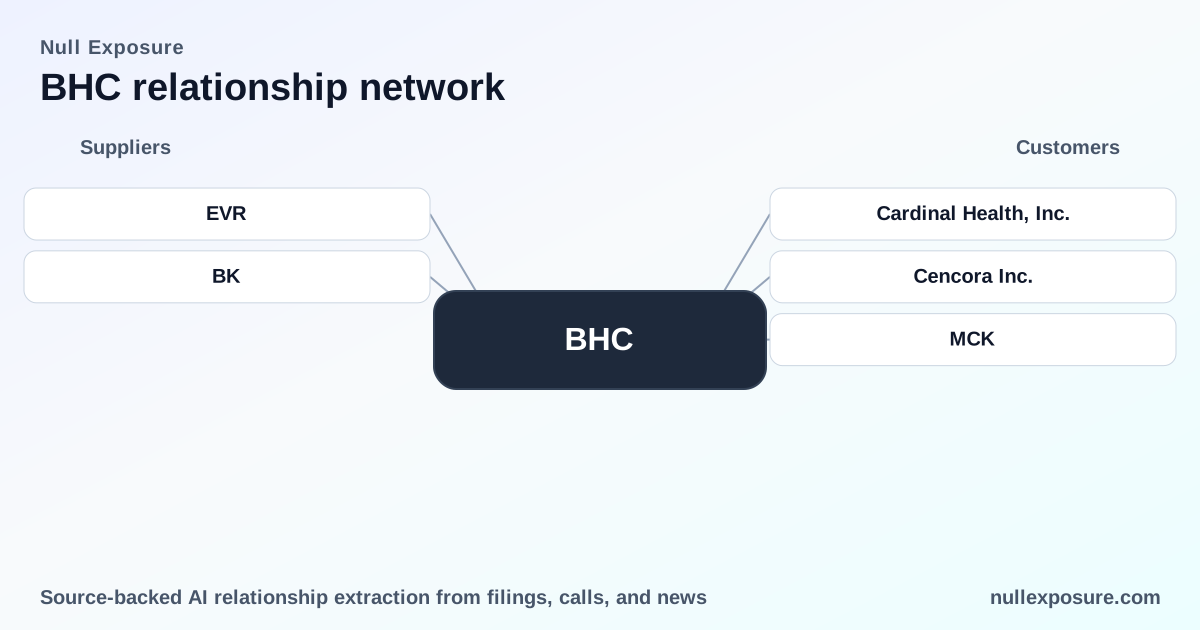
Bausch Health (BHC): supplier relationships and the operational constraints that matter to investors
Bausch Health monetizes by developing, manufacturing and marketing a portfolio of pharmaceuticals, medical devices and OTC products concentrated in eye health, gastroenterology and dermatology, with revenue driven by both internal manufacturing and extensive third‑party sourcing and licensing arrangements. The company combines in‑house production with subcontracted manufacturing (roughly 29% of product sales produced wholly or in part by third parties in 2024) and generates cash flow through product sales while carrying structural contractual obligations (leases, licenses, milestone payments, and indentures) that shape liquidity and execution risk. For a quick supplier‑risk scan and relationship map, visit https://nullexposure.com/ for prioritized signals and further due diligence.
Quick investor thesis — what to watch
Bausch Health is a revenue‑generating healthcare manufacturer with material reliance on third‑party suppliers and licensors for both active pharmaceutical ingredients and finished goods; this creates concentration risk on certain brands and exposes BHC to license and milestone cash outflows. Investors should trade off stable product cash flows and high operating margin against contractual payments and single‑source supplier vulnerabilities. Explore detailed supplier signals at https://nullexposure.com/ to prioritize counterparty diligence.
How BHC’s supplier relationships show up in filings and news
Bausch Health’s public disclosures and recent news items expose two explicit supplier/advisory relationships in the tracked universe for FY2025–FY2026: Evercore Inc. and The Bank of New York Mellon. Below are plain‑English summaries for each relationship and the cited public source.
-
Evercore Inc. — Evercore acted as financial advisor to Bausch Health in connection with exchange offers, indicating the company engaged external investment banking expertise to execute capital structure transactions. Source: TradingView news report on March 9, 2026 (Evercore acted as financial advisor): https://www.tradingview.com/news/tradingview:b6853d303ae06:0-bausch-health-companies-inc-announces-final-results-of-exchange-offers/
-
The Bank of New York Mellon — BNY Mellon is identified in Bausch Health announcements as the trustee under a supplemental indenture, signaling BNY’s role in the administration of BHC’s debt documentation and indenture modifications. Source: TradingView news report on March 9, 2026 (Second Supplemental Indenture with The Bank of New York Mellon): https://www.tradingview.com/news/tradingview:f99ccabbe4ab7:0-bausch-health-signs-multiple-material-agreements/
Why these relationships matter to operators and procurement
Evercore’s advisory role demonstrates BHC uses external capital markets expertise when executing debt or equity restructuring, which is relevant to suppliers because changes to capital structure affect counterparty credit and payment terms. BNY Mellon’s role as indenture trustee is a governance touchpoint: trustees control covenant implementation and notices to bondholders, and any supplemental indenture can change creditor priorities or trigger operational covenants. For a supplier-focused monitoring plan tied to capital events, see https://nullexposure.com/.
Contracting posture and balance‑sheet constraints you must factor into supplier decisions
Bausch Health’s disclosures and constraints reveal a mix of contract durations and payment profiles that shape supplier negotiating leverage and execution risk:
- Licensing and milestone obligations are material: Management discloses potential milestone and license fee payments aggregating approximately $222 million for products under development or marketed, which creates future contingent cash outflows that suppliers and partners should price into long‑term engagements.
- Long‑term lease commitments are sizable and scheduled: BHC discloses a multi‑year noncancelable operating lease schedule with totals and a present value (total lease payments of $283 with present value $223 reflected in the filing), indicating fixed occupancy and capacity costs that limit operating flexibility.
- Interim and short‑term purchase contracts exist: The XIIDRA acquisition included an interim contract for inventory transfer that is being amortized into cost of goods sold over an assumed ~two‑year turnover; this demonstrates short‑term embedded purchase commitments that affect near‑term working capital and inventory strategies.
- Supplier concentration and single‑source risk are explicit: Several core products rely on single suppliers for finished goods or active pharmaceutical ingredients; BHC identifies this as a material and, for some products, critical dependency that can cause revenue disruption if a source fails.
- Outsourced manufacturing is substantive and ongoing: About 29% of product sales are produced partly or wholly by third‑party manufacturers, indicating persistent reliance on contract manufacturers and service providers for production scale and regulatory compliance.
- Spend magnitude justifies strategic vendor relationships: The company signals potential third‑party payments in the $100m+ spend band, confirming that suppliers to BHC operate at enterprise scale and should expect formal contracting and audit requirements.
These signals together create a contracting posture characterized by a blend of long‑standing obligations (leases, indentures), material contingent liabilities (licenses, milestones), and concentrated supplier dependencies. For procurement teams, the practical implication is to prioritize continuity planning for single‑sourced inputs and structure contracts with clear remedies and lead times.
Practical risk implications for investors and operators
- Operational continuity is the top single risk: Single‑source inputs for key brands create outsized downside from a production interruption. BHC’s own disclosure ties such interruptions to material adverse effects.
- Capital‑structure events change counterparty risk quickly: Use of external advisors and supplemental indentures are signs that BHC actively manages debt — suppliers should monitor agent/trustee notices and exchange offers for changes to payment priority.
- Cash flow levers are constrained by contractual commitments: Leases, milestone payments, and inventory purchase terms tie up cash; suppliers negotiating payment terms should consider seasonality and these fixed obligations.
Relationship table (concise takeaways)
Evercore Inc. — acted as financial advisor in Bausch Health’s exchange offers, signaling active engagement with investment banks on capital structure transactions. Source: TradingView news, March 9, 2026 — https://www.tradingview.com/news/tradingview:b6853d303ae06:0-bausch-health-companies-inc-announces-final-results-of-exchange-offers/
The Bank of New York Mellon — entered into a second supplemental indenture with Bausch Health, reflecting trustee involvement in the company’s debt documentation and potential amendment of bond terms. Source: TradingView news, March 9, 2026 — https://www.tradingview.com/news/tradingview:f99ccabbe4ab7:0-bausch-health-signs-multiple-material-agreements/
What action investors and vendor managers should take now
- For investors: monitor covenant notices, trustee filings and milestone schedules as leading indicators of liquidity stress or restructuring activity. Check BHC’s capital‑markets activity frequently and model the $222 million of contingent license/milestone payouts into stress scenarios.
- For suppliers: negotiate explicit continuity terms and payment protections for single‑sourced or high‑value engagements; require lead‑time clauses or secondary sourcing triggers for critical SKUs.
- For procurement and legal: ensure contracts reflect the company’s long‑term lease and inventory commitments so supply‑chain financing and inventory ownership are clearly assigned.
For prioritized supplier and counterparty intelligence on Bausch Health and peer healthcare suppliers, visit https://nullexposure.com/ for vendor risk scoring and contract signal feeds.
Closing recommendation
Bausch Health offers stable revenues from branded products but operates with material contractual obligations and supplier concentration that require active monitoring. Investors should factor in milestone/license outflows and lease commitments when assessing free cash flow, while suppliers must treat several BHC product lines as high‑criticality relationships and price accordingly. For continuous monitoring and to convert these signals into action, return to https://nullexposure.com/ and align supplier diligence with the company constraints highlighted above.