DHCA: Deal partners, operating posture, and what investors should read between the lines
DHCA operates as a transaction-oriented sponsor/advisory vehicle that monetizes through deal fees, advisory retainers, underwriting and placement compensation, and transaction-related equity economics tied to SPAC combinations and related capital markets activity. The company’s immediate commercial profile is defined by a small set of high‑impact service relationships that enable access to capital markets, legal structuring, and transaction advisory work — the levers that generate near-term cash and long-term sponsor upside.
Learn more about how relationship mapping informs counterparty risk and exposure: https://nullexposure.com/
The short list: who DHCA is using to get deals done
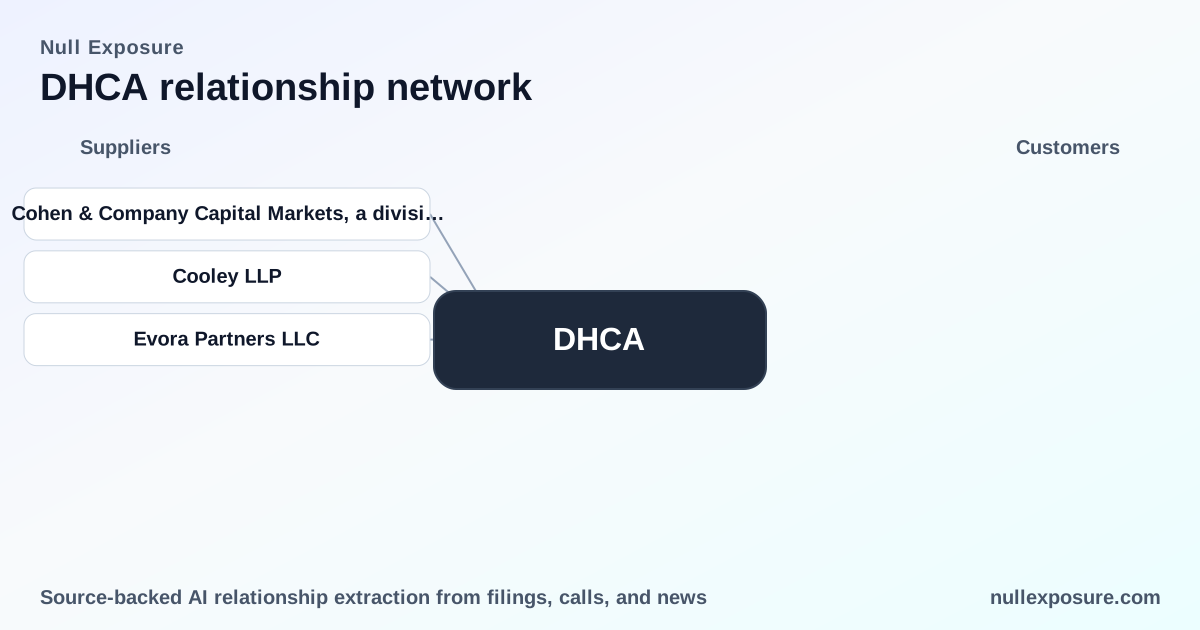
DHCA’s public footprint for the referenced transaction shows three named external partners that cover capital markets, legal counsel, and advisory services. Each relationship is narrowly scoped to the current deal execution environment and is a critical conduit for financing, regulatory compliance, and transaction design.
Cohen & Company Capital Markets (a division of J.V.B. Financial Group, LLC) — capital markets and lead advisor
Cohen & Company Capital Markets is serving as exclusive financial advisor and lead capital markets advisor to DHC Advisors in the announced combination, positioning them as the primary conduit for equity placement and capital-raising execution. According to a SPACInsider report covering the DHC/DHCA combination with BEN, Cohen & Company was named the exclusive financial and lead capital markets advisor (SPACInsider, March 2026).
Cooley LLP — legal counsel
Cooley LLP is acting as legal counsel on the transaction, providing the regulatory, securities, and transactional law expertise necessary for SPAC combinations and public filing work. The engagement is documented in the same SPACInsider article that announced the DHC/DHCA combination with BEN (SPACInsider, March 2026).
Evora Partners LLC — strategic advisor
Evora Partners LLC is engaged as an advisor to DHCA, contributing boutique advisory support around deal structuring and investor outreach. The engagement is detailed in the SPACInsider coverage of the transaction (SPACInsider, March 2026).
What these service relationships imply about DHCA’s operating model
These provider selections reveal the following characteristic operating behaviors and company-level signals:
- Contracting posture: DHCA consolidates critical execution responsibilities with a small set of established partners — one exclusive capital markets advisor and one lead law firm — reflecting a preference for concentrated, high-trust vendor relationships rather than marketplace sourcing. That posture accelerates execution but increases single‑counterparty reliance for capital raising and legal defense.
- Concentration and criticality: The capital markets role is concentrated with Cohen & Company, making that relationship highly critical to near-term liquidity events. Legal and advisory functions are similarly essential; failure or frictions in any one of these relationships would materially impair deal timing and outcomes.
- Maturity and market positioning: The mix of a national law firm (Cooley) and established capital markets broker-dealer indicates a transaction profile aimed at institutional investors and public-market outcomes rather than private bilateral placements. This signals a mature, public-facing execution strategy.
- Disclosure signal (company-level): The sourced relationship data contains no explicit contractual constraints or caveats in the provided references. The absence of constraint excerpts in public reporting is itself a company-level signal: either the engagements follow standard market terms without restrictive covenants that warrant callout, or the disclosure set available to this feed did not include contractual detail.
(See the transaction announcement reporting for the named roles: SPACInsider, March 2026.)
Learn how relationship concentration alters exposure and negotiations: https://nullexposure.com/
Risk and value implications for investors and operators
These relationship choices create a clear trade-off profile for stakeholders:
- Value levers: Exclusive capital markets representation and top‑tier legal counsel accelerate pricing discovery and regulatory clearance, which increases the probability of favorable deal economics and timely monetization of sponsor equity. That concentration also helps maintain bargaining leverage with institutional buyers when the lead advisor is a credible placement agent.
- Risk levers: Concentration risk is elevated; loss of the lead capital markets advisor or material legal insufficiency would materially delay or reprice the transaction. Counterparty reputational risk is also relevant — adverse developments at any of these firms could transmit to DHCA’s ability to syndicate or complete financings.
- Operational resilience: Using established partners such as Cooley suggests better-managed legal execution risk, while a boutique advisor like Evora adds specialized structuring or investor-introduction capabilities that are complementary rather than redundant.
- Due diligence focus for investors: Prioritize contract terms around exclusivity, termination rights, fee waterfalls, and indemnities, and seek clarity on whether any of these relationships include equity compensation or contingent success fees that dilute sponsor economics.
How to use this signal set in portfolio decisions
- For active investors: model sensitivity of deal timing to the lead capital markets relationship and stress-test scenarios where placement windows slip or legal reviews extend.
- For operators and counterparties: negotiate termination and replacement pathways into contracts and secure contingency plans for capital raising if the exclusive advisor relationship breaks down.
- For research teams: track subsequent filings and press releases from the named advisors to confirm fee structures and any equity stakes, as these materially affect sponsor economics.
Final takeaway: DHCA’s execution depends on a small, high-quality set of external partners whose performance will determine near-term cash flows and the timing of sponsor monetization. Counterparty concentration accelerates execution but amplifies execution risk — that trade-off is the central investment consideration.
Explore further relationship intelligence and counterparty risk tooling at https://nullexposure.com/
If you want a tailored run-down of how these relationships change DHCA’s exposure profile or to set automated alerts for counsel/placement changes, visit https://nullexposure.com/ for subscription options and analyst briefings.