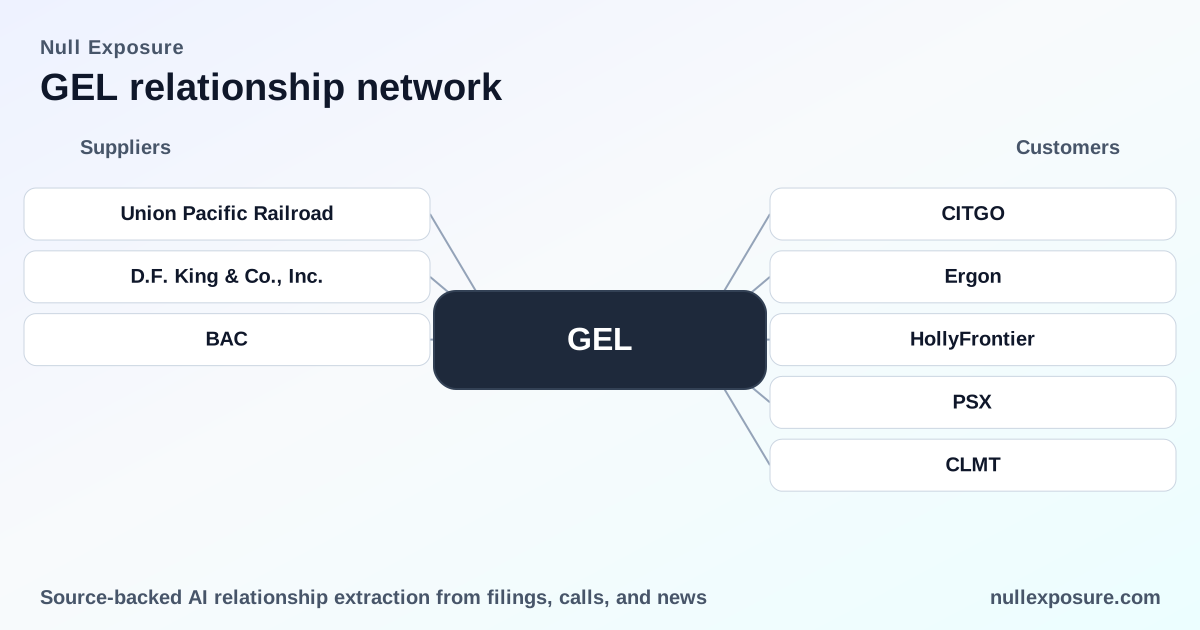
Genesis Energy LP (GEL): Supplier Relationships That Drive The Midstream Economics
Genesis Energy LP operates midstream infrastructure for oil, natural gas and related chemicals and monetizes through fee-based logistics, commodity marketing and services tied to refinery and chemical operations — including a proprietary sulfur removal process that makes the partnership and supply footprint around caustic soda strategically important. The partnership map is narrow but consequential: Genesis contracts transportation and capital markets intermediaries while purchasing and marketing commodity inputs and outputs. For investors evaluating supplier counterparty risk, focus on transportation concentration, procurement posture and capital markets access. Learn more or initiate a supplier-screen from the team at NullExposure: https://nullexposure.com/.
Quick financial context:
- Market capitalization: $2.16B
- Revenue (TTM): $1.63B; EBITDA: $490.3M
- Profitability: Negative net EPS (-$0.73) but positive operating margin (~20%) and dividend yield ~3.8%
What Genesis buys, who moves it, and why that matters
Genesis is a large consumer and marketer of caustic soda due to its sulfur removal service offered to refiners. That single commodity relationship creates concentration in procurement and logistics: Genesis sources caustic volumes from producers, service providers and, historically, its own mine until February 28, 2025. Because the company both consumes caustic for its processes and resells volumes to third parties, procurement posture is buyer-driven but also commercially active as a marketer, creating both scale advantages and single-point risks in transportation and supply. This dynamic is a core operating constraint that informs counterparty diligence.
If you want a consolidated view of supplier exposures and how they affect financing and operations, start here: https://nullexposure.com/.
How to read the constraints: contracting posture, concentration, criticality and maturity
- Contracting posture: Genesis operates primarily as a buyer of caustic soda and other commodities while also acting as a marketer; contracts will typically be procurement- and logistics-focused rather than long-term manufacturing supply agreements. This signals negotiating leverage in volumes but persistent execution risk on logistics.
- Concentration: The company’s scale in caustic consumption gives it purchasing scale, enabling marketing to third parties, but also concentrates exposure around a small number of transport and rail channels.
- Criticality: Caustic soda is a major input for the proprietary sulfur removal process; its availability is operationally critical to service delivery for refinery customers.
- Maturity: Genesis accesses commodities through a mix of producers, gatherers, shippers and refiners, and until February 28, 2025 it also owned a mine — a recent structural change that affects integration and source diversity.
These are company-level signals drawn from Genesis’ filings and disclosures; they shape how counterparties and lenders should value operational resilience and logistics redundancy.
Supplier and service relationships you need on the radar
Below I cover every supplier or intermediary relationship referenced in public filings and press related to Genesis Energy in the provided results.
Union Pacific Railroad — the dominant rail corridor for Green River alkali
Genesis reports operating a fleet of roughly 4,100 covered hopper cars that move more than 94% of alkali product volumes from its Green River facilities via a single rail line owned and operated by Union Pacific. This creates transportation concentration risk that ties plant throughput to a single Class I railroad corridor. According to Genesis’ FY2024 10‑K filing, Union Pacific provides the primary rail link for these flows (FY2024 10‑K).
D.F. King & Co., Inc. — tender agent and investor communications conduit
For a recent tender offer, Genesis designated D.F. King & Co., Inc. as Tender Agent and Information Agent, directing requests for offer documents to them. This is a standard capital‑markets engagement but is material for investor relations and creditor solicitation workflows. The role and contact instruction are cited in press releases covering the tender offer in early 2026 (tender offer press release, February 2026).
BofA Securities, Inc. — Dealer Manager and lead underwriter for debt offerings
Genesis retained BofA Securities as Dealer Manager and as the lead underwriter on a 2026 senior notes offering and related tender activity; public notices and wire releases list BofA as leading the offering with joint book‑runners and co‑managers. Access to a major global bank for debt placement signals continued capital markets access and cost-of-capital implications for liability management. The dealer-manager and book‑running role is documented in multiple 2026 press notices and filings announcing the offering and tender (press coverage and corporate notice, February–March 2026).
Key takeaways for operators, procurement and credit teams
- Transport concentration is a principal operational risk. Union Pacific moves the vast majority of alkali product volumes from Green River; any disruption or rate shock on that corridor directly pressures throughput and margin.
- Procurement scale is a competitive advantage — and a dependency. Genesis’ ability to purchase and resell caustic soda provides margin capture, but creates single-commodity exposure that requires redundancy in supply sources and logistics planning.
- Capital markets relationships are active and straightforward. Use of D.F. King for tender handling and BofA Securities as Dealer Manager indicates that Genesis executes structured liability management in public markets when refinancing windows open. That preserves flexibility but requires monitoring of covenant metrics and liquidity position following any tender/issue (documented in February–March 2026 market notices).
Risk factors that change counterparty valuations
- Single-rail dependence for Green River flows reduces operational optionality and raises the commercial value of rail relationships. Counterparties should price in transport concentration when modeling recovery and continuity scenarios.
- Commodity procurement concentration increases supplier influence over spot and contract pricing. Hedging and forward contracting strategy matters to margin stability.
- Recent divestiture of a mine (ownership until Feb 28, 2025) reduces vertical integration. This is a structural change that increases reliance on third-party supply channels for commodity volumes.
For tailored supplier risk scoring or to model the financial impact of a rail disruption or commodity price shock, engage the NullExposure analysis team: https://nullexposure.com/.
Final assessment and action items
Genesis Energy runs a midstream business with operational scale in chemicals and logistics and a capital markets profile that supports active liability management. The company’s transportation concentration (Union Pacific) and procurement posture as a large buyer and reseller of caustic soda are the most consequential supplier risks for investors and operators. For credit officers and energy-sector operators, the workstream is clear: stress-test liquidity under rail disruption scenarios, evaluate alternative rail and transload options, and monitor covenant headroom around any debt tender or issuance events managed by BofA and D.F. King.
To begin a deeper supplier exposure review or to request a tailored risk memo on Genesis Energy’s logistics and procurement footprint, contact NullExposure at https://nullexposure.com/.