Horizon Space Acquisition II (HSPT): supplier relationships and what they mean for investors
Horizon Space Acquisition II operates as a blank‑check acquisition vehicle (a SPAC) that monetizes by raising IPO capital, parking proceeds in a trustee‑held trust account, and executing an initial business combination that converts public funds into a post‑combination operating company. Revenue today is effectively zero; value accrues to sponsors and public shareholders through successful deal execution, sponsor economics (founder shares, potential working‑capital unit conversions) and the return of trust account proceeds if no deal is completed. Market capitalization sits in the low tens of millions and the company’s cost structure centers on underwriting, audit and professional services tied to executing a transaction and regulatory listings. Learn more about supplier risk for investors at the Null Exposure homepage: https://nullexposure.com/.
Who HSPT contracts with today — an investor’s short list
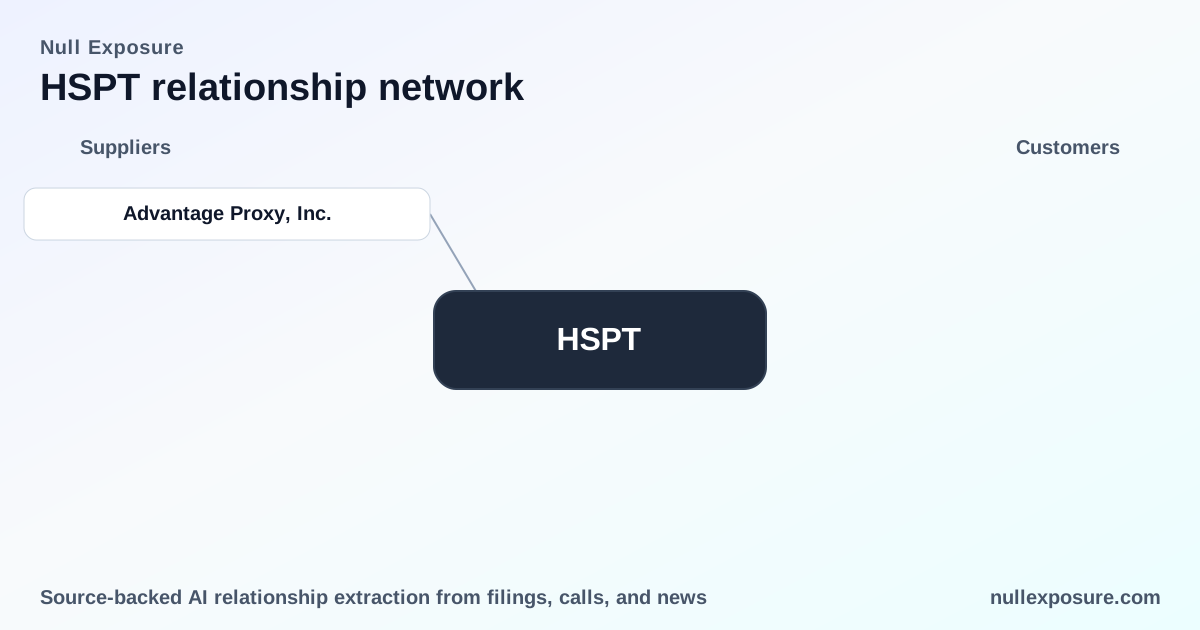
- Advantage Proxy, Inc.
HSPT uses Advantage Proxy as its proxy solicitor and shareholder contact point for matters related to extraordinary general meetings and redemption requests; the engagement surfaced in a January 2026 shareholder‑meeting postponement notice that provided Advantage Proxy contact details for investors and brokers. (Source: markets.financialcontent.com news post, Jan 30, 2026).
That is the only named external supplier identified in the news‑sentiment results for HSPT; the company’s public filings and exhibits disclose a broader set of counterparties and service providers that underwrite, audit, custody and advise on the IPO and the business combination process.
Contracting posture and what filings reveal about the operating model
HSPT’s public disclosures establish a short‑term, transaction‑driven contracting posture. The IPO proceeds were placed in a U.S. trust account held by Wilmington Trust, N.A. and invested in short‑dated U.S. Treasury instruments or eligible money‑market funds, reflecting a preservation‑first approach to cash management rather than long‑term interest‑bearing investments (Investment Management Trust Agreement, filed Nov 2024). The company granted the underwriters an over‑allotment option that was exercised in November 2024, producing additional offering costs and representative share issuances disclosed in the offering materials.
Operationally, the company budgets recurring administrative payments to sponsor affiliates — $10,000 per month for office and support services until consummation of a business combination or liquidation — which establishes a baseline cash burn for headquarters support that is contractually fixed over the SPAC’s life prior to an M&A close. Filings also show the sponsor and insiders as a source of working‑capital loans (up to $2.5 million convertible into units), and the company has reimbursed sizeable underwriting and other offering costs (underwriting commissions exceeded $900,000). Audit fees and professional services are identifiable line items (Marcum Asia audit fees of roughly $116,905 for the 2024 filing period), which confirms professional advisory services are a material expense category in the run‑up to a business combination.
Geographic and counterparty footprint as a governance signal
- North America is primary. Trust account custody, accounting firm domicile, and NASDAQ listing posture anchor HSPT’s operations in the U.S.; filings specify Wilmington Trust (U.S.) and a U.S.‑based auditor.
- APAC/China is a target geography for transactions. Filings discuss potential deals involving PRC entities and the attendant need for cross‑border legal advisers and structuring expertise; regulatory constraints on currency conversion and cybersecurity for PRC targets are highlighted as transactional frictions.
Counterparty types are mixed: government exposures are tactical and limited (short‑dated U.S. treasuries in the trust account) while individuals and sponsor affiliates are explicit sources of working capital and potential service arrangements (founders/officers lending funds and receiving reimbursements). These elements produce a low direct market‑risk profile for invested cash but a concentration and governance risk around sponsor and advisor relationships.
Relationship roles, spend bands and materiality explained for investors
Public filings and exhibits position HSPT’s external partners primarily as service providers (underwriters, auditors, proxy solicitors, legal and valuation advisers). Spend‑level disclosures indicate two meaningful bands:
- $1m–$10m: underwriting and offering costs (the company paid roughly $900k–$1.035m in underwriting discounts and related offering expenses); potential convertible working capital loans aggregate up to $2.5m.
- $100k–$1m: recurring and discrete professional services such as audit fees (~$116,905 reported) and other formation/operating expenses.
Auditing and legal fees are treated as material line items for the purpose of consummating a business combination, and the company’s cost reviews are focused on these professional fees because they directly affect the firm’s ability to close a transaction. Wilmington Trust’s role as trustee is structural rather than commercial — custody of the trust account is core to the SPAC model and reduces market exposure by investing in highly liquid government obligations (trust agreement referenced in the Nov 2024 filing).
How supplier relationships translate into investment risks and advantages
- Governance risk is concentrated around sponsor and advisor incentives. Monthly sponsor fees, convertible loans from insiders and founder economics create potential conflicts that the independent‑director process and fairness opinions are intended to mitigate. Filings require fairness opinions or independent valuations for related‑party targets.
- Operational criticality of proxy services for shareholder votes is high. Proxy solicitation and accurate shareholder communications, performed by firms such as Advantage Proxy, are gating items for postponements, redemptions and consummation of transactions — failures or delays here directly impede a business combination timetable (news post Jan 30, 2026).
- Liquidity risk is low for the trust account but execution risk is high. Funds are invested in short‑dated treasuries, limiting market and interest‑rate exposure, while the real value driver is the success of M&A execution and the counterparty target’s post‑transaction viability.
- Cross‑border complexity elevates legal and regulatory spend for China‑facing deals. If HSPT pursues a PRC target, expect increased spend on PRC and U.S. legal specialists and additional operational constraints related to capital flows and cybersecurity law.
Read a deeper supplier‑risk briefing and monitor counterparties on Null Exposure: https://nullexposure.com/.
Clear takeaways for investors and operators
- HSPT is a transaction‑centric vehicle whose supplier ecosystem is dominated by short‑term, high‑impact service contracts (underwriters, auditors, proxy solicitors).
- Sponsor economics and working‑capital arrangements are the principal non‑market risks; audits, legal counsel and proxy solicitation are the material operational dependencies.
- Trust account custody in U.S. treasuries minimizes cash market risk but does not mitigate execution risk in completing an initial business combination.
For portfolio managers and operators evaluating exposure to SPAC counterparties, focus diligence on sponsor alignment, proxy‑solicitor capabilities (timely shareholder communications), and the scale of underwriting and legal commitments. For ongoing vendor monitoring and supplier‑risk intelligence, visit Null Exposure: https://nullexposure.com/.
Sources referenced: company filings and exhibits around November 2024 (Investment Management Trust Agreement and Form 8‑K filings), SEC‑filed offering materials disclosing underwriting and offering costs, audit fee disclosures for Marcum Asia (2024 annual filings), and a Markets FinancialContent news post (Jan 30, 2026) announcing the shareholder meeting postponement and listing Advantage Proxy contact information.