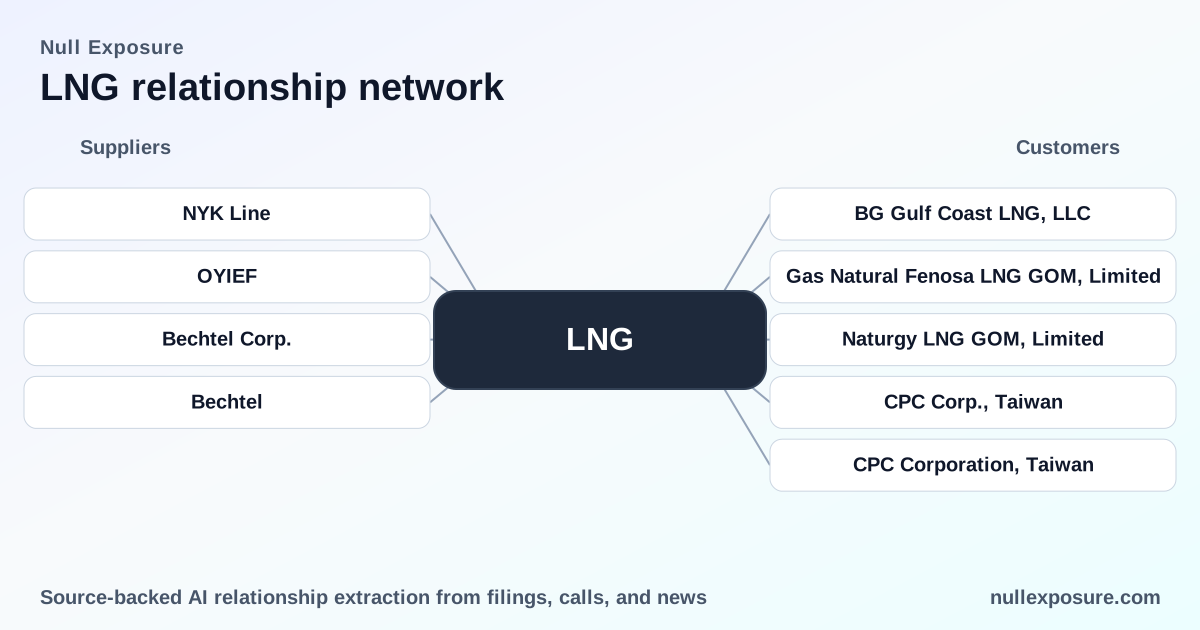
Cheniere (LNG): Supplier relationships that underpin a capital-intensive export franchise
Cheniere Energy monetizes a U.S.-based liquefied natural gas (LNG) export platform by owning and operating large-scale liquefaction and export facilities and selling contracted LNG volumes under a mix of long-term sale-and-purchase agreements and market-linked arrangements. The company captures value through fee-based liquefaction and merchant sales, while managing feedstock exposure via long-term natural gas supply agreements and indexed procurement; its commercial model is driven by contracted cashflows, scale in feedstock access, and capital intensity of EPC and shipping relationships. For a concise boardroom view of Cheniere’s counterparty map and what it implies for risk and operations, read on — and if you need continuous supplier intelligence, consider visiting our homepage: https://nullexposure.com/
How Cheniere’s operating model shapes supplier economics
Cheniere builds and operates liquefaction trains and sells either contracted LNG under SPAs or merchant volumes into global markets. Revenue is generated through fixed liquefaction fees under long-term SPAs and through merchant sales where the company retains margin after sourcing feedstock. The business model is capital intensive, creating persistent demand for large engineering, procurement and construction (EPC) partners, long-term shipping charters, and billion‑dollar feedstock contracts. Financially, Cheniere reported strong margins and EBITDA scale (Revenue TTM ~$19.5b; EBITDA ~$10.5b), underscoring a highly cash-generative midstream profile that supports sustained capital deployment and contractual counterparties.
The active supplier and service-provider relationships you should know
Below are the direct relationships surfaced in media and filings. Each is summarized in plain English and annotated with the reporting source.
NYK Line — long-term LNG carrier charters
NYK Line signed multiple long-term charter contracts for new LNG carriers with Cheniere Marketing International LLP, Cheniere’s marketing subsidiary, reflecting Cheniere’s need to secure shipping capacity for export flows. The arrangement was reported by MarineLink and ShipManagementInternational in March 2026. (MarineLink, March 10, 2026; ShipManagementInternational, March 2026)
Ocean Yield AS — partner in shipping charters
Ocean Yield AS partnered with NYK Line to provide long-term charters for new LNG carriers contracted by Cheniere Marketing International LLP, indicating Cheniere’s use of leased shipping capacity through industry owners/operators. The news was covered by MarineLink and ShipManagementInternational in March 2026. (MarineLink, March 10, 2026; ShipManagementInternational, March 2026)
Bechtel Corp. / Bechtel Energy Inc. — EPC contractor for Corpus Christi expansions
Bechtel received a full notice to proceed as the EPC contractor on Cheniere’s Corpus Christi mid‑scale trains 8 and 9 following a final investment decision, cementing Bechtel’s role in construction and project execution for Cheniere’s capacity expansion. This relationship was reported by Rigzone and referenced in Cheniere commentary celebrating export milestones. (Rigzone, March 4, 2026; LNG Industry, February 26, 2026)
What the contract and sourcing constraints reveal about counterparty risk
Cheniere’s publicly disclosed constraints and contract excerpts present clear company‑level operating signals that should shape counterparty assessment:
-
Long-term contracting posture: The company discloses long-term natural gas supply agreements with remaining fixed terms up to 15 years and emphasizes long-term feedstock commitments. This establishes durable counterparties on the feedstock side and reduces short‑term price exposure for contracted volumes. Treat counterparties that feed these tables as strategically important to Cheniere’s cashflow profile.
-
U.S.-centric feedstock sourcing: Cheniere procures most of its feedstock from the U.S., which limits direct exposure to foreign gas price regimes while concentrating supply‑chain risk domestically; counterparties active in North American gas markets are consequently more critical.
-
Material cash commitments: The company discloses substantial executed-contract cash requirements for operations and capex, signaling that relationships with EPCs, ship owners, and major suppliers are material to corporate execution and frequently involve multi‑hundred‑million dollar spend bands.
-
Seller and service-provider roles across the model: Cheniere acts both as a seller of LNG (through SPAs and merchant sales) and as a buyer of feedstock and services. Company filings note IPM agreements where Cheniere pays for feedstock on a market-indexed basis less liquefaction fees, and a separate excerpt explicitly documents a fixed-price turnkey EPC agreement with Bechtel Energy Inc., identifying Bechtel as a named service provider on major projects.
-
Large spend bands: Evidence tables list natural gas supply agreements and associated dollar amounts consistent with >$100m counterparty exposure, indicating counterparties to supply and EPC contracts operate at very high economic scale relative to single‑vendor spend thresholds.
For procurement and risk teams evaluating Cheniere counterparties, the takeaway is clear: contractual duration, U.S. gas exposure, counterparty scale, and EPC execution capability are the primary axes of supplier risk. If you want ongoing monitoring of these relationships and contract signals, visit our platform at https://nullexposure.com/
Investment implications and operational risks for counterparties
-
Counterparty concentration and contract duration create predictable cashflows for Cheniere but also concentrate execution risk. Large, fixed-price EPC contracts place execution risk with contractors like Bechtel, and shipping charters introduce operational obligations and delivery scheduling sensitivity.
-
The U.S. feedstock focus reduces foreign supply volatility but increases exposure to U.S. gas basis and infrastructure constraints; counterparties embedded in North American gas markets have outsized operational importance.
-
Shipping partners such as NYK and asset owners like Ocean Yield are not ancillary — charters secure essential logistics for export volumes, and any delay or availability shortfall in the fleet translates quickly into revenue and margin swings for Cheniere.
-
Financial strength of counterparties matters: Cheniere’s model supports large‑value, long-term contracts, so creditworthiness and execution track record are decisive selection criteria for suppliers and service providers.
Bottom line and next steps
Cheniere’s commercial model combines long-term contracted cashflows with merchant optionality, supported by strategic supplier ties to major EPC firms and shipping owners. For investors and operators, the critical lens is supplier execution and long-dated contractual alignment — not short-term commodity volatility. If you evaluate LNG supplier relationships or need continuous counterparties intelligence for Cheniere and its peers, start here: https://nullexposure.com/
Explore supplier risk more deeply or request a tailored counterparty review for Cheniere on our homepage: https://nullexposure.com/