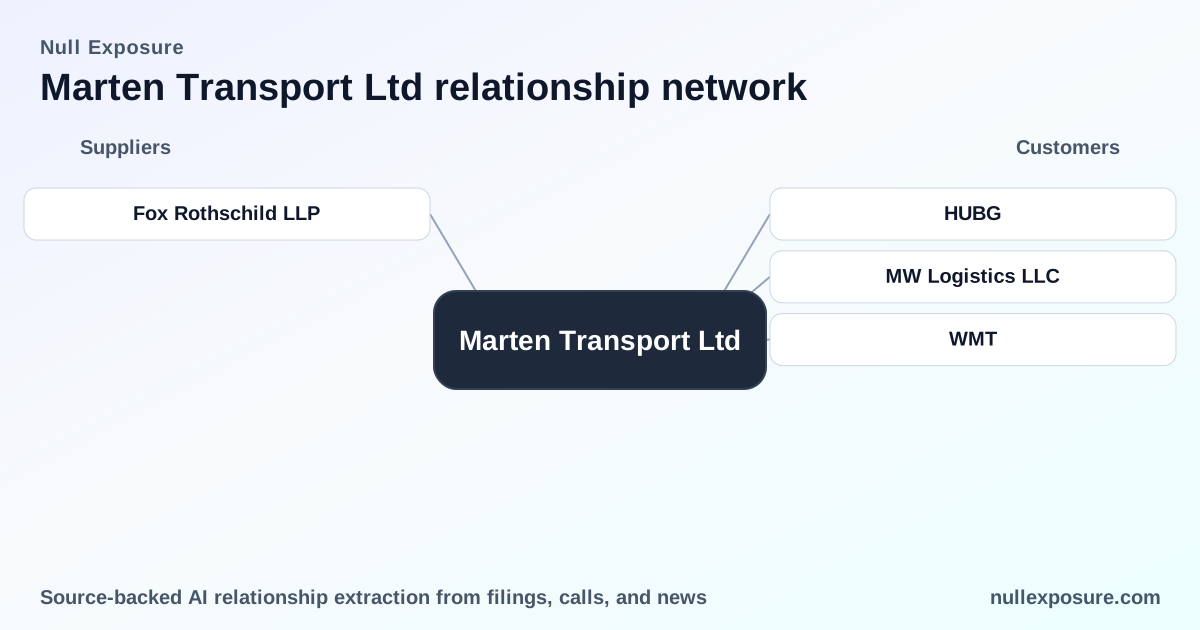
MRTN: Supplier map and what it tells investors about Marten Transport
Marten Transport (MRTN) monetizes by operating a capital-intensive freight platform: company-owned refrigerated and dry-van tractors and trailers generate recurring transportation revenue, while a brokerage arm supplements utilization through third-party carrier arrangements. The company captures margin through asset utilization, fuel and maintenance cost management, and volume purchasing arrangements, and it relies on a mix of manufactured equipment, service vendors, and occasional legal and advisory suppliers to run operations. For investors, material signals are the heavy ongoing equipment commitments, concentrated manufacturer relationships, and an operational posture that blends owned assets with brokered capacity. Explore supplier intelligence and strategic implications at https://nullexposure.com/.
Quick take: how Marten runs and pays vendors
Marten’s business model is equipment-heavy and vendor-dependent: large capex for revenue equipment, mid-size operating leases, ongoing parts and tires spend, and brokered third-party carrier agreements that keep utilization flexible. The company buys tractors and tires from established manufacturers, purchases fuel through volume arrangements, and engages external service providers for brokerage operations and cybersecurity. These supplier relationships shape capital allocation, operational resilience, and cost variability.
Supplier relationships in the public record
Below I cover every supplier relationship surfaced in the available results and what each means for operators and investors.
Fox Rothschild LLP — legal counsel to Marten Transport
Fox Rothschild LLP is serving as legal counsel to Marten Transport in connection with the sale of assets related to its intermodal business, as disclosed in a company announcement in July 2025. According to a GlobeNewswire press release (July 22, 2025), Fox Rothschild advised on that transaction, indicating the company uses outside counsel for material disposition work and complex transaction execution. (Source: GlobeNewswire press release, July 22, 2025.)
Constraints and what they reveal about the operating model
The supplier constraints extracted from public disclosures form a coherent picture of Marten’s contracting posture, concentration, criticality, and maturity.
-
Capital intensity and maturity: Marten is committed to significant revenue equipment purchases — $191.2 million in new equipment for 2025 — which underlines a mature, capital-intensive operating model where vendor performance in equipment delivery and financing materially affects revenue growth and utilization. This commitment signals predictable, recurring procurement cycles and a procurement strategy centered on established manufacturers.
-
Spend-size mix: Public excerpts show two distinct spend bands: short-term operating lease obligations (~$627,000 through 2028) and large capital commitments (>$100 million). Together these indicate a mixed procurement posture: modest operational leases are supplemented by meaningful outright purchases, skewing risk and supplier negotiation power toward manufacturers and equipment financiers.
-
Manufacturer relationships are material: Marten reports payments to tire manufacturers and states that Kenworth and Freightliner manufacture most of its company-owned tractors, which identifies a clear concentration in OEM relationships for core rolling stock. These named manufacturers are strategic suppliers for uptime, parts availability, and residual value, and therefore are critical to performance and resale economics. (Evidence from company disclosures noting payments to tire manufacturers and the role of Kenworth and Freightliner.)
-
Service provider dependence: The Brokerage segment uses contractual relationships to arrange third-party carriers through Marten Transport Logistics, LLC under DOT brokerage authority, and the company also engages third-party cybersecurity providers for protection and monitoring. This dual dependence — external carriers for capacity and third-party IT security for operational integrity — creates operational flexibility but also outsourced control points where counterparty performance can directly affect service continuity.
-
Seller and procurement channels: Marten uses volume purchasing arrangements with national fuel centers that allow drivers to access discounted fuel on the road, indicating a seller relationship with fuel networks that both lowers variable costs and creates dependency on fuel vendor networks for route optimization.
Together these constraints show a company that balances owned, depreciable assets with outsourced capacity and third-party services: asset ownership concentrates vendor risk in manufacturers and parts suppliers, while the brokerage and fuel arrangements externalize some operational variability to service providers and sellers.
Risk and opportunity vectors for investors and operators
-
Concentration risk in manufacturers: Heavy reliance on Kenworth and Freightliner for tractors and on identified tire manufacturers raises exposure to OEM supply chain disruptions and pricing power. Operational downtime or delayed deliveries will directly depress utilization and revenue.
-
Capex-driven earnings sensitivity: The $191.2 million equipment commitment for 2025 means earnings are sensitive to utilization rates and residual values; procurement terms and delivery schedules will determine near-term free cash flow and financing needs.
-
Operational flexibility via brokerage: The brokerage arm mitigates absolute dependency on owned fleet by allowing Marten to scale capacity, but it also creates margin exposure to market carrier rates and counterparty performance.
-
Legal and transactional advisors engaged for strategic moves: The use of Fox Rothschild on intermodal asset sales demonstrates management’s reliance on external legal counsel for strategic portfolio moves — a signal of active asset management and potential further disposals or restructurings.
Key considerations for investors evaluating supplier risk include OEM delivery schedules and warranties, tire and parts supply continuity, fuel contract terms, and the robustness of cybersecurity and carrier-vetting processes.
What investors and operators should do next
- Reconcile procurement timelines and delivered equipment schedules against the $191.2 million 2025 capex plan to assess execution risk. For support on supplier mapping and contract analytics, visit https://nullexposure.com/.
- Monitor OEM supply chain updates from Kenworth and Freightliner and track tire supplier payment trends for early warnings on maintenance cost inflation or parts shortages.
- Validate brokerage counterparty exposure and cybersecurity provider SLAs as part of operational due diligence.
Final read: positioning and tactical view
Marten Transport operates a capital-heavy, vertically integrated transport platform with strategic reliance on a small set of manufacturers and a layered service provider structure that both diversifies capacity and introduces outsourced operational risks. The most consequential supplier ties are manufacturing relationships for tractors and tires and large discrete equipment purchases that determine near-term capital allocation and fleet capacity. Legal and advisory relationships like the one with Fox Rothschild are important signals of active portfolio management but are secondary to the production-side supplier risks.
For deeper supplier intelligence and to translate these signals into actionable investment decisions, see the complete coverage at https://nullexposure.com/.