Intercont (Cayman) Limited (NCT): Supplier relationships that point to a strategic pivot from shipping to platform play
Intercont (Cayman) Limited (Nasdaq: NCT) operates as a global shipping business that monetizes through vessel operations and charter revenue while increasingly seeking higher-margin adjacencies in green shipping and digital infrastructure. Recent supplier and partner activity shows the company pursuing vessel acquisitions and strategic technology ties—shifting revenue mix from pure shipping services toward asset-backed green logistics and platform-layer digital services. For investors and operators evaluating counterparty risk, the announced relationships expose both a clear strategic intent and a set of execution and concentration vectors to monitor. Learn more at https://nullexposure.com/.
The business model in one sentence — shipping cashflows plus platform optionality
NCT generates core cash from maritime operations (reported Revenue TTM of $25,135,700 and an Operating Margin TTM of 23.6%), and is redeploying capital and partnership bandwidth to build an adjacent platform and green-vessel fleet that can capture higher recurring and technology-enabled revenue streams. The balance of capital intensity (vessels) and nascent digital monetization (tokenization, AI infrastructure) defines NCT’s current risk/return profile.
What the supplier activity reveals about how NCT contracts and scales
The pattern of recent supplier relationships is deliberate: NCT combines traditional asset transactions (ro-ro vessel partnerships) with minority strategic investments and technology partnerships. From an operating-model perspective, that produces the following company-level signals:
- Contracting posture: acquisitive and partnership-oriented, blending minority equity stakes with commercial vessel partnerships to scale capability without full-owner capital burden.
- Supplier concentration: diversified across maritime counterparties and technology vendors, though vessel-level partnerships can create a small number of high-criticality counterparties per route or asset.
- Criticality: investments in platform and AI infrastructure elevate the strategic importance of technology partners relative to legacy maritime suppliers.
- Maturity: the shipping core is mature and cash-generative; the digital/tokenization initiatives are early-stage growth plays with higher technical and regulatory execution risk.
These are company-level signals rather than claims about any single counterparty, and they should be central to supplier diligence: commercial terms, governance of minority investments, IP/control arrangements, and regulatory compliance for on-chain asset work. Explore supplier analytics and relationship risk at https://nullexposure.com/.
Counterparty rundown — every relationship reported, in plain English
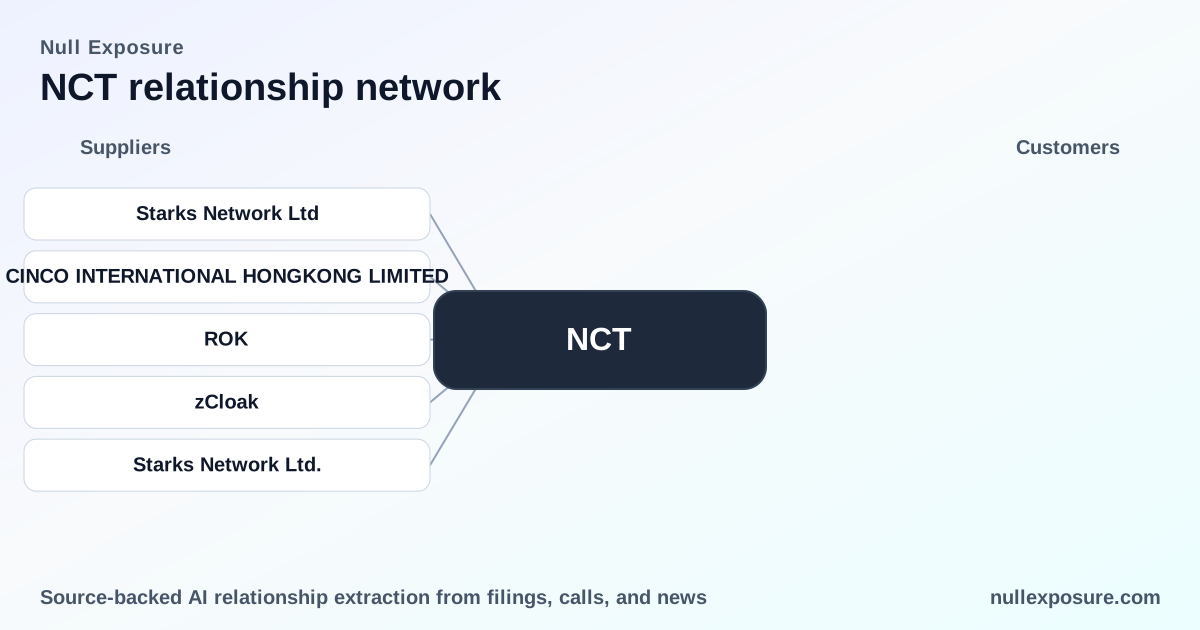
Starks Network Ltd / Starks Network Ltd.
Intercont has announced plans to acquire a minority stake in Starks Network Ltd, a Singapore-based Web3 service provider connected to the zCloak Network; the MOU outlines exploration of tokenizing real-world assets and on-chain infrastructure for compliant asset solutions. This was reported in a December 8, 2025 memorandum noted by maritimefairtrade.org and covered in The Digital Ship reporting on the planned acquisition in FY2025.
CINCO INTERNATIONAL HONGKONG LIMITED
Intercont’s Singapore subsidiary Openwindow entered into a strategic partnership with CINCO INTERNATIONAL HONGKONG LIMITED to acquire ro-ro vessels aimed at expanding the group’s green shipping segment; multiple press reports from FY2025–FY2026 document the vessel partnership as central to NCT’s low-carbon fleet push. The arrangement is described in QuiverQuant’s write-up of NCT’s 2026 strategic plan and reiterated in GlobeNewswire and Markets/Business Insider coverage (FY2025–FY2026).
Rockwell Automation (ROK)
Intercont disclosed an ESG collaboration with Rockwell Automation in 2024 to integrate automation and ESG-focused technology into its “technology factory ship” concept, signaling industrial technology partnerships for vessel operational efficiency and emissions monitoring. This partnership was announced on GlobeNewswire and referenced in FY2025 materials.
zCloak
zCloak is cited as an AI technology supporter for Intercont’s platform and infrastructure layer strategy; NCT’s public materials designate zCloak’s technology as a core input for connecting compute, data, models, and industry demand. This strategic AI tie was described in the FY2026 strategic plan coverage on QuiverQuant.
(Note: the public reporting shows multiple news items referencing the CINCO partnership across FY2025–FY2026 and two news mentions for Starks Network in FY2025/FY2026; each source is cited in the notes above.)
What investors should watch in supplier agreements
- Governance of minority investments. A minority stake in a Web3 provider reduces capital outlay but raises control and indemnity questions; ensure clear contractual remedies for IP access, data rights, and compliance.
- Revenue attribution and margin uplift. Vessel partnerships should increase earnings visibility; monitor charter terms and whether contracted rates secure margin improvements versus spot market exposure.
- Regulatory and market risk on tokenization. On-chain real-world asset products are strategically valuable but legally complex—compliance frameworks and custodial choices are critical.
- Operational integration with industrial partners. The Rockwell tie suggests NCT prioritizes industrial automation and emissions monitoring—contracts that lock in upgrade/access fees will be a durable value source if implemented.
Key takeaway: these relationships signal a shift toward platform-enabled services layered on a capital-intensive shipping business—this provides upside optionality but elevates execution and regulatory risk.
Financial context and ownership signals
NCT’s reported figures show a modest market capitalization reported at $4,350,100 and Revenue TTM of $25,135,700, with an Operating Margin TTM of 23.6% and Profit Margin of 12.3%. Institutional ownership is low (about 1.14%), indicating limited institutional scrutiny and higher sensitivity to news-driven re-rating. These metrics position NCT as a small-cap operator executing a strategic pivot where partnerships and minority investments will materially affect future valuation if successful.
Actionable next steps for investors and operators
- Validate commercial terms: request copies of vessel partnership contracts and minority-investment MOUs to confirm revenue sharing, termination rights, and governance.
- Stress-test regulatory compliance for any tokenization initiative, including custody, KYC/AML, and securities law exposure where zCloak or Starks-derived infrastructure is used.
- Monitor operational KPIs from Rockwell-related implementations—fuel, emissions, and automation gains will be early evidence of sustainable margin improvement.
For a detailed supplier risk profile and to track new relationship disclosures, visit https://nullexposure.com/. If you want a tailored brief or model of how these partnerships can change cashflow sensitivity, commission a supplier risk briefing through https://nullexposure.com/.
Bottom line
Intercont is executing a clear strategy: preserve and grow shipping cashflows while buying optionality through technology and green-asset partnerships. That approach increases potential upside but concentrates execution risk in a small set of strategic suppliers and minority investments. For business users and research teams, the critical diligence items are commercial governance, regulatory controls for on-chain initiatives, and the tangible earnings deliverables tied to vessel partnerships. For ongoing monitoring and supplier intelligence, start at https://nullexposure.com/.