Orchestra BioMed (OBIO): Supplier relationships that determine commercial optionality
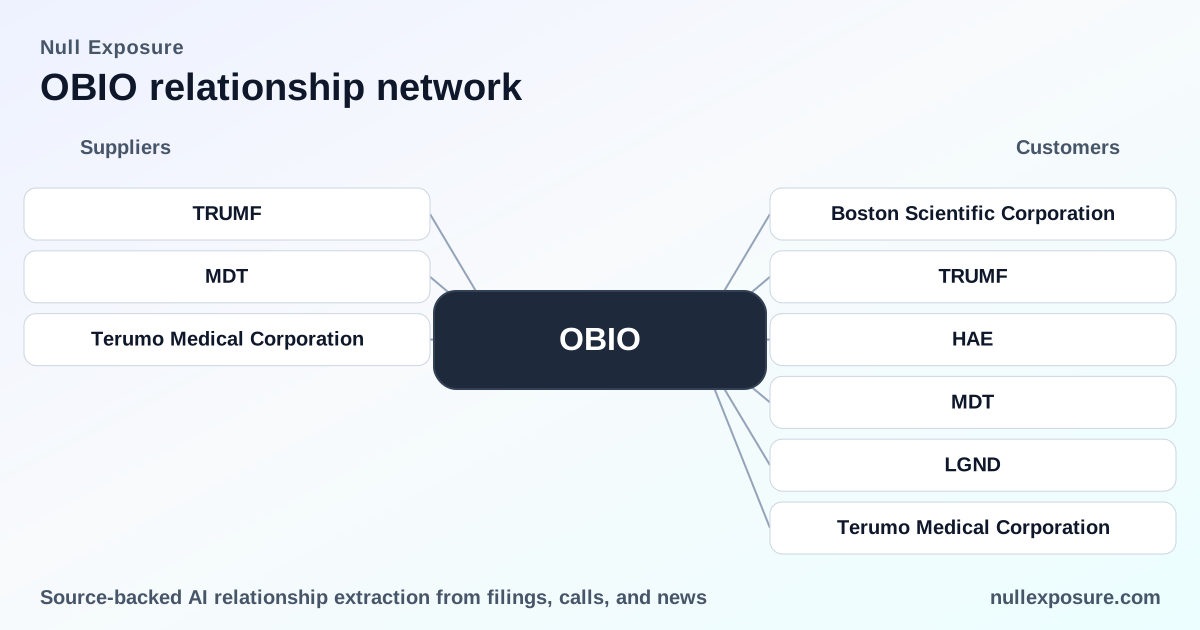
Orchestra BioMed operates as a therapeutic device company focused on cardiovascular interventions and monetizes through a hybrid model of partnered development, sponsored pivotal clinical programs, and eventual product sales. Revenue today reflects clinical and early commercial activity; long‑term value depends on successful commercialization of lead programs (AVIM-enabled leadless pacemakers, Virtue SAB) and the company’s ability to scale manufacturing through third‑party suppliers and strategic partners. For investors requiring supplier-level diligence and scenario analysis, this profile isolates the counterparties that will materially influence time‑to‑market, margins, and regulatory risk. For further supplier mapping and exposure analytics, visit NullExposure.
What the counterparty list tells an investor
Orchestra’s commercial pathway is partner‑centric. The company leverages large medtech collaborators for development, clinical support, and potential commercialization while outsourcing critical manufacturing and logistics to ISO‑certified third parties. These relationships increase technical capability and credibility but concentrate operational risk in a small set of external suppliers, including APAC‑based manufacturers for key components.
Terumo Corporation — partner for Virtue SAB development and commercialization
Orchestra has an active collaboration with Terumo Corporation to develop and commercialize the Virtue SAB stent and related products for coronary and peripheral artery disease, positioning Terumo as a strategic channel and scale partner for device commercialization. Source: Finviz news report citing the Terumo collaboration (March 10, 2026): https://finviz.com/news/265196/td-cowen-initiates-orchestra-biomed-obio-cites-high-margin-potential-in-lead-cardiovascular-programs.
Terumo Medical Corporation — manufacturing and commercialization role for Virtue SAB
Terumo Medical Corporation is listed alongside Terumo Corporation in Orchestra’s Virtue SAB program, indicating both corporate and operating‑unit level engagement for regulatory, manufacturing, or distribution execution on that product line. Source: Finviz news report referencing Terumo Medical’s role (March 10, 2026): https://finviz.com/news/265196/td-cowen-initiates-orchestra-biomed-obio-cites-high-margin-potential-in-lead-cardiovascular-programs.
Medtronic — development, clinical and regulatory support on AVIM and BACKBEAT
Medtronic provides development, clinical, and regulatory support to Orchestra’s BACKBEAT global pivotal study and has expanded collaboration to establish a pathway for AVIM Therapy‑enabled leadless pacemakers, making Medtronic a critical co‑developer and potential commercialization partner for Orchestra’s leadless device strategy. Source: DiCardiology report on FDA IDE for BACKBEAT and Medtronic collaboration (FY2023): https://www.dicardiology.com/content/orchestra-biomed-granted-fda-approval-ide-initiate-backbeat-pivotal-study-backbeat-cnt.
Medtronic (additional citation) — expanded partnership and development pathway
A separate news mention reconfirms Orchestra’s expanded partnership with Medtronic to develop AVIM Therapy-enabled leadless pacemakers, emphasizing the depth of the alliance and its direct impact on product roadmaps and regulatory strategy. Source: Finviz news mention on the Medtronic expansion (March 10, 2026): https://finviz.com/news/265196/td-cowen-initiates-orchestra-biomed-obio-cites-high-margin-potential-in-lead-cardiovascular-programs.
Operating‑model constraints that investors must price in
Orchestra’s supplier footprint signals several clustered operational characteristics that drive both upside and risk:
-
Concentration risk (single‑source components, APAC exposure). Orchestra sources sirolimus for Virtue SAB from a single manufacturer in China and angioplasty balloons from a single manufacturer in Singapore. This creates high supplier concentration for critical inputs and exposes the company to regional disruption risk. Evidence: company disclosures noting single manufacturers in China and Singapore.
-
Materiality of supply disruptions. Orchestra acknowledges that disruptions in those supply locations could have a material adverse effect on the business, defining these suppliers as critical to development and commercial timelines.
-
Contracting posture: outsourced manufacturing and certified logistics. Orchestra relies on third‑party manufacturers (examples include an Israel facility and a Michigan supplier for other product lines) and an ISO 13485‑certified U.S. logistics provider for warehousing and distribution, indicating a vendor‑managed production model with quality‑system governance rather than captive manufacturing.
-
Criticality and maturity of relationships. Orchestra uses long‑standing manufacturing partners for several products, with examples of partners delivering high on‑time order rates and ISO certification; relationships are operationally mature for existing commercial lines but still active and evolving for programs in pivotal study stages.
-
Relationship stage: active and operational. Orchestra expects to continue third‑party manufacturing for commercial supply, which keeps supplier relationships in an active, operational posture rather than in exploratory or one‑off consulting stages.
These constraints combine into a risk profile where regulatory and supplier continuity are as material to valuation as clinical outcomes.
For investors who want a systematic supplier risk scorecard and ongoing monitoring, see NullExposure for in‑depth supplier analytics and alerts.
Financial and strategic implications
Orchestra’s capital market profile reflects a small‑cap biotech with pronounced upside tied to successful partner commercial execution: market capitalization roughly $257M, negative EPS and EBITDA consistent with development and early commercialization expense, and a high EV/Revenue multiple (EV/Revenue ~62.9) that prices future growth and margin expansion. Securing robust, redundant supply lines in APAC and strengthening commercialization agreements with partners like Medtronic and Terumo are the key operational levers that convert clinical wins into durable margins. Analyst positioning is tilted positive with an aggregate target price around $12.57 and majority buy/strong buy ratings, signaling market expectations that partnership outcomes will validate the premium.
What investors should monitor next
- Regulatory and clinical readouts from the BACKBEAT pivotal study and any AVIM Therapy milestones with Medtronic; clinical success will unlock commercialization pathways and partner revenue sharing.
- Contract updates with Terumo for Virtue SAB commercialization, including pricing and territory rights that directly impact margin capture.
- Supplier continuity in APAC: any notifications about alternate sourcing for sirolimus or angioplasty balloons, and contingency inventory levels.
- Manufacturing scale‑up performance from ISO‑certified partners (on‑time delivery, quality audits) and logistics throughput in the U.S.
Actionable steps: subscribe for ongoing supplier alerts and counterparty risk scoring at NullExposure.
Bottom line
Orchestra BioMed’s strategic model converts clinical innovation into commercial potential largely through deep partnerships with tier‑one medtech firms and outsourced manufacturing. That structure delivers technical scale and commercialization reach but concentrates operational risk in a handful of critical suppliers—notably APAC manufacturers for key inputs. For investors, the binary that will determine returns is clear: clinical and regulatory progress with Medtronic and Terumo converts the current premium valuation into revenue and margin; supply‑chain disruptions or failure to secure commercialization terms will compress upside. Track partner milestones, supplier redundancy actions, and manufacturing KPIs as your primary signals.