Processa Pharmaceuticals (PCSA): what suppliers investors should know
Processa Pharmaceuticals is a clinical‑stage biopharmaceutical company that develops oncology drug candidates and currently generates no product revenue; it monetizes through licensing of drug assets and eventual commercialization or partner deals if its candidates clear clinical and regulatory milestones. Operationally, Processa outsources virtually all clinical development and manufacturing — relying on contract research organizations (CROs), contract manufacturing organizations (CMOs), and external investor‑relations/media vendors to run trials and manage market communications. For investors evaluating supplier risk, the combination of zero internal manufacturing, active CRO commitments and paid IR services defines both the cost profile and the most immediate operational dependencies. Read more on how our supplier mapping can inform diligence at https://nullexposure.com/.
How Processa runs the business and why suppliers matter
Processa does not own manufacturing facilities and has licensed assets from third parties while contracting external CROs for clinical programs; these are not peripheral relationships — they are core to delivery. The company's SEC disclosures show explicit license agreements (allowing development, manufacture and commercialization of certain drug assets) and repeated acknowledgements that third parties provide cGMP clinical and potential commercial supply. This creates a contracting posture characterized by:
- High criticality: third‑party manufacturing and CRO services are essential to progress and commercialization.
- Multi‑vendor reliance: Processa uses multiple CMOs and CROs rather than a single captive source, which distributes operational risk but raises coordination complexity.
- Material spend and obligations: public statements record contractual obligations into the tens of millions for clinical services and smaller prepaid advances, indicating active, committed spend.
- Active relationships: vendor agreements are in place and are currently driving the NGC‑Cap Phase 2 program rather than being prospective only.
These signals matter to investors because delays or quality issues at suppliers would directly slow clinical readouts and increase cash burn. If you want an integrated supplier risk snapshot, start here: https://nullexposure.com/.
What the constraints tell investors (company‑level signals)
Company disclosures provide direct evidence of Processa’s supplier model rather than isolated anecdotes. License agreements are embedded in the company’s intellectual property strategy and allow external partners to manufacture and commercialize assets. Processa explicitly states dependency on third‑party CMOs for cGMP materials and concedes the absence of owned manufacturing capacity. The company lists contractual CRO obligations of approximately $12.2 million (as of Dec 31, 2024) and discloses prepaid vendor balances (~$1.3 million), indicating committed cash outflows. Materiality is high: Processa is “completely dependent” on third parties for manufacture, which is a structural risk to timing and margins. Finally, spend references cluster across three bands — $100k–$1m, $1m–$10m, and $10m–$100m — reflecting a mix of small vendor fees and larger multi‑year CRO contracts.
Supplier relationship coverage: RedChip Companies (full press‑release log)
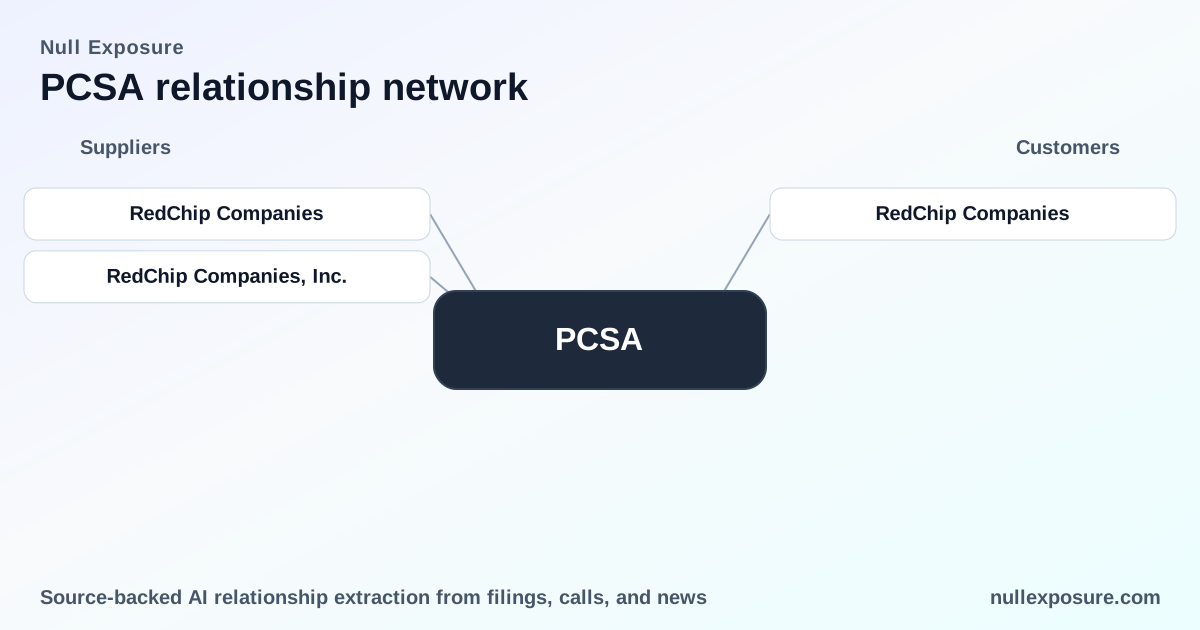
All relationship records returned for the supplier scope point to Processa’s public engagement with RedChip Companies (an investor relations/media firm). Each press release or news item below identifies Processa as a client of RedChip or lists RedChip as an investor‑relations contact; each entry is shown with the original press release source and fiscal period as reported.
- Processa and SXTP are clients of RedChip Companies — press release on SavannahNow (FY2026). Source: https://www.savannahnow.com/press-release/story/15476/processa-pharmaceuticals-and-60-degrees-pharmaceuticals-interviews-to-air-on-the-redchip-small-stocks-big-moneytm-show-on-bloomberg-tv/ (2026).
- Processa and SXTP are clients of RedChip Companies — press release on LincolnCourier (FY2026). Source: https://www.lincolncourier.com/press-release/story/228866/processa-pharmaceuticals-and-60-degrees-pharmaceuticals-interviews-to-air-on-the-redchip-small-stocks-big-moneytm-show-on-bloomberg-tv/ (2026).
- AENT and PCSA are clients of RedChip Companies — press release on lohud.com (FY2026). Source: https://www.lohud.com/press-release/story/125667/alliance-entertainment-and-processa-pharmaceuticals-interviews-to-air-on-the-redchip-small-stocks-big-moneytm-show-on-bloomberg-tv/ (2026).
- PCSA and SXTP are clients of RedChip Companies — press release on The Chieftain (FY2025). Source: https://www.chieftain.com/press-release/story/73365/processa-pharmaceuticals-and-60-degrees-pharmaceuticals-interviews-to-air-on-the-redchip-small-stocks-big-moneytm-show-on-bloomberg-tv/ (2025).
- PCSA and SXTP are clients of RedChip Companies — press release on MyCentralJersey (FY2025). Source: https://www.mycentraljersey.com/press-release/story/343286/processa-pharmaceuticals-and-60-degrees-pharmaceuticals-interviews-to-air-on-the-redchip-small-stocks-big-moneytm-show-on-bloomberg-tv/ (2025).
- PCSA and SXTP are clients of RedChip Companies — press release on RegisterGuard (FY2026). Source: https://www.registerguard.com/press-release/story/15592/processa-pharmaceuticals-and-60-degrees-pharmaceuticals-interviews-to-air-on-the-redchip-small-stocks-big-moneytm-show-on-bloomberg-tv/ (2026).
- PCSA and SXTP are clients of RedChip Companies — press release on FayObserver naming RedChip Companies, Inc. (FY2025). Source: https://www.fayobserver.com/press-release/story/39653/processa-pharmaceuticals-and-60-degrees-pharmaceuticals-interviews-to-air-on-the-redchip-small-stocks-big-moneytm-show-on-bloomberg-tv/ (2025).
- PCSA and SXTP are clients of RedChip Companies — press release on Gainesville (FY2025). Source: https://www.gainesville.com/press-release/story/65065/processa-pharmaceuticals-and-60-degrees-pharmaceuticals-interviews-to-air-on-the-redchip-small-stocks-big-moneytm-show-on-bloomberg-tv/ (2025).
- PCSA and SXTP are clients of RedChip Companies — press release on TimesOnline (FY2025). Source: https://www.timesonline.com/press-release/story/15398/processa-pharmaceuticals-and-60-degrees-pharmaceuticals-interviews-to-air-on-the-redchip-small-stocks-big-moneytm-show-on-bloomberg-tv/ (2025).
- AENT and PCSA are clients of RedChip Companies — press release on SouthBendTribune (FY2026). Source: https://www.southbendtribune.com/press-release/story/15540/alliance-entertainment-and-processa-pharmaceuticals-interviews-to-air-on-the-redchip-small-stocks-big-moneytm-show-on-bloomberg-tv/ (2026).
- AENT and PCSA are clients of RedChip Companies — press release on GreenBayPressGazette (FY2026). Source: https://www.greenbaypressgazette.com/press-release/story/80018/alliance-entertainment-and-processa-pharmaceuticals-interviews-to-air-on-the-redchip-small-stocks-big-moneytm-show-on-bloomberg-tv/ (2026).
- AENT and PCSA are clients of RedChip Companies — press release on ProvidenceJournal (FY2026). Source: https://www.providencejournal.com/press-release/story/18808/alliance-entertainment-and-processa-pharmaceuticals-interviews-to-air-on-the-redchip-small-stocks-big-moneytm-show-on-bloomberg-tv/ (2026).
- AENT and PCSA are clients of RedChip Companies — press release on Record‑Courier (FY2026). Source: https://www.record-courier.com/press-release/story/18774/alliance-entertainment-and-processa-pharmaceuticals-interviews-to-air-on-the-redchip-small-stocks-big-moneytm-show-on-bloomberg-tv/ (2026).
- AENT and PCSA are clients of RedChip Companies — press release on GreenvilleOnline (FY2026). Source: https://www.greenvilleonline.com/press-release/story/97346/alliance-entertainment-and-processa-pharmaceuticals-interviews-to-air-on-the-redchip-small-stocks-big-moneytm-show-on-bloomberg-tv/ (2026).
- PCSA and SXTP are clients of RedChip Companies — press release on ColumbiaDailyHerald (FY2025). Source: https://www.columbiadailyherald.com/press-release/story/51586/processa-pharmaceuticals-and-60-degrees-pharmaceuticals-interviews-to-air-on-the-redchip-small-stocks-big-moneytm-show-on-bloomberg-tv/ (2025).
- AENT and PCSA are clients of RedChip Companies — press release on SavannahNow (FY2026). Source: https://www.savannahnow.com/press-release/story/18994/alliance-entertainment-and-processa-pharmaceuticals-interviews-to-air-on-the-redchip-small-stocks-big-moneytm-show-on-bloomberg-tv/ (2026).
- PCSA and SXTP are clients of RedChip Companies — press release on BeaconJournal (FY2025). Source: https://www.beaconjournal.com/press-release/story/129102/processa-pharmaceuticals-and-60-degrees-pharmaceuticals-interviews-to-air-on-the-redchip-small-stocks-big-moneytm-show-on-bloomberg-tv/ (2025).
- PCSA and SXTP are clients of RedChip Companies — press release on CourierPress (FY2026). Source: https://www.courierpress.com/press-release/story/57860/processa-pharmaceuticals-and-60-degrees-pharmaceuticals-interviews-to-air-on-the-redchip-small-stocks-big-moneytm-show-on-bloomberg-tv/ (2026).
- AENT and PCSA are clients of RedChip Companies — press release on DailyRecord (FY2026). Source: https://www.dailyrecord.com/press-release/story/40699/alliance-entertainment-and-processa-pharmaceuticals-interviews-to-air-on-the-redchip-small-stocks-big-moneytm-show-on-bloomberg-tv/ (2026).
- PCSA and 60 Degrees Pharmaceuticals interviews to air on RedChip/Bloomberg — press release on NewsHerald (FY2026). Source: https://www.newsherald.com/press-release/story/16914/processa-pharmaceuticals-and-60-degrees-pharmaceuticals-interviews-to-air-on-the-redchip-small-stocks-big-moneytm-show-on-bloomberg-tv/ (2026).
- AENT and PCSA are clients of RedChip Companies — press release on AugustaChronicle (FY2026). Source: https://www.augustachronicle.com/press-release/story/83160/alliance-entertainment-and-processa-pharmaceuticals-interviews-to-air-on-the-redchip-small-stocks-big-moneytm-show-on-bloomberg-tv/ (2026).
- PCSA and SXTP are clients of RedChip Companies — press release on Courier‑Journal (FY2025). Source: https://www.courier-journal.com/press-release/story/120707/processa-pharmaceuticals-and-60-degrees-pharmaceuticals-interviews-to-air-on-the-redchip-small-stocks-big-moneytm-show-on-bloomberg-tv/ (2025).
- PCSA and SXTP are clients of RedChip Companies — press release on ElPasoTimes (FY2025). Source: https://www.elpasotimes.com/press-release/story/98508/processa-pharmaceuticals-and-60-degrees-pharmaceuticals-interviews-to-air-on-the-redchip-small-stocks-big-moneytm-show-on-bloomberg-tv/ (2025).
- AENT and PCSA are clients of RedChip Companies — press release on HattiesburgAmerican (FY2026). Source: https://www.hattiesburgamerican.com/press-release/story/57403/alliance-entertainment-and-processa-pharmaceuticals-interviews-to-air-on-the-redchip-small-stocks-big-moneytm-show-on-bloomberg-tv/ (2026).
- AENT and PCSA are clients of RedChip Companies — press release on HeraldMailMedia (FY2026). Source: https://www.heraldmailmedia.com/press-release/story/42457/alliance-entertainment-and-processa-pharmaceuticals-interviews-to-air-on-the-redchip-small-stocks-big-moneytm-show-on-bloomberg-tv/ (2026).
- PCSA and SXTP are clients of RedChip Companies — press release on JSONline (FY2025). Source: https://www.jsonline.com/press-release/story/135135/processa-pharmaceuticals-and-60-degrees-pharmaceuticals-interviews-to-air-on-the-redchip-small-stocks-big-moneytm-show-on-bloomberg-tv/ (2025).
- PCSA and SXTP are clients of RedChip Companies — press release on LansingStateJournal (FY2025). Source: https://www.lansingstatejournal.com/press-release/story/968080/processa-pharmaceuticals-and-60-degrees-pharmaceuticals-interviews-to-air-on-the-redchip-small-stocks-big-moneytm-show-on-bloomberg-tv/ (2025).
- PCSA and SXTP are clients of RedChip Companies — press release on MPNNow (FY2026). Source: https://www.mpnnow.com/press-release/story/496426/processa-pharmaceuticals-and-60-degrees-pharmaceuticals-interviews-to-air-on-the-redchip-small-stocks-big-moneytm-show-on-bloomberg-tv/ (2026).
- AENT and PCSA are clients of RedChip Companies — press release on OnlineAthens (FY2026). Source: https://www.onlineathens.com/press-release/story/20365/alliance-entertainment-and-processa-pharmaceuticals-interviews-to-air-on-the-redchip-small-stocks-big-moneytm-show-on-bloomberg-tv/ (2026).
- PCSA and SXTP are clients of RedChip Companies — press release on Pal‑Item (FY2026). Source: https://www.pal-item.com/press-release/story/16915/processa-pharmaceuticals-and-60-degrees-pharmaceuticals-interviews-to-air-on-the-redchip-small-stocks-big-moneytm-show-on-bloomberg-tv/ (2026).
- PCSA and SXTP are clients of RedChip Companies — press release on PatriotLedger (FY2025). Source: https://www.patriotledger.com/press-release/story/13808/processa-pharmaceuticals-and-60-degrees-pharmaceuticals-interviews-to-air-on-the-redchip-small-stocks-big-moneytm-show-on-bloomberg-tv/ (2025).
- PCSA and SXTP are clients of RedChip Companies — press release on PontiacDailyLeader (FY2025). Source: https://www.pontiacdailyleader.com/press-release/story/16830/processa-pharmaceuticals-and-60-degrees-pharmaceuticals-interviews-to-air-on-the-redchip-small-stocks-big-moneytm-show-on-bloomberg-tv/ (2025).
- PCSA and SXTP are clients of RedChip Companies — press release on ProgressIndex (FY2026). Source: https://www.progress-index.com/press-release/story/15607/processa-pharmaceuticals-and-60-degrees-pharmaceuticals-interviews-to-air-on-the-redchip-small-stocks-big-moneytm-show-on-bloomberg-tv/ (2026).
- AENT and PCSA are clients of RedChip Companies — press release on VCStar (FY2026). Source: https://www.vcstar.com/press-release/story/19101/alliance-entertainment-and-processa-pharmaceuticals-interviews-to-air-on-the-redchip-small-stocks-big-moneytm-show-on-bloomberg-tv/ (2026).
- Investor Relations contact lists Dave Gentry at RedChip Companies and an IR email (PCSA@redchip.com) — press release on GlobeNewswire (Processa to attend JP Morgan Healthcare Conference) (FY2026). Source: https://www.globenewswire.com/news-release/2026/01/12/3217020/0/en/Processa-Pharmaceuticals-to-Attend-44th-Annual-J-P-Morgan-Healthcare-Conference.html (2026).
- PCSA and SXTP are clients of RedChip Companies — press release on LDNews (FY2026). Source: https://www.ldnews.com/press-release/story/541166/alliance-entertainment-and-processa-pharmaceuticals-interviews-to-air-on-the-redchip-small-stocks-big-moneytm-show-on-bloomberg-tv/ (2026).
- Investor Relations contact lists Dave Gentry at RedChip Companies and an IR email — news post on SahmCapital (FY2026). Source: https://www.sahmcapital.com/news/content/processa-pharmaceuticals-to-attend-44th-annual-jp-morgan-healthcare-conference-2026-01-12 (2026).
- AENT and PCSA are clients of RedChip Companies — press release on TCPalm (FY2026). Source: https://www.tcpalm.com/press-release/story/18930/alliance-entertainment-and-processa-pharmaceuticals-interviews-to-air-on-the-redchip-small-stocks-big-moneytm-show-on-bloomberg-tv/ (2026).
- PCSA and SXTP are clients of RedChip Companies — press release on LenConnect (FY2025). Source: https://www.lenconnect.com/press-release/story/401882/processa-pharmaceuticals-and-60-degrees-pharmaceuticals-interviews-to-air-on-the-redchip-small-stocks-big-moneytm-show-on-bloomberg-tv/ (2025).
- Investor Relations contact lists Dave Gentry at RedChip Companies and an IR email — GlobeNewswire clinical update (NGC‑Cap enrollment) (FY2026). Source: https://www.globenewswire.com/news-release/2026/01/05/3212860/0/en/Processa-Pharmaceuticals-Completes-Enrollment-of-20th-Patient-For-Formal-Interim-Analysis-in-Phase-2-NGC-Cap-Breast-Cancer-Study.html (2026).
(These items are consistent: RedChip is listed repeatedly as Processa’s IR/media partner and as the point of contact for investor inquiries in early 2026 press activity.)
What investors should conclude from the RedChip relationship
- Communications channel established: RedChip serves as Processa’s IR/media conduit for conference and press appearances (JP Morgan and Bloomberg placements were promoted through RedChip contact lines). This reduces informational friction between management and market but does not alter clinical or manufacturing risk.
- Low operational risk, high disclosure impact: RedChip’s role is not operational manufacturing or trial conduct; it affects visibility and investor perception rather than drug development execution. Relying on a reputable IR vendor improves messaging control but does not mitigate dependency on CROs/CMOs.
If you are conducting deeper counterparty due diligence on Processa, focus on CRO and CMO counterparties and their regulatory track records; communications vendors are secondary in impact but relevant for market access.
For a consolidated supplier risk profile and contract exposure briefing, visit https://nullexposure.com/ to request the full supplier map and disclosure extracts.
Bottom line and next steps
Processa is a licensing‑driven, outsourced developer: commercial upside depends on clinical success and successful transfer to contract manufacturers, while near‑term cash flows are dominated by CRO commitments and IR costs. Investors must prioritize supplier quality, regulatory history of CMOs and the fulfillment schedule of CRO contracts when forecasting timelines and cash burn.
If you need a tailored supplier risk brief for PCSA or a comparison across peer biotechs, begin your request at https://nullexposure.com/.