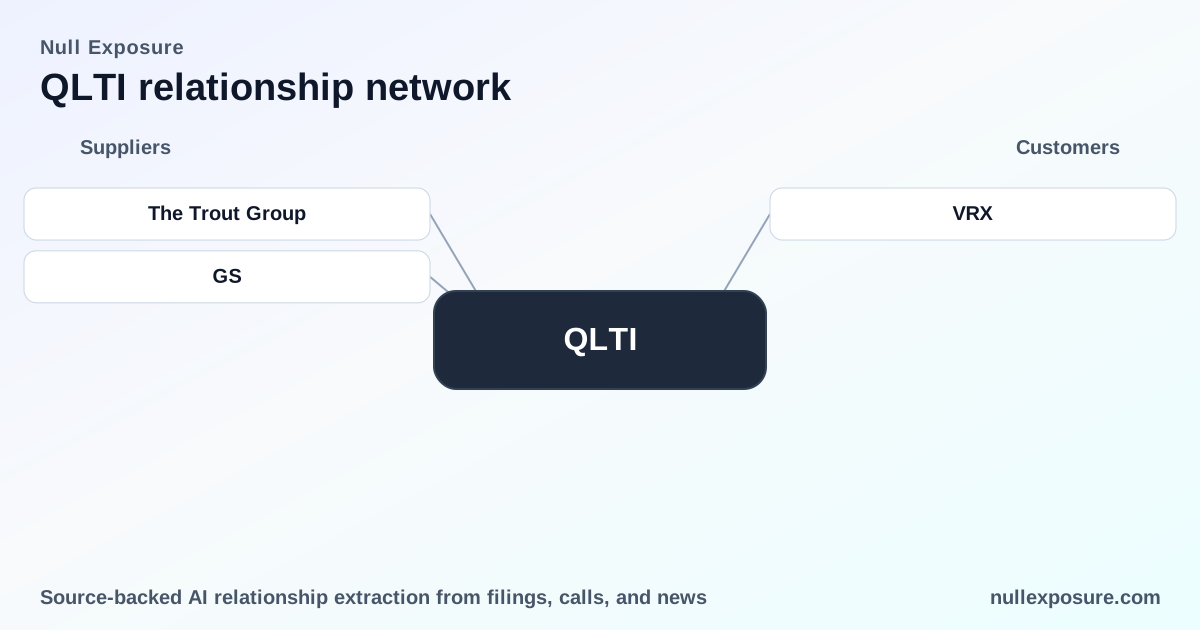
QLTI supplier relationships: what investors should know
QLTI monetizes by commercializing and transacting specialized ophthalmic products and related intellectual property — most visibly the Visudyne oncology/ophthalmology franchise and a Punctal Plug Delivery System — and by using corporate transactions (sales, spin-outs, or partnerships) to realize value. The company’s supplier and advisor footprint in public records is small but strategically revealing: transaction advisory roles and investor‑relations contacts dominate the visible supplier set, which signals a company oriented toward monetization events and external capital‑market engagement rather than routine manufacturing disclosures.
For immediate access to an expanded supplier view, visit https://nullexposure.com/.
Why this supplier list matters to active investors
Supplier lists often reveal where operational risk, concentration, and strategic direction live. In QLTI’s case, the public supplier mentions are not raw contract counterparty disclosures — they are signals of transaction activity and market outreach. That pattern changes how you underwrite both near‑term liquidity and longer‑term operating cash flow.
The Trout Group
The Trout Group shows up as an investor‑relations contact for QLT in public reporting. The mention lists two contact names and telephone details and is recorded in FY2011. This is a classic sign that management engaged external IR support or used a third‑party contact point for market communications, which improves transparency for capital markets but does not by itself disclose supply chain exposure. (Source: NBC News investor contact listing, FY2011.)
Goldman Sachs
RTTNews recorded that QLT retained Goldman Sachs (GS) in FY2012 to explore the sale or spin‑out of the Punctal Plug Delivery System and to evaluate options for the Visudyne business, including potential partnerships or divestiture. Engaging a major investment bank confirms an explicit strategic intent to monetize or restructure product assets and elevates the probability of near‑term transactional outcomes that materially affect supplier contracts, licensing arrangements, and revenue composition. (Source: RTTNews, FY2012.)
What the public supplier footprint implies about operating posture
There are no formal supplier constraints reported in the dataset for QLTI — no disclosed limits on contract length, no flagged concentration thresholds, and no regulatory holdbacks captured by this feed. Treat that absence as a company‑level signal: the public record available to investors emphasizes capital‑markets activity over detailed procurement transparency.
From that signal, several operating characteristics follow:
- Contracting posture: QLTI’s visible posture is strategic and transactional rather than long‑term procurement disclosure; the company uses advisors to reshape its asset base, implying contracts could be renegotiated or novated as assets are sold or spun out.
- Concentration risk: The public mentions concentrate on a few product assets rather than a distributed supplier base, indicating revenue and supplier criticality will be product‑centric; if Visudyne or the Punctal Plug system represents a material share of cash flow, counterparties supporting those products will be critical even if not named here.
- Criticality and continuity: The presence of sell‑side advisory work implies management considers structural changes to core assets — a process that creates short‑term execution risk for supplier continuity and long‑term changes in counterparty criticality.
- Maturity and disclosure: Engagement of prominent IR and advisory firms indicates a company comfortable with capital‑market processes; however, the lack of granular supplier constraints suggests limited public disclosure on operational dependencies, so diligence will need to push beyond publicly reported contacts.
Practical investor takeaways and next steps
- Transaction risk is dominant. Given Goldman Sachs’ advisory role, investors should expect near‑term announcements that could change revenue mix, contract assignment, and counterparty risk.
- Supplier transparency is limited. The Trout Group IR contact strengthens market communications but does not replace detailed supplier diligence; ask management for a supplier schedule and transition plans tied to any divestiture.
- Concentration focus. Focus diligence on counterparties related to Visudyne and the Punctal Plug Delivery System; those relationships are likely to be the principal operational levers.
For a concise supplier risk dashboard and ongoing monitoring, go to https://nullexposure.com/.
- Validate whether contracts for the named product lines contain change‑of‑control provisions or assignment restrictions that could affect valuation or operational continuity.
- Request a short list of critical suppliers and service providers (manufacturing, distribution, regulatory support) and their contract tenors and exclusivity clauses.
- Monitor any bank‑led sale process for timelines that could pressure cash flows or trigger contingent liabilities.
How to use this in supplier diligence
When you meet management or run a vendor audit, lead with transaction scenarios: ask how the company will execute supplier notifications and contract transfers if a sale occurs, and whether bridge financing or earn‑outs create successor obligations. Assess operational resilience for the product lines identified in public filings, and demand evidence of contingency plans for manufacturing and distribution continuity.
Closing guidance
QLTI’s public supplier trail is short but meaningful: investment‑bank engagement and investor relations contacts indicate a company executing asset monetization and market communication strategies rather than disclosing a broad supplier network. That focus creates event‑driven risk and opportunity — transactional outcomes could rapidly change counterparty criticality and revenue composition.
For supply‑side due diligence that keeps pace with corporate transaction timelines, start your review now at https://nullexposure.com/.
Key sources referenced: an NBC News investor contact listing (FY2011) for The Trout Group and an RTTNews report (FY2012) noting Goldman Sachs’ retention to explore sale or spin‑out of specific product lines.