SLMT — Supplier Relationships and What Investors Should Know
Brera Holdings PLC (ticker SLMT in market records) is listed as a small-cap operator in the entertainment sector that develops, manages, and operates football clubs and monetizes through matchday revenue, player trading and commercial rights. Its public financial profile shows very limited operating revenue, negative profitability, and a market capitalization that implies investors are pricing upside well beyond current cash flows. The ticker is also referenced in market coverage tied to token procurement activity, indicating non‑traditional supplier relationships that change the company's risk profile. For more structured intelligence on supplier links and counterparty exposure, visit https://nullexposure.com/.
The short business thesis: what the company does and how it earns money
SLMT’s reported business model centers on sports club operations and associated commercial activities with modest recurring revenue today. Revenue is small relative to market valuation and profitability is negative, so equity value relies on operational turnaround, asset sales (player transfers), or alternative asset appreciation. According to the company's reported position through Q2 2025, trailing revenue is approximately $2.67 million with negative EBITDA and diluted EPS of -2.72, indicating early-stage operations and capital intensity.
Quick signals that shape supplier risk and contracting posture
- Concentration and float: Public data show a very small shares float relative to total shares outstanding, paired with significant insider and institutional ownership — a sign of concentrated share control and potential liquidity constraints.
- Volatility and valuation: With a beta near 2.8 and price-to-sales of nearly 30, the equity is priced for growth or episodic value events, not steady operational cash flow.
- Maturity and margins: Negative operating and net margins indicate immature margin economics; supplier agreements that introduce variable costs or token holdings compound earnings volatility.
- Contracting posture: The company profile and recent market coverage suggest SLMT engages in opportunistic purchases and non‑traditional supplier agreements (including token acquisitions), implying transactional, event-driven supplier relationships rather than long-term, cost‑plus procurement contracts.
How the market linked SLMT to the Solana Foundation
A FinancialContent market report on March 10, 2026 described the transaction headline: "Solmate Infrastructure (SLMT) Makes Historic Purchase of Discounted $SOL from the Solana Foundation as Cathie Wood’s Ark Invest Discloses Significant Position" (https://markets.financialcontent.com/stocks/quote?Symbol=NQ%3ASLMT). This coverage establishes a market perception that the SLMT ticker is associated with a direct token purchase from a protocol foundation, transforming a supplier/counterparty relationship into an asset‑level exposure.
Every reported supplier relationship (one entry, succinct coverage)
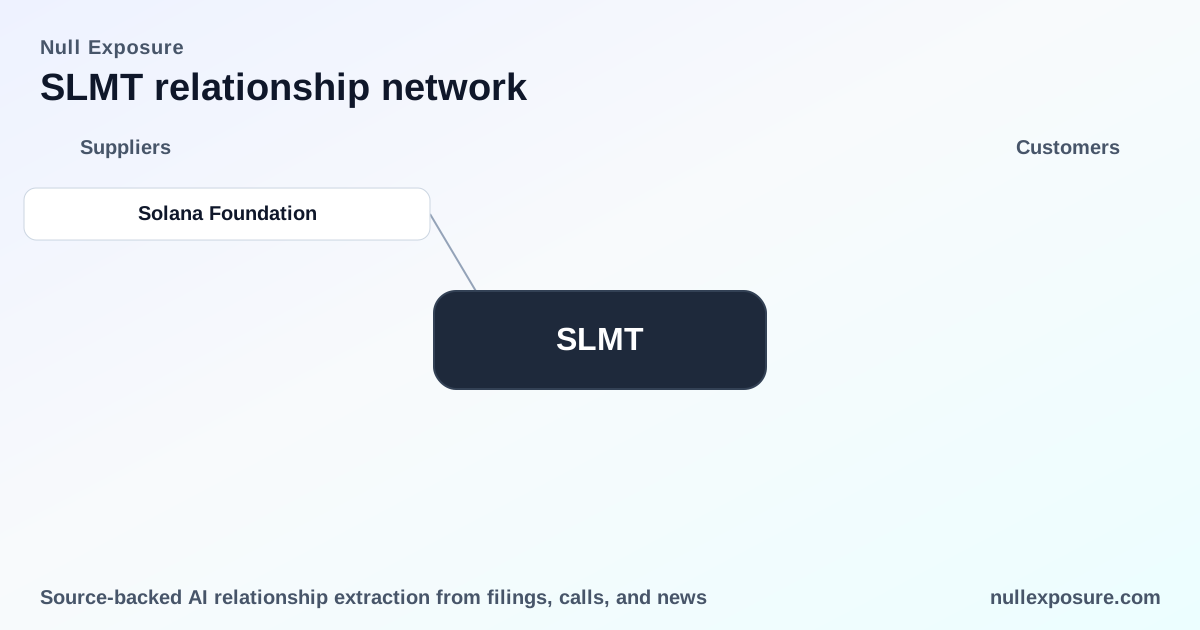
Solana Foundation — Market coverage reports that SLMT (referenced as Solmate Infrastructure in the note) completed a purchase of discounted SOL tokens directly from the Solana Foundation, a transaction framed as significant in market headlines and timed with large institutional disclosures. This relationship converts a supplier interaction into a liquidity and custody event: the counterparty is a protocol foundation selling native tokens, and the commercial terms reportedly included a purchase at a discount. Source: FinancialContent market report, March 10, 2026 (https://markets.financialcontent.com/stocks/quote?Symbol=NQ%3ASLMT).
What that supplier link implies for investors
The Solana Foundation transaction changes the risk map for SLMT in multiple ways:
- Asset exposure: Buying discounted SOL establishes material crypto‑asset holdings on SLMT’s balance sheet, introducing market price volatility and custody/operational security requirements that are outside a traditional sports operator’s competency.
- Counterparty and reputational risk: Direct purchases from a protocol foundation are not the same as standard supplier contracts; settlement mechanisms, lockup periods, and resale restrictions can be bespoke and enforce counterparty leverage.
- Accounting and liquidity implications: Token holdings are subject to fair value swings and may be classified differently under accounting rules; earnings and free cash flow volatility will increase, and token illiquidity can constrain the company’s ability to meet working capital needs.
- Strategic signal: The deal signals an opportunistic, event-driven capital allocation strategy rather than a conservative, cashflow-focused procurement posture.
For professional monitoring of counterparty and supplier exposure across tickers, see https://nullexposure.com/.
Investment implications and key risk factors
- Valuation disconnect: With trailing revenue under $3 million and a market cap under $100 million, the market is pricing optionality rather than present cash generation; token purchases amplify the option profile but increase downside risk.
- Liquidity concentration: Extremely small public float versus insider holdings can make price action binary — sharp moves on limited news or token price swings are likely.
- Operational stretch: Managing custody, compliance, and market risk for crypto assets is materially different from running sports clubs; governance and operational control are decisive in determining whether such supplier deals create or destroy shareholder value.
- Regulatory exposure: Direct purchases of tokens from a foundation draw scrutiny in jurisdictions where token sales and securities treatment are contested.
Practical takeaways for supplier diligence teams
- Prioritize verification of contract terms: settlement, lockups, resale rights, and dispute resolution.
- Validate custody arrangements and insurance coverage for token holdings; demand third‑party attestation.
- Measure concentration: how large are token holdings relative to working capital and market cap? High concentration requires separate hedging and reporting protocols.
- Require transparency on valuation policy: how will token fair value be reported and audited?
Final read for investors
SLMT is a small, high‑beta issuer whose market value is driven by event-driven assets and concentrated ownership rather than recurring operating cash flow. The reported purchase from the Solana Foundation transforms a supplier relationship into a balance‑sheet risk that requires active governance, custody assurance, and liquidity planning. For teams evaluating counterparty exposure or building an ongoing supplier watchlist, integrate contractual terms, custody proof, and concentration limits into vendor acceptance criteria.
For ongoing monitoring and supplier relationship intelligence tied to small‑cap tickers, visit https://nullexposure.com/. If you need a tailored supplier exposure report or a watchlist for SLMT and related counterparties, request a consultation at https://nullexposure.com/.