TransAlta (TAC) — Supplier relationships that reshape asset risk and revenue mix
TransAlta operates and monetizes as an independent power producer: it owns, operates and develops a diversified fleet of generation assets across Canada, the United States and Australia, deriving revenue from merchant power sales, contracted capacity and structured deals with large load customers and counterparties. The firm’s commercial strategy blends strategic acquisitions, selective asset divestitures and contractual capacity sales to optimize cash generation and regulatory compliance across regional markets. For investors and operators assessing supplier exposure, the recent deal activity and counterparty contracts reveal both growth pathways and near-term integration risks. Read deeper intelligence at https://nullexposure.com/.
Why recent counterparty moves matter to revenue and risk
TransAlta is actively reshaping its asset base via acquisitions and purchases of capacity rights while responding to competition and regulatory constraints. These transactions directly influence both EBITDA stability and the company’s merchant exposure: acquisitions of gas-fired units increase short-term dispatchable revenue potential, while divestitures tied to competition remedies compress near-term free cash flow but reduce regulatory overhang. The balance of merchant and contracted revenue will determine earnings volatility going forward. For direct access to ongoing supplier intelligence, visit https://nullexposure.com/.
The counterparties you need to know (concise relationship run‑through)
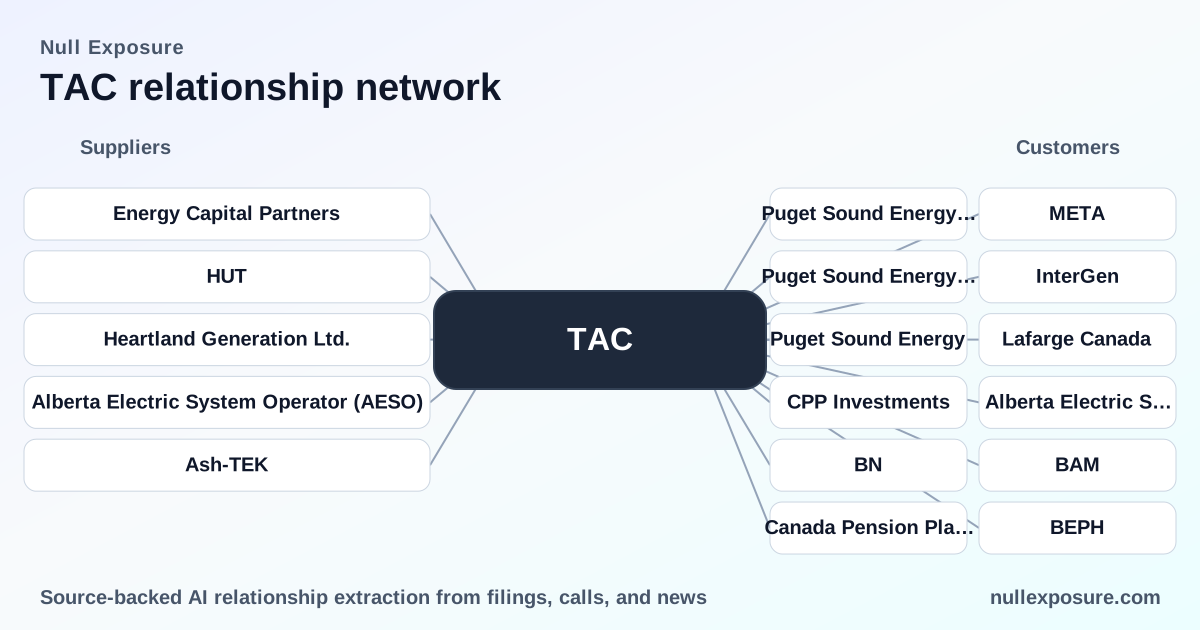
Below are each of the relationships found in the reviewed material with a one-to-two sentence plain-English summary and source.
Energy Capital Partners
TransAlta agreed to reduce the purchase price for the Heartland deal by about $80 million after required divestitures were negotiated as part of regulatory remediation. This price adjustment was reported in March 2026 and reflects the seller/buyer concession needed to secure competition approval. Source: Benefits and Pensions Monitor and The Globe and Mail reporting in March 2026.
Heartland Generation Ltd.
TransAlta adjusted its acquisition structure of Heartland Generation to address Competition Bureau concerns over market concentration in Alberta and British Columbia, prompting mandated divestitures and transactional re‑pricing. This is a material example of regulatory risk translating into purchase price and asset mix changes. Source: The Globe and Mail coverage in March 2026 referencing BNN Bloomberg reporting.
Hut 8 (HUT)
Hut 8 sold four natural‑gas power plants totaling 310 MW in Ontario to TransAlta, adding dispatchable gas capacity to TransAlta’s Canadian portfolio and strengthening its ability to serve large loads. The acquisition increases TransAlta’s short‑term generation flexibility and exposure to merchant gas economics. Source: DataCenterDyanmics reporting in March 2026.
Alberta Electric System Operator (AESO)
TransAlta executed a Demand Transmission Service contract with AESO for 230 MW—the full allocation awarded to the company under Phase I of AESO’s Data Centre Large Load Integration Program—effectively monetizing transmission access to serve large data center customers. This is a firm contractual win that converts awarded capacity into contracted service revenue. Source: TransAlta press release published on GlobeNewswire, November 6, 2025.
Ash‑TEK
TransAlta is implementing Ash‑TEK’s Ponded Ash Beneficiation System (PABS) technology to repurpose landfilled coal fly ash, signaling a move to monetize byproducts and reduce environmental liabilities at legacy coal sites. This is a project-level supplier/technology relationship tied to environmental remediation and asset stewardship. Source: Power Engineering article (project coverage in 2023–2025 reporting).
How these relationships reveal TransAlta’s operating posture
TransAlta’s activity shows a decisive commercial posture: acquisitions to scale dispatchable capacity, contractual wins to secure predictable revenue, and project-level technology partnerships to manage legacy liabilities. Three operating characteristics stand out:
- Contracting posture: TransAlta mixes merchant exposure with targeted long‑term and capacity contracts (AESO deal), signaling an intent to stabilize cash flows while retaining upside from market operations.
- Concentration and criticality: The Heartland transaction required divestitures for competition reasons, underlining that regional concentration in Alberta/B.C. is material and can force price concessions; at the same time, the AESO contract demonstrates that capacity rights to serve data centers are critical and strategically valuable.
- Maturity and integration risk: TransAlta operates at scale with established market access, but recent acquisition activity (Hut 8 assets, Heartland adjustments) introduces integration and regulatory execution risk that will influence near‑term EBITDA realization.
No supplier‑specific constraints were disclosed in the reviewed material; this is a company‑level signal that the public reporting provided did not flag explicit contractual limitations or mandatory supplier concentration metrics beyond normal regulatory remedies.
What investors and operators should watch next
- Integration and regulatory execution: Monitor completion of Heartland divestitures and Hut 8 plant integrations; these steps will dictate the timing of cash flow benefits and any additional purchase price adjustments.
- Contract roll‑outs to large loads: AESO and similar capacity contracts convert awarded allocation into revenue only if transmission and commercial terms are executed cleanly; execution risk is binary and high in dollar impact.
- Legacy liability monetization: The Ash‑TEK relationship is a non‑core revenue opportunity that also reduces environmental and closure costs—watch project milestones for upside to free cash flow and diminished remediation reserves.
For a structured view of all supplier counterparties and rolling updates on material transaction milestones, go to https://nullexposure.com/.
Bottom line: positioning for predictable cash with measured growth risk
TransAlta’s recent supplier and counterparty activity is deliberately aligned to increase dispatchable capacity while locking some of that capacity into contracted frameworks for large industrial loads. That dual strategy supports a transition to more predictable EBITDA over time but creates short‑term execution and regulatory risks related to asset integration and divestitures. For investors prioritizing cash stability, the AESO contract and the successful integration of Hut 8 assets are the positive signals; for active operators and risk managers, the Heartland remediation underscores the ongoing need to model regulatory outcomes into deal valuations.
If you evaluate supplier counterparties or manage exposure to power generation counterparties, continue tracking these relationships and milestone disclosures at https://nullexposure.com/ — the most direct source for consolidated supplier intelligence and ongoing deal flow updates.