Tandy Leather Factory (TLF): Real estate monetization shifts supplier and logistics dynamics
Tandy Leather Factory is a specialty retailer that sources leather and related goods from a broad base of domestic and international vendors, distributes inventory through a centralized Fort Worth distribution center, and monetizes primarily through retail and wholesale sales across North America and Spain. Recent real estate transactions convert fixed assets into liquidity while simultaneously creating a new landlord relationship that is operationally significant because it includes the company’s primary distribution hub. Investors evaluating TLF supplier and service-provider exposure should treat the Colonna Brothers transaction as a strategic liquidity play with immediate implications for logistics continuity and counterparty risk.
For ongoing supplier intelligence and counterparty monitoring, visit https://nullexposure.com/.
The transaction that matters: sale of HQ, distribution center and flagship store
Tandy Leather completed the sale of its corporate headquarters, its primary distribution center, and its flagship retail location to Colonna Brothers, Inc. in March 2026, converting real estate equity into cash while presumably entering a leaseback arrangement to preserve operations. This is a single-counterparty real estate disposition that is operationally material because the asset sold includes the company’s central distribution node. (CityBiz, March 10, 2026).
What this means for sourcing and logistics
Tandy discloses that it purchases merchandise and raw materials from nearly 150 suppliers across the United States and about 20 foreign countries. Its stores receive the majority of inventory from a central distribution center in Fort Worth, Texas, shipped weekly or increasingly bi-monthly, using third-party transportation providers. These facts establish several company-level characteristics:
- Diversified supplier footprint: Roughly 150 suppliers across domestic and international geographies signal low single-supplier concentration for product sourcing, reducing procurement concentration risk.
- Centralized logistics criticality: A single primary distribution center concentrates fulfillment risk; any disruption at that facility would have an outsized impact on store inventory and sales cadence.
- Third-party transport dependence: The company relies on external carriers for inbound/outbound movement, marking logistics as a managed service relationship rather than vertically integrated transport.
Because the sale to Colonna Brothers includes the Fort Worth distribution center, Tandy shifts from asset owner to tenant for a facility that is mission-critical to its supply chain, increasing the importance of lease terms, service levels, and continuity provisions with the new landlord.
Financial context that frames supplier risk
Tandy Leather operates with a small market capitalization (about $18.6M) and tight operating margins; the latest reported figures show EBITDA near break-even (-$105k) and mixed margin signals (positive net profit margin alongside a negative operating margin on a trailing basis). These financial realities make the company’s decision to monetize property plausible as a liquidity-preserving move, but they also increase the strategic importance of counterparties that enable ongoing operations—notably landlords, logistics providers, and key overseas vendors. Investors should prioritize covenant terms in lease agreements and service-level assurances from third-party carriers when assessing supplier risk.
For deeper counterparty tracking and updated relationship signals, see https://nullexposure.com/.
Counterparty and operational risk priorities
- Confirm leaseback guarantees and termination provisions with Colonna Brothers to understand operational continuity and early-exit risk.
- Validate redundancy in distribution (alternative staging or third-party fulfillment options) to mitigate dependency on the Fort Worth node.
- Monitor supplier payment terms and concentration metrics despite a diversified supplier list—small public companies can still face supplier squeeze if working capital is constrained.
The public relationships on record
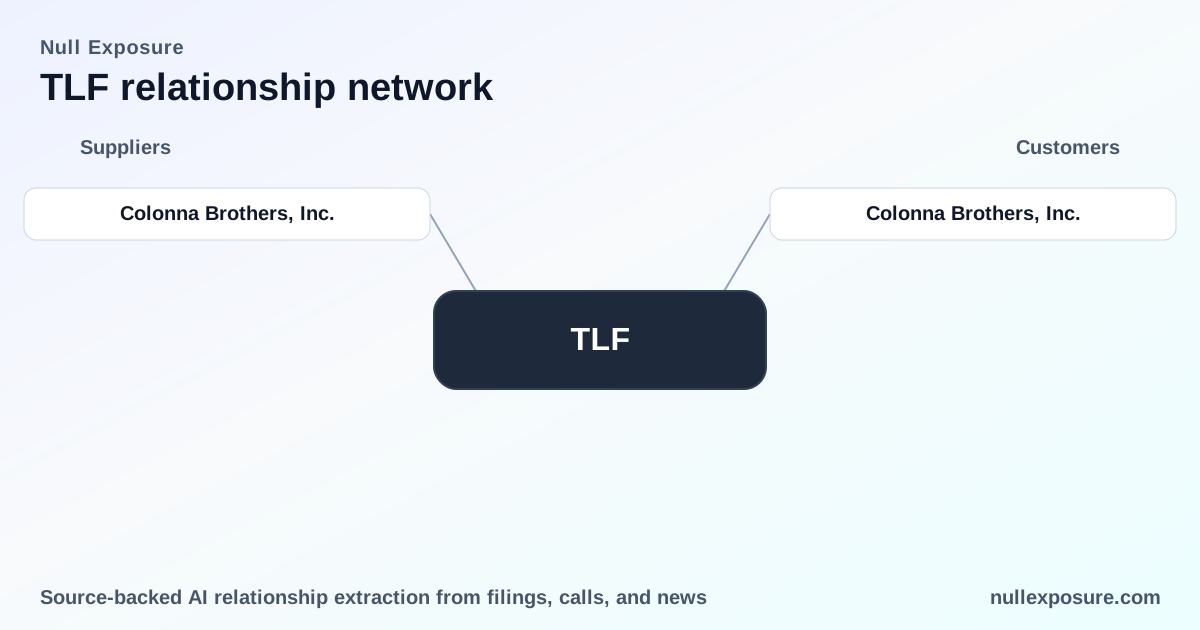
Colonna Brothers, Inc. — Tandy Leather closed on the sale of its corporate headquarters facilities—including its primary distribution center and flagship retail store—to Colonna Brothers in March 2026, converting property into cash and creating a landlord–tenant relationship that is immediately relevant to operations and logistics continuity (CityBiz, March 10, 2026).
Investment implications and actionables
- Operational risk elevated where real estate becomes third-party controlled. Investors should request or review the lease terms with Colonna Brothers for duration, renewal rights, and landlord obligations tied to distribution continuity.
- Supplier diversification is a strength, but logistics concentration is a single point of failure. Stress-test the company’s contingency plans for distribution disruption and the flexibility of third-party transportation agreements.
- Real estate monetization is a liquidity lever that reduces capex but introduces counterparty exposure. For a company with limited market cap and tight margins, this trade-off is deliberate and should be monitored against cash flow and covenant metrics.
For ongoing monitoring of TLF’s supplier relationships, lease exposures, and counterparty signals, visit https://nullexposure.com/.
Bold, focused due diligence on landlord agreements and distribution contingency planning will determine whether this transaction is a strategic improvement in capital allocation or a shift of material operational risk to an external counterparty.