XPDB supplier review: governance vendor shows up where votes matter
XPDB operates as a special-purpose acquisition vehicle focused on power and digital infrastructure roll-ups, monetizing through deal completion economics—transaction fees, sponsor promote, and post-combination equity upside tied to successful mergers. The company’s supplier footprint in the public record is narrowly focused on governance and transaction support for the de-SPAC process; that pattern concentrates spend and operational dependency into a small set of specialist providers rather than into broad, recurring vendor relationships. For a fast read on supplier risk and transactional dependencies, see https://nullexposure.com/.
What the supplier picture looks like for investors
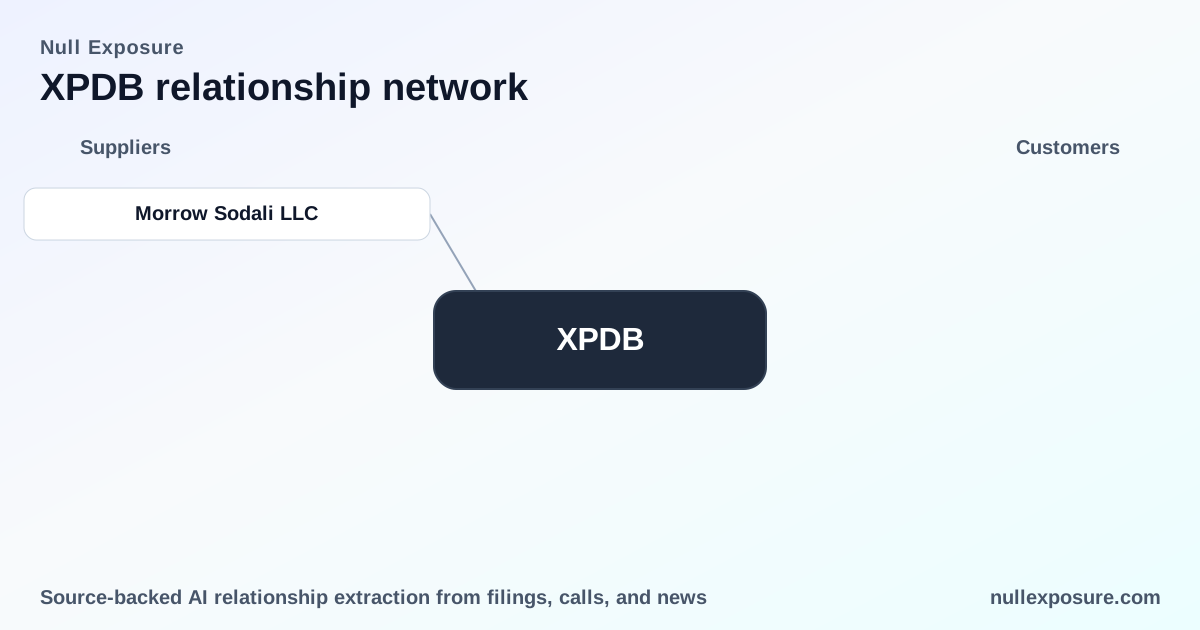
XPDB’s disclosed supplier relationships in the available record are compact: the only named supplier is a proxy solicitor supporting shareholder outreach during the business-combination process. That concentration is not unusual for SPAC-stage entities—governance and communications vendors shoulder disproportionate importance during the vote window, then step back after closing.
Key business-model drivers and related supplier characteristics:
- Event-driven contracting posture: suppliers are engaged to support a discrete corporate event (proxy solicitation, investor outreach, financing commitments).
- High short-term criticality: services like proxy solicitation are operationally critical during the vote timeline even if they are not long-term hooks.
- Low supplier breadth but concentrated exposure: few vendors, but each can be material to achieving the transaction timetable.
- Mature vendor service class: proxy solicitation is a standardized, well-understood service with established providers and market norms.
For deeper context on supplier and governance implications, visit https://nullexposure.com/.
Supplier relationships: Morrow Sodali LLC
According to a PR Newswire release dated March 10, 2026, Morrow Sodali LLC is identified as XPDB’s proxy solicitor, with contact instructions provided for shareholders seeking assistance with proxy matters; the mention appears in the company’s transaction communications related to private capital commitments for the proposed combination. (PR Newswire, March 10, 2026: https://www.prnewswire.com/news-releases/power--digital-infrastructure-acquisition-ii-corp-xpdb-and-montana-technologies-exceed-50-million-in-private-capital-commitments-led-by-carrier-and-rice-investment-group-expected-to-satisfy-minimum-cash-condition-and-clears-302078516.html)
Morrow Sodali’s role is straightforward: manage shareholder outreach, solicitation logistics, and voting support during the shareholder approval process. The engagement is a standard governance requirement in de-SPAC transactions and is built around compliance, timeliness, and investor communications. (PR Newswire, March 10, 2026)
What that single-supplier signal means for investors
The explicit naming of a proxy solicitor conveys three practical investor takeaways:
- Governance readiness: XPDB has contracted experienced counsel for the vote process, indicating the company has budgeted for and prioritized shareholder communications in its transaction plan.
- Event risk concentration: because proxy solicitation is essential to consummating the business combination, vendor performance or disputes during the vote window translate directly into timeline and execution risk.
- Supplier substitutability: proxy solicitation is a standardized service with multiple established competitors, so supplier lock-in risk is limited once a vote schedule is set.
These points underline that supplier risk at this stage is concentrated on execution risk around governance milestones rather than on large-scale operational supply chains.
Operational constraints and disclosure posture
The data provided contains no supplier-level constraints or contractual excerpts. That absence is itself a signal at the company level: there are no disclosed supplier constraints in the record we reviewed. In other words, the public filing and press communication do not include restrictive covenants, exclusivity clauses, or long-term dependency language tied to named suppliers.
From an investor diligence perspective, that company-level signal implies:
- Contracting posture is transactional and time-bound, consistent with SPAC behavior: vendors are engaged for a discrete transaction rather than to support an extended operating cycle.
- Concentration is structural but finite; a small number of specialist suppliers are mission-critical across a narrow timeframe.
- Maturity is procedural: suppliers like proxy solicitors provide standardized services with known deliverables, limiting operational ambiguity.
Mid-deal governance performance is the critical vector: watch vendor responsiveness, filing timeliness, and shareholder vote outcomes more than long-term supplier invoices. For a full supplier-risk playbook, consult https://nullexposure.com/.
Investment implications and due-diligence checklist
Investors and operators evaluating XPDB relationships should prioritize operational red flags tied to the transaction timeline:
- Confirm the scope and termination terms of the proxy solicitation engagement and whether contingency plans exist if servicing issues arise.
- Verify private capital commitments and their conditionality; the PR release referenced commitments led by Carrier and Rice Investment Group that are expected to satisfy the minimum cash condition, which is directly relevant to closing certainty (PR Newswire, March 10, 2026).
- Assess the company’s disclosure practices: absence of supplier constraints in public records requires direct questioning in diligence about any undisclosed vendor terms that could affect the pro forma balance sheet or governance outcomes.
Key checklist items in plain terms:
- Ask for the proxy solicitor engagement letter and timeline.
- Request evidence that private placement commitments are funded and unconditional or understand their triggers.
- Confirm alternative providers or contingency plans for any single critical supplier.
Final read: concentrated but conventional supplier risk
XPDB’s supplier footprint in the public record is narrowly focused and governance-oriented—one named provider, Morrow Sodali LLC, serving as proxy solicitor for the shareholder vote—and that concentration carries outsized influence over near-term execution even though the supplier class is commoditized and replaceable. The absence of disclosed supplier constraints is a company-level data point that points to a transactional contracting posture and standard SPAC supplier dynamics rather than long-term vendor entanglement.
For practitioners and investors who want structured supplier intelligence and governance impact analysis, start your next diligence step at https://nullexposure.com/.