XTL Biopharmaceuticals (XTLB): Acquisition-led supplier posture with high concentration risk
XTL Biopharmaceuticals Ltd operates as an acquisition-centric early-stage biopharma: it acquires product candidates and small technology holdings and seeks to develop or commercialize them for autoimmune and related indications. The company monetizes through asset acquisitions, licensing and downstream commercialization, supported by periodic private placements rather than predictable product sales, and it finances growth with small equity raises tied to discrete transactions. Learn more about how NullExposure profiles supplier relationships at https://nullexposure.com/.
Why the recent NeuroNOS move changes the supplier map
XTLB’s announced effort to acquire an 85% stake in NeuroNOS Ltd from Beyond Air is a strategic pivot from pure in-house R&D toward growth-by-acquisition. This transaction is transactional in nature rather than an ongoing supply contract, meaning supplier relationships for XTLB are likely to be episodic, concentrated and tied to specific M&A outcomes rather than long-term vendor agreements. That contracting posture increases operational leverage when deals succeed and amplifies downside if integration or fundraising stalls.
If you evaluate counterparty exposures, see how NullExposure surfaces these linkages: https://nullexposure.com/.
The complete supplier/transaction relationships you need to know
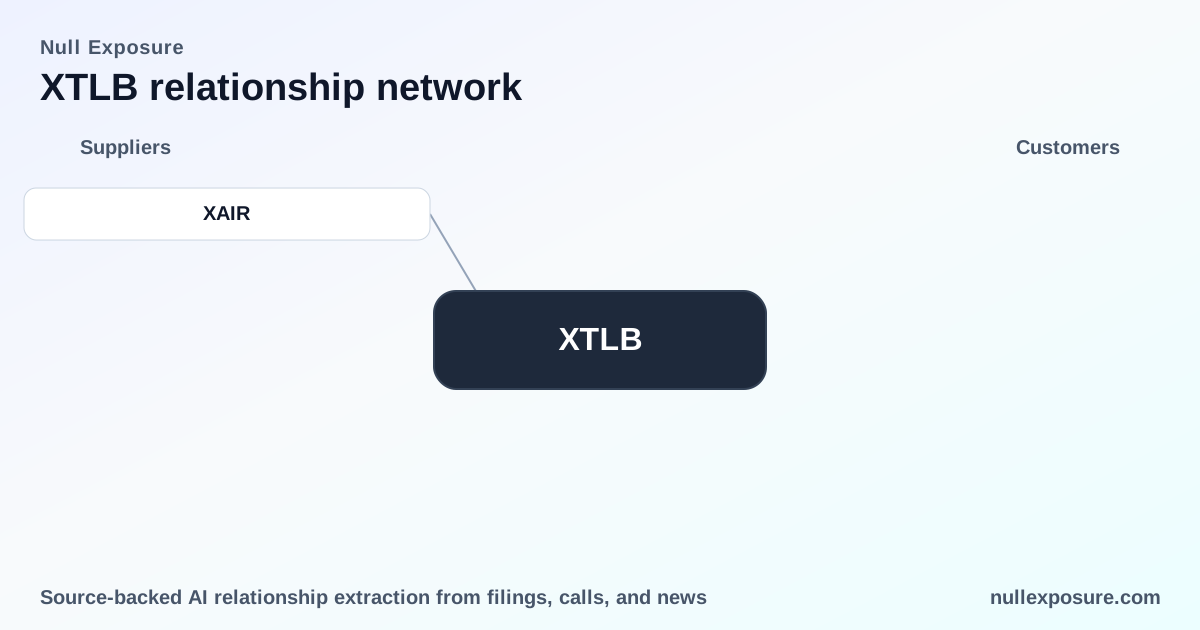
Beyond Air Inc (XAIR)
XTLB executed a Binding Letter of Intent and is working to close the purchase of 85% of NeuroNOS Ltd from Beyond Air, with a shareholders meeting scheduled to approve a private placement of up to US$2.0 million to support the deal and related corporate actions. This acquisition is documented in XTLB’s Form 6‑K disclosure and reported by multiple outlets, including local coverage via Manila Times/GlobeNewswire (reporting on the company’s January 13, 2026 filing and subsequent meeting notice) and transaction-focused write-ups on TradingView and QuiverQuant (January–March 2026 reporting).
Sources: Manila Times / GlobeNewswire coverage of XTLB’s 6‑K and shareholder meeting (Jan 2026); TradingView market notice on the announced sale (Jan 13, 2026); QuiverQuant news aggregation (Mar 2026).
What this one-deal relationship implies for operators and investors
- Concentration risk is material. A single, material acquisition that changes ownership of a product or operating unit means operational exposure is highly concentrated in a few counterparties and discrete closing conditions. For XTLB, supplier-like dependency on third-party assets (NeuroNOS) creates a binary outcome for near-term strategic progress.
- Contracting posture is opportunistic and deal-driven. XTLB uses Binding LOIs and private placements to fund acquisitions, reflecting an opportunistic, transaction-based approach rather than long-term procurement pipelines. Expect short negotiation cycles and financing-centric milestones to dominate supplier terms.
- Criticality versus maturity mismatch. The assets XTLB acquires can be critical to future revenue but are currently immature in terms of commercial traction—so counterparty performance is critical, but the company’s ability to extract value is early-stage.
- Integration and funding are the real supply risks. Supplier-performance risk for XTLB is less about manufacturing continuity and more about successful integration, regulatory progress, and the company’s ability to finance next-stage development after acquisition.
Financial and corporate signals that shape supplier negotiations
Use these company-level signals to interpret supplier bargaining power and contract structuring for XTLB:
- Very small market capitalization and limited revenue run-rate. Market cap is roughly US$5.9 million with TTM revenue of about US$0.97 million and negative EBITDA of roughly US$1.97 million, signaling constrained liquidity and tight bargaining room. These figures justify shorter, milestone-based supplier contracts and equity-contingent payment structures.
- High insider ownership and low institutional ownership. Insiders hold a substantial percentage of equity while institutions are minimally represented, which typically produces centralized decision-making and quicker approvals for acquisitions, but can reduce covenant-heavy protections that outside suppliers normally require.
- Early-stage financial profile. Negative margins, negative EPS and limited gross profit suggest supplier contracts will favor contingent payments, earn-outs or escrow arrangements to shift development risk back to counterparties where possible.
- Analyst data is sparse. No broad analyst coverage is publicly recorded; the lone published target price is an outlier relative to current market capitalization and must be treated as directional rather than definitive.
These signals indicate XTLB structures supplier and counterparty agreements to preserve cash and to align payments with milestone delivery.
Deal-specific operational considerations you should assess
- Confirm closing conditions and any escrow or earn‑out language tied to the NeuroNOS acquisition; financing-linked closings are the most common failure point in micro-cap M&A.
- Review whether the private placement tied to the shareholders meeting is conditional on the transaction and whether proceeds are sufficient to fund integration and near-term development.
- Evaluate any IP, license, or manufacturing handover timelines that could create gaps in continuity if Beyond Air’s operational role changes post-sale.
Closing assessment and practical next steps
XTLB is a classic early-stage acquirer: strategic upside concentrated in single assets, financed by small raises and governed by opportunistic contracting. For investors and operators assessing supplier relationships, the combination of limited capital, high insider control, and transaction-driven activity elevates counterparty risk and makes contract structure—escrow, milestones, and earn-outs—decisive.
If you track these deal-driven supplier relationships, get continuous visibility on filings and market reporting through our platform: https://nullexposure.com/.
Recommended immediate actions:
- Validate the NeuroNOS closing timeline and the exact terms of the private placement tied to the February shareholders meeting as disclosed in XTLB’s Form 6‑K.
- Seek confirmation of any transitional services agreements or manufacturing commitments from Beyond Air that would affect short-term continuity.
- Structure counterparties to require milestone-linked payments and protective covenants given XTLB’s constrained balance sheet.
For a consistent view of supplier exposure and M&A-driven counterparty risk across small-cap biotechs, explore NullExposure’s supplier profiles at https://nullexposure.com/.
Bold takeaway: XTLB’s supplier landscape is dominated by deal-based counterparty relationships, where success hinges on closing, funding and post‑deal integration rather than long-term supply agreements — structure your contracts accordingly.